
How To Decompress Air Compressor?
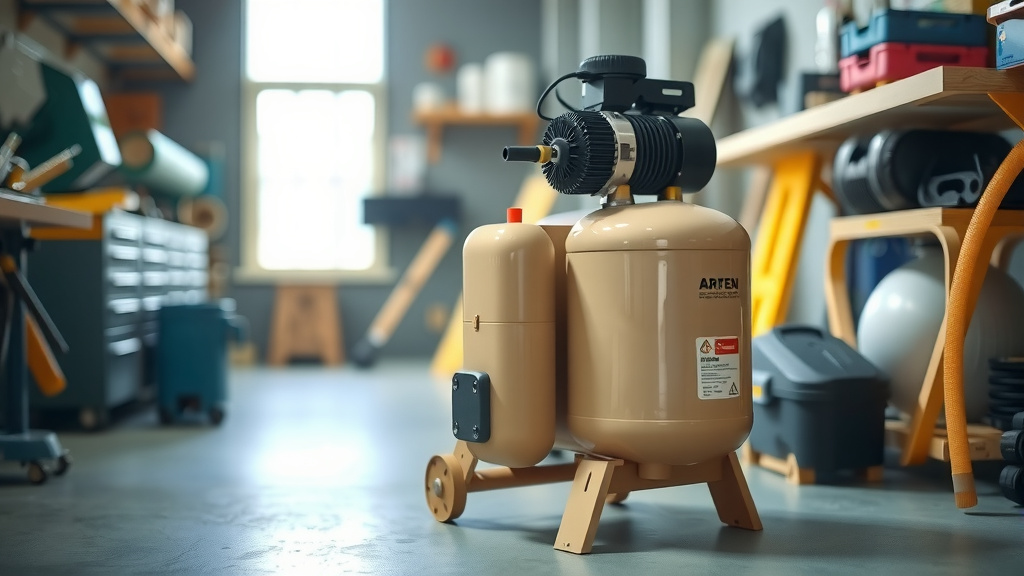
To decompress your air compressor, first unplug it from its power source and remove any connected air tools. Then, slowly open the drain valve at the bottom of the tank to release the stored air safely.
This process safely removes pressurized air, preventing accidents and helping to maintain your equipment. Always ensure the compressor is completely depressurized before performing any maintenance or moving it.
- Quickly decompress your air compressor by unplugging it and opening the tank drain valve.
- Depressurizing is vital for safety, preventing accidents, and extending your compressor’s life.
- Always disconnect power and tools before you begin to release air from the tank.
- Regular decompression helps prevent moisture buildup, which can cause rust and damage.
- If air doesn’t release, check for blockages or consider professional help for repairs.
How To Decompress Air Compressor?
Decompressing an air compressor involves safely releasing all the pressurized air from its tank. This step is essential for your safety and the longevity of your equipment.
You simply need to disconnect the power, detach your air tools, and then open the drain valve located at the bottom of the air tank.
Why Decompress Your Air Compressor?
Imagine a soda can. If you shake it and then pop it open, what happens? A messy, uncontrolled burst, right? An air compressor, while much more powerful, operates on a similar principle of stored pressure. Decompressing it safely prevents that kind of uncontrolled release, making it a critical safety measure.
We found that proper decompression also plays a big role in maintenance and storage. It keeps your unit running smoothly for years, saving you money and frustration.
Safety First: Your Most Important Step
Think of it like putting on your seatbelt before driving. It is non-negotiable. Decompressing your compressor eliminates the risk of accidental starts or bursts of air while you are working near it. Many experts say that removing stored energy is the number one safety rule for any machine (OSHA guidelines).
You are not just releasing air; you are ensuring that your workspace remains secure for everyone around you.
Understanding Your Compressor’s Components
Before you jump in, it helps to know your compressor a little better. You have a tank, which holds the air, and then a few key valves. Knowing these parts makes the whole process much clearer for you.
We will guide you through the most important pieces for safe decompression.
The Drain Valve: Your Primary Tool
This little valve is usually found at the very bottom of your air tank. It looks a bit like a spigot or a petcock. Its job is to let out both air and any accumulated moisture. Think of it as the compressor’s relief valve for water and pressure.
You will use this valve the most often to get rid of unwanted pressure and moisture.
The Pressure Relief Valve: An Essential Safety Feature
Every air compressor has a pressure relief valve, often a small ring or lever. It is a safety device, designed to automatically open if the tank pressure gets too high. While it is not your primary decompression tool, you can also use it to manually release air if needed, but usually after the drain valve.
This valve acts as a final safeguard, protecting the tank from dangerous over-pressurization.
Step-by-Step Guide to Decompression
Ready to get started? We have broken down the process into simple, easy-to-follow steps. You will find this task quick and safe once you get the hang of it.
Just follow along, and you will decompress like a pro.
Here is a helpful checklist to guide you through:
- Unplug the compressor from its power source.
- Disconnect all air hoses and tools.
- Put on your safety glasses.
- Locate the tank drain valve.
- Slowly open the drain valve.
- Wait until all air and moisture are released.
- Close the drain valve once pressure is at zero.
Step 1: Disconnect Power
First things first, unplug your air compressor from the wall outlet. This step is absolutely non-negotiable. You want to make sure there is no chance of it turning on while you are working near it.
If your compressor has a main switch, switch it off first, then pull the plug.
Step 2: Release Air from Tools
If you have any air tools or hoses connected, remove them. Some tools might still hold a little residual pressure. Releasing this pressure prevents accidental discharge when you detach them. It is just another layer of protection for your hands and surroundings.
A quick trigger pull on a spray gun or wrench can often release this remaining air.
Step 3: Open the Drain Valve
Now, find the drain valve at the very bottom of your tank. Place a small bucket or rag underneath it to catch any moisture that comes out. Slowly turn the valve counter-clockwise to open it. You will hear a hiss as the pressurized air begins to escape.
Allow all the air to escape completely. The pressure gauge should drop to zero.
| Tank Size (Gallons) | Approx. Release Time (Minutes) | Key Action |
|---|---|---|
| 1-5 | 1-2 | Open drain valve, listen for hiss |
| 6-20 | 2-5 | Watch pressure gauge drop |
| 21-60 | 5-10+ | Ensure all moisture is out |
Step 4: Use the Pressure Relief Valve (If Necessary)
If for some reason the drain valve does not fully release the pressure, or if you need to release it faster in an emergency, you can gently pull the ring on the pressure relief valve. This will rapidly exhaust air from the tank. Remember, this is usually a secondary method. You are using this as an extra measure, not the primary one.
Release the ring once you hear the air rushing out, then re-engage the drain valve.
Step 5: Verify Zero Pressure
Once the air stops hissing and the pressure gauge reads zero, you are good to go. Double-check that gauge. It is your ultimate confirmation that the tank is empty. You have now safely and successfully decompressed your air compressor. Your machine is safe to handle or store.
Close the drain valve firmly once the pressure is fully released.
Common Mistakes to Avoid
Even though decompressing seems simple, it is easy to overlook small details. Skipping steps can lead to safety hazards or even damage to your machine. You want to make sure you are doing this right every single time.
Let’s look at what to steer clear of.
Don’t Rush the Process
Patience is a virtue, especially with pressurized equipment. Trying to rush the decompression might tempt you to pull the pressure relief valve first, or not wait for the tank to fully empty. Take your time; it only takes a few minutes. You are ensuring safety, not winning a race.
Waiting for the gauge to hit zero is a small but important step.
Always Wear Safety Gear
Though less dramatic than a sudden burst, escaping air can still kick up debris or cause minor injuries if you are too close. Wearing safety glasses and work gloves is a simple precaution. Many experts recommend eye protection for all shop tasks.
You are protecting your eyes from dust or rust particles that might escape with the air.
When to Decompress?
So, when exactly should you be doing this? It is not just a random chore. There are specific times when decompressing your air compressor is really beneficial. You will keep your unit in top shape and ready for its next job.
It is all about smart equipment management.
- After every use, especially for longer periods.
- Before storing the compressor for any length of time.
- Prior to any maintenance or inspection of the unit.
- When moving the compressor to a new location.
The Benefits of Proper Decompression
You might think it is just about safety, but there are other great reasons to regularly decompress your air compressor. It is like giving your machine a little spa treatment after a hard day’s work. You are making sure it feels good and works well.
These benefits add up to a happier, longer-lasting compressor.
Protecting Your Investment
Regular decompression prevents pressure from sitting in the tank for extended periods. This continuous stress can weaken the tank over time. By releasing the pressure, you are reducing wear and tear. You are effectively extending the working life of your valuable equipment.
This simple act can delay the need for costly repairs or even a full replacement.
Preventing Rust and Corrosion
Air contains moisture, and when compressed, that moisture condenses in the tank. If you do not decompress and drain your tank, this water sits there, causing rust. Rust is the enemy of any metal tank. It can lead to leaks and even catastrophic failure. You are essentially flushing out a harmful build-up.
Many guidelines point to draining the tank after every use as a good first step (NFPA guidelines).
What If Your Compressor Won’t Decompress?
Occasionally, you might find that air does not release as it should, or the gauge stays stubbornly high. Do not panic! This can happen, and there are a few things you can check. You might have a minor issue that is easy to fix.
Let’s troubleshoot some common decompression hiccups.
Checking for Blockages
Sometimes, the drain valve can get clogged with rust particles or sediment, especially if it is not regularly drained. Gently try opening and closing the valve a few times. If it still does not work, you might need to carefully remove the valve (after ensuring there is no pressure, if possible) and clean it. You are looking for anything that might be obstructing the airflow.
Always ensure the compressor is off and unplugged before attempting to clean any parts.
When to Call a Professional
If you have tried the basic steps and the compressor still will not decompress, or if you suspect a more serious issue like a faulty pressure switch or a tank integrity problem, it is time to call in the experts. Tampering with a high-pressure system without proper knowledge can be dangerous. You are relying on their expertise for a safe resolution.
A qualified technician can diagnose and fix complex problems safely.
Conclusion
Decompressing your air compressor is a straightforward yet incredibly important task. It is a fundamental practice that protects you from potential hazards and extends the lifespan of your equipment. By following these simple steps—disconnecting power, removing tools, and properly using the drain valve—you ensure a safer workshop and a healthier compressor.
Remember, prevention is always better than repair. Make regular decompression a part of your routine, and your air compressor will serve you reliably for many years to come.
Why is it dangerous to leave an air compressor pressurized?
Leaving an air compressor pressurized can be dangerous because it keeps the system under constant stress, increasing the risk of mechanical failure over time. A sudden hose rupture or tank failure can cause serious injury due to the forceful release of air and debris. Stored pressure also poses a risk if someone accidentally activates the compressor or its connected tools.
Can I just open the pressure relief valve to decompress my compressor?
While you *can* use the pressure relief valve to decompress, it’s generally not the primary method for routine depressurization. The drain valve is designed for regular use to release both air and accumulated moisture. The pressure relief valve is mainly a safety device to prevent over-pressurization, and frequent use as a primary decompression method can potentially wear it out faster or compromise its sealing ability.
How often should I decompress my air compressor?
Many experts recommend decompressing and draining your air compressor tank after every use, especially if you have used it for an extended period or if you live in a humid environment. At a minimum, you should do it before any maintenance, before storing it for more than a day, or when moving it. Regular draining is key to preventing moisture buildup and rust inside the tank.
What is the difference between bleeding and decompressing an air compressor?
In the context of air compressors, “bleeding” typically refers to releasing a small amount of air or moisture, often from a specific line or filter. “Decompressing” refers to the complete process of releasing *all* the stored pressurized air from the main tank until the pressure gauge reads zero. While bleeding can be part of maintenance, decompressing ensures the entire system is depressurized for safety.
Will decompressing my air compressor save electricity?
Yes, decompressing your air compressor can indirectly save electricity. When you decompress and drain the tank, you remove moisture. This moisture, if left in the tank, can contribute to rust and corrosion, making the compressor work harder to maintain pressure over time. A well-maintained, rust-free tank operates more efficiently, potentially reducing the energy needed for future compression cycles.
