
How To Create Suction With Air Compressor?
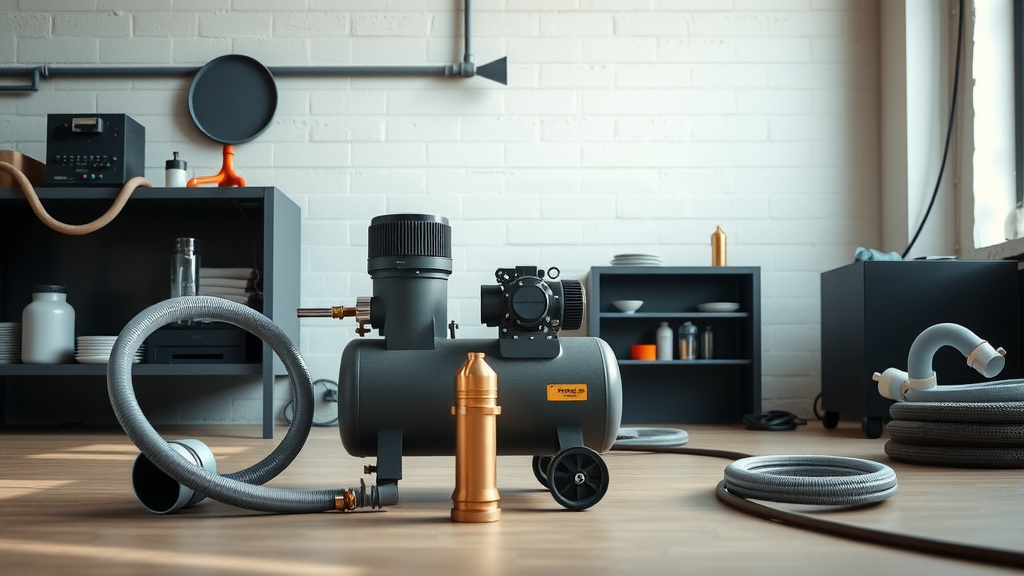
Air compressors primarily create positive pressure, pushing air out. To create suction with an air compressor, you typically need to use an accessory that leverages the Venturi effect.
This means an air compressor doesn’t directly pull air in; instead, it powers a specialized device, like a Venturi vacuum generator, to produce the desired suction.
- You cannot directly create suction with an air compressor; it’s a pressure machine.
- You need a Venturi vacuum generator or eductor to convert compressed air into suction.
- These devices use a narrow passage to accelerate air, creating a low-pressure zone.
- This suction is useful for tasks like fluid transfer, cleaning, or vacuum clamping.
- Always choose the right-sized generator and follow safety guidelines for best results.
How To Create Suction With Air Compressor?
You’re probably wondering how to turn that powerful blast of air into a useful pull. Your air compressor is a pressure-generating machine; it pushes air out. But don’t worry, you can definitely use it to create suction, just not directly.
Understanding Air Compressors and Suction
Think of your air compressor as a muscular friend. It can push heavy things, like compressed air. However, it’s not designed to directly pull things in. Creating suction means creating a vacuum or a zone of lower air pressure.
So, how do we bridge this gap? We need a clever tool to convert that powerful push into a pull. It’s all about using the energy from the compressed air creatively.
What is the Venturi Effect?
This is where science steps in to help us out. The Venturi effect is the key principle at play. We found that when a fluid, like compressed air, speeds up as it passes through a constricted section, its static pressure drops (NASA). Imagine water flowing quickly through a narrow pipe.
This drop in pressure creates a vacuum. It’s like a tiny whirlpool pulling things in. Many experts say this effect is incredibly useful for creating suction from a pressure source.
Tools That Use Your Compressor for Suction
So, your compressor supplies the power, and these tools do the magic. They take your compressed air and turn it into that helpful suction. It’s a smart way to expand your compressor’s usefulness.
Venturi Vacuum Generators (Eductors)
These are the champions of suction creation. You connect your air hose to one end, and compressed air rushes through. Inside, a specially designed nozzle uses the Venturi effect to create a powerful vacuum.
Eductors come in various sizes for different tasks. We found that choosing the right size is important for efficiency. They are quite simple devices, often with no moving parts.
Vacuum Transfer Systems
Imagine needing to move liquids or fine powders without a mess. These systems use a Venturi generator to create a vacuum at one end of a tube. This pulls materials into a collection container.
They are fantastic for tasks like draining fluids from tanks or collecting sawdust. Many workshops use these for clean and efficient transfers.
Air-Powered Shop Vacuums
Yes, you can even get shop vacuums that run purely on compressed air! These devices incorporate a Venturi system. They suck up debris and collect it in a standard vacuum canister.
These are great for wet or dry cleanup, especially in areas where electrical power might be risky. We often see them used for spills and workshop cleanup.
Practical Applications for Air Compressor Suction
Once you understand how to create suction, a whole new world of possibilities opens up. It’s not just about blowing air anymore. You can now use your compressor for a wider range of jobs.
Fluid Transfer
Need to drain old oil from an engine or empty a water tank? A Venturi-powered fluid transfer system can make this job much easier. It creates the suction needed to pull the liquid out.
This method is often quicker and cleaner than traditional draining. It reduces spills and makes maintenance much simpler.
Debris Cleanup and Collection
Small spills, metal shavings, or wood dust can be a pain to clean. An air-powered vacuum attachment provides a quick solution. It efficiently sucks up unwanted materials.
This is especially handy in workshops where fine particles can be problematic. We found it’s excellent for reaching tight spaces.
Holding and Clamping
Did you know suction can hold things in place? Vacuum clamps use an air-powered Venturi system to create a strong hold. This is great for woodworking or securing oddly shaped items.
It provides a secure, non-damaging grip. Many experts suggest this for delicate materials where mechanical clamps might leave marks.
Setting Up Your Suction System
Getting your system ready is straightforward. A few key considerations will ensure you have the right equipment and a smooth operation. It’s all about matching the tools to the task.
Choosing the Right Compressor
Your compressor needs to supply enough CFM (cubic feet per minute) and PSI (pounds per square inch) for the Venturi device. Small generators need less, large ones need more. Always check the requirements of your specific suction tool.
An undersized compressor will lead to weak suction. Research often connects sufficient airflow with effective Venturi performance.
Essential Attachments and Hoses
You’ll need a durable air hose that can handle your compressor’s pressure. Quick-connect fittings make attaching and detaching tools a breeze. A good air filter and regulator are also wise investments.
These accessories protect your tools and ensure a consistent air supply. Many guidelines point to clean, regulated air for optimal tool life.
| Suction Method | Air Compressor Requirement | Primary Use Case |
|---|---|---|
| Venturi Vacuum Generator | Moderate CFM, standard PSI | General suction, vacuum forming |
| Vacuum Transfer System | Higher CFM, consistent PSI | Fluid/powder transfer, material handling |
| Air-Powered Shop Vacuum | Higher CFM, standard PSI | Workshop cleanup, wet/dry debris |
Important Safety Considerations
Working with compressed air always requires attention to safety. Suction systems introduce their own set of precautions. Your safety should always be your top priority.
Eye and Ear Protection
Compressed air can propel debris at high speeds. Always wear safety glasses or goggles. Air compressors can also be noisy, so ear protection is essential for prolonged use (OSHA).
Pressure Management
Ensure your Venturi device is rated for your compressor’s pressure. An air regulator helps you maintain the correct operating pressure. Never exceed the recommended limits.
Material Compatibility
When transferring liquids, ensure your hoses and containers are compatible with the material. Some chemicals can degrade standard plastics or rubber. Always confirm the materials are safe to use.
Here’s a quick checklist to get your suction system running safely and effectively:
- Verify your compressor’s CFM and PSI meet tool requirements.
- Connect the Venturi generator securely to your air hose.
- Attach the suction hose firmly to the generator’s intake.
- Ensure all connections are tight to prevent air leaks.
- Wear appropriate safety gear like eye and ear protection.
- Test the suction in a safe area before beginning your task.
Conclusion
While your air compressor doesn’t create suction directly, it’s a powerful engine for tools that do. By understanding the Venturi effect and using the right attachments, you can transform your compressor into a versatile suction device. From fluid transfer to workshop cleanup, the possibilities are wide-ranging. Always prioritize safety and ensure your equipment is correctly matched for the job. You’ll soon find your air compressor doing much more than just blowing air!
What is the main principle behind creating suction with an air compressor?
The main principle is the Venturi effect. Compressed air passes through a constricted nozzle, accelerating its flow. This speed increase causes a significant drop in static pressure, creating a vacuum or suction in the surrounding area.
Can I use any air compressor to create suction?
You can use most air compressors, but the effectiveness of the suction will depend on your compressor’s CFM (cubic feet per minute) and PSI (pounds per square inch) output matching the requirements of your Venturi vacuum generator. Larger or more demanding suction tasks will need a compressor with higher airflow.
Are there any attachments required to make an air compressor create suction?
Yes, you absolutely need specific attachments. The most common is a Venturi vacuum generator (also called an eductor or air amplifier). You connect your air compressor’s hose to this device, and it then produces the suction. Sometimes, air-powered shop vacuums also incorporate this technology.
What are common uses for air compressor-powered suction?
Common uses include transferring liquids like oil or coolants, cleaning up workshop debris such as sawdust or metal shavings, and even vacuum clamping for woodworking or holding parts in place during assembly. It’s a versatile capability for many tasks.
Is creating suction with an air compressor safe?
It can be very safe if you follow proper safety procedures. Always wear eye and ear protection. Ensure all connections are secure, and never exceed the maximum pressure ratings of your Venturi device or hoses. Be mindful of what materials you are attempting to suction, especially if they are hazardous.
