
How To Depressurize Air Compressor?
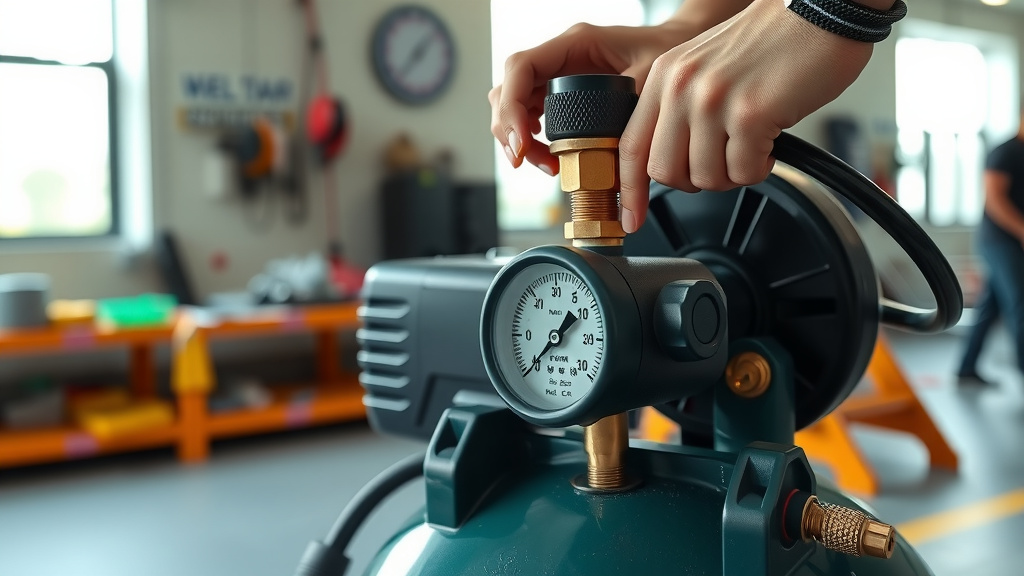
To depressurize an air compressor, first shut off the power supply, then slowly open the tank drain valve to safely release all stored compressed air. Always ensure all connected air tools are disconnected before starting this process.
This critical safety step helps prevent accidental start-ups and potential injury during maintenance or storage. Depressurizing also extends your compressor’s lifespan by reducing strain on components.
For a quick understanding of how to depressurize your air compressor, here’s a rapid rundown:
- Always disconnect power before doing anything else.
- Remove any hoses or tools attached to the compressor.
- Locate and slowly open the drain valve to let air escape.
- Wait for the pressure gauge to read zero before proceeding.
- Close the drain valve once all air is gone and the tank is empty.
How To Depressurize Air Compressor?
Depressurizing an air compressor involves safely removing all compressed air from its tank, a simple process that keeps you safe and your machine healthy.
You want to depressurize your air compressor for safety, right? It’s a smart move. Think of it like deflating a tire before you change it – it just makes everything safer and easier.
Why Depressurize Your Air Compressor?
Releasing air from your compressor is not just a suggestion; it’s a vital safety practice. A tank full of high-pressure air can be dangerous if mishandled.
Imagine working on a machine that could suddenly kick on or release a burst of air. It’s a serious risk, one we certainly want to avoid. Many experts say that removing pressure safeguards against unexpected movements (OSHA Guidelines).
Safety First: Preventing Accidents
An air compressor stores significant energy. Depressurizing it removes this stored energy, turning a potentially hazardous machine into a safe one for you to work around.
It’s like unloading a stapler before you clean it. You remove the potential for an unplanned “fire.” This simple action prevents accidental start-ups or sudden air discharges.
Protecting Your Equipment
Beyond safety, depressurizing helps your compressor last longer. Leaving air in the tank for long periods can strain its components.
This includes the tank itself, seals, and valves. Releasing the pressure helps to reduce wear and tear over time.
When Should You Depressurize?
There are specific times when depressurizing your air compressor is a must. Knowing these times keeps your operations smooth and secure.
You should depressurize your compressor every time you finish using it for the day. This simple habit adds to both safety and maintenance routines.
After Every Use
Many guidelines suggest depressurizing after each session. It’s similar to turning off the lights when you leave a room – a good habit to form.
This practice helps drain moisture from the tank, preventing rust and ensuring your compressor stays in good shape (Manufacturer Manuals).
Before Any Maintenance
Planning to inspect or repair your compressor? Then releasing all air is non-negotiable. Never try to fix anything on a pressurized system.
We found that attempting maintenance on a pressurized tank creates extreme hazards, including parts flying off or unexpected machine activation.
Your Step-by-Step Guide to Depressurizing
Ready to get started? Follow these steps, and you’ll have your air compressor depressurized in no time. It’s a straightforward process when done correctly.
Step 1: Shut Off the Power
This is the very first and most important step. Unplug your electric compressor or turn off the engine on a gas-powered unit.
Think of it as hitting the emergency stop button. You need to ensure no power can reach the motor. This prevents it from kicking on while you are working.
Step 2: Disconnect Air Tools and Hoses
Remove any air hoses or tools attached to the compressor’s air outlets. This ensures there are no obstructions to air release.
Sometimes, a tool might hold a little pressure, creating a false sense of security. Removing them ensures the system is truly open.
Step 3: Locate the Tank Drain Valve
The drain valve is usually found at the very bottom of the air tank. It often looks like a small petcock or a ball valve.
This valve is designed to release both air and accumulated moisture. Many models have a simple quarter-turn valve or a small knob.
Step 4: Slowly Open the Drain Valve
Turn the valve counter-clockwise or flip the lever to open it. You’ll hear a distinct hissing sound as the air escapes.
Do this slowly. A rapid opening can cause a sudden, loud burst, which can be startling and kick up debris.
Step 5: Monitor the Pressure Gauge
Keep an eye on the pressure gauge. You’ll see the needle steadily drop as the air leaves the tank. Be patient; it takes a few moments.
Wait until the gauge reads zero PSI (pounds per square inch). This confirms that all internal pressure is gone.
Step 6: Close the Drain Valve
Once the gauge shows zero, close the drain valve completely. Turn it clockwise or flip the lever back to its closed position.
This step is important, as it seals the tank and prevents debris from entering. Now your compressor is depressurized and ready for safe handling.
Common Mistakes to Avoid
Even with simple tasks, mistakes can happen. Knowing what pitfalls to avoid can save you time and prevent issues.
Here’s a look at common errors people make when depressurizing air compressors, along with straightforward solutions:
| Mistake | Why It’s Risky | Your Solution |
|---|---|---|
| Forgetting to unplug | Compressor could restart unexpectedly. | Always disconnect power first. |
| Opening valve too fast | Loud noise, potential for debris. | Open the drain valve slowly and steadily. |
| Not waiting for zero PSI | Residual pressure remains, still dangerous. | Check the gauge; ensure it reads zero before stopping. |
| Leaving tools connected | Might hold pressure, cause confusion. | Remove all hoses and tools before depressurizing. |
Your Safety Checklist Before Any Air Compressor Work
Before you do anything with your air compressor, a quick check can make all the difference. Safety should always be your number one priority.
- Is the compressor unplugged or engine off?
- Are all air tools disconnected?
- Do you know where the drain valve is located?
- Is the area around the compressor clear of obstacles?
- Are you wearing appropriate safety gear, like eye protection?
What If Air Won’t Release?
Sometimes, a drain valve might be stuck or clogged. If you open the valve and no air comes out, don’t panic.
First, ensure the valve is truly open. If it is, and still no air, you might have a clog. With the compressor unplugged, try gently tapping the valve. If it’s still stuck, you might need to consult your owner’s manual for specific troubleshooting steps or consider professional help.
Remember Moisture Management!
As you depressurize, always remember to drain the accumulated moisture. This watery build-up is a natural byproduct of air compression.
Leaving water in the tank leads to rust and can damage your equipment over time. Depressurizing offers a perfect chance to perform this important task.
Conclusion
Depressurizing your air compressor is a straightforward process that is absolutely critical for both your safety and the longevity of your equipment. By simply following a few steps—turning off the power, disconnecting tools, and slowly opening the drain valve—you protect yourself from potential hazards and reduce wear on your machine.
Make this simple procedure a regular part of your compressor use. It’s a small action that makes a huge difference in creating a safe working environment and keeping your tools in top condition for years to come. Your future self (and your compressor) will appreciate it!
How often should I depressurize my air compressor?
You should depressurize your air compressor after every use and definitely before performing any maintenance or moving the unit. This routine helps prevent rust from moisture and ensures safety.
Can I leave air in my compressor tank overnight?
While technically possible, it’s not recommended to leave air in your compressor tank overnight or for extended periods. This can cause unnecessary strain on the tank and components, leading to faster wear and potential rust formation.
What happens if I don’t depressurize my air compressor?
Not depressurizing can lead to several problems: increased risk of accidental start-ups during maintenance, accelerated wear on the tank and seals due to constant pressure, and greater internal rust from condensation build-up.
Is it normal for water to come out when I depressurize?
Yes, it is completely normal for water, or condensation, to come out when you open the tank drain valve. Air compression naturally produces moisture, which settles at the bottom of the tank. Draining this water is an important part of maintenance.
What if my air compressor’s drain valve is stuck?
If your drain valve is stuck, first ensure the power is off. Then, you can try gently tapping the valve with a rubber mallet or wrench to loosen it. Avoid forcing it too hard, as this could cause damage. If it remains stuck, consulting a professional or your compressor’s manual for specific advice is best.
