
Can You Daisy Chain Air Compressors?
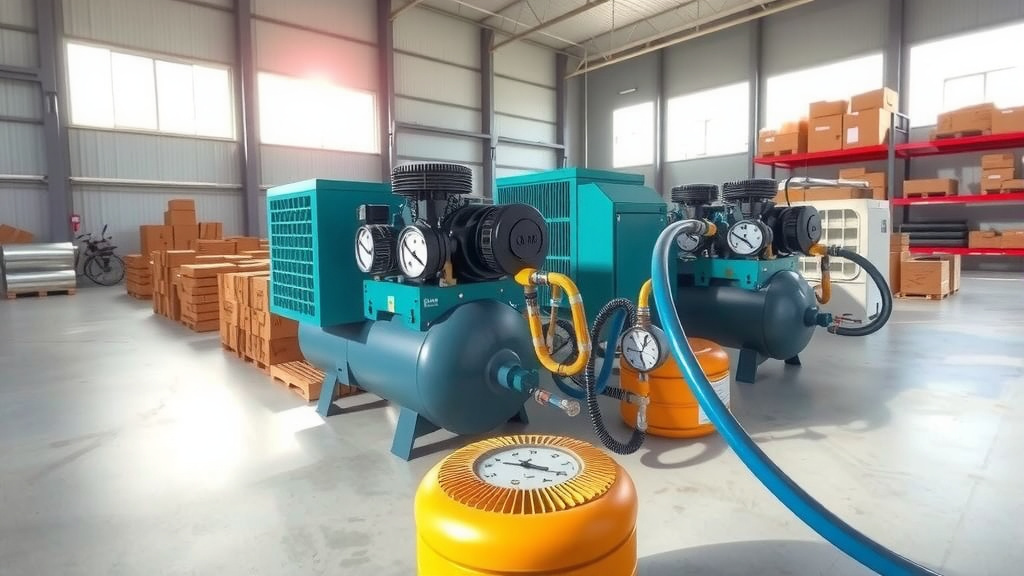
Generally, you should not daisy chain air compressors directly to increase power or capacity. It creates significant electrical, pressure, and mechanical risks that can damage equipment and cause safety hazards.
While you might connect certain air system accessories, directly linking multiple air compressors to operate as one unified unit is often unsafe and highly discouraged by manufacturers.
- Daisy chaining air compressors is usually a bad idea due to safety concerns.
- You face high risks of electrical overloads and dangerous pressure inconsistencies.
- Equipment damage and even fire hazards are real possibilities.
- Always consult your compressor’s manual for safe operation guidelines.
- Better solutions exist for needing more air, like upgrading or using auxiliary tanks.
Can You Daisy Chain Air Compressors?
The short answer is no, you generally should not daisy chain air compressors. This practice often leads to serious problems rather than a straightforward power boost.
You might think connecting them makes sense for more air, but the complexities involved make it a risky endeavor for your safety and equipment.
What Does “Daisy Chain” Even Mean Here?
When we talk about daisy chaining air compressors, we mean connecting two or more compressors to a single power source or pressure line, expecting them to work together. It’s like plugging multiple power strips into each other.
Your goal might be to combine their output for a larger air volume or higher pressure. However, this approach usually ignores fundamental operational differences.
The Allure of More Power
It’s tempting, isn’t it? You have a big project, and your single compressor just isn’t cutting it. Adding another one seems like an easy fix. We often see this desire to boost air output without a full equipment upgrade.
But chasing that extra power without understanding the underlying mechanics can quickly turn into a headache, or worse, a dangerous situation.
Why Daisy Chaining Air Compressors is Usually a Bad Idea
Connecting compressors directly brings a host of problems. Many experts and manufacturers strongly advise against it for several key reasons (OSHA guidelines often highlight equipment safety).
You’re not just adding air capacity; you’re also adding complex variables that can lead to system failures.
Electrical Overload Concerns
Every air compressor draws a significant amount of electricity. When you connect multiple units to the same circuit, you risk a severe electrical overload.
This can trip circuit breakers, damage wiring, or even start an electrical fire. Your home or shop’s wiring likely isn’t designed for such a combined draw.
Pressure Regulation Nightmares
Each compressor has its own pressure switch and regulator, set to kick on and off at specific pressures. When linked, these systems will fight each other.
One compressor might try to fill the tank while another tries to shut down, causing them to constantly short-cycle. This leads to inefficient operation and rapid wear and tear.
Tank Pressure Mismatch Dangers
Imagine two tanks trying to equalize pressure, but their compressors have different cut-in and cut-out points. This creates a chaotic environment where pressure fluctuates wildly.
Uneven pressure can harm your air tools and create dangerous conditions, especially if a tank is rated for a lower maximum pressure (Compressed Air & Gas Institute).
Synchronization Challenges
Getting two independent machines to work in perfect harmony is incredibly difficult. They won’t start or stop at the exact same time, leading to inconsistent air delivery.
This lack of synchronization can cause one compressor to overwork while the other idles, or even damage internal components as they struggle against each other.
The Risks Are Real: Safety First!
We can’t stress this enough: safety should always be your top priority. Messing with air compressor setups without proper knowledge and equipment can have serious consequences.
Protect yourself, your equipment, and anyone else in the vicinity by understanding and avoiding these dangers.
Fire Hazards and Circuit Breakers
An electrical overload from daisy chaining can cause wires to overheat. This presents a serious fire risk to your workshop or garage. At best, you’ll be constantly resetting tripped circuit breakers, which is disruptive and frustrating.
Always respect the electrical ratings of your circuits and equipment. Safety guidelines consistently warn against exceeding these limits.
Compressor Damage and Lifespan
The constant short-cycling and inconsistent load placed on your compressors will dramatically shorten their lifespan. Motors will burn out faster, pumps will wear down, and seals can fail.
You’ll end up needing expensive repairs or replacements much sooner than expected. It’s a quick way to destroy your investment.
Safer Ways to Get More Air (Alternatives)
If you need more air capacity, there are much better, safer, and more efficient methods. You don’t have to put your equipment or safety at risk to get the job done.
Consider these proven strategies that manufacturers and industry experts recommend.
Invest in a Larger Single Compressor
The most straightforward solution is to upgrade to a single, larger air compressor that meets your demands. A unit designed for higher CFM (cubic feet per minute) and tank capacity will deliver consistent performance.
This ensures proper electrical draw, stable pressure, and a longer operational life without the headaches of multiple units.
Using a Second, Separate Compressor Safely
If you have two compressors, you can use them independently. Run one for some tasks and the other for different ones. Or, if you need continuous high air flow, you can switch between them.
Just ensure they are on separate electrical circuits and are not physically connected in a “daisy chain” fashion. This allows them to operate as designed.
Consider a Rotary Screw Compressor for Constant Demand
For industrial applications or constant, high-volume air demands, a rotary screw compressor is an excellent choice. These units are designed for continuous operation and are far more efficient than piston compressors for sustained use.
While a larger initial investment, they offer unparalleled reliability and performance for demanding environments.
What You CAN Connect: Air System Components
While directly linking compressors is a no-go, you can safely connect other components to enhance your air system. These accessories work in conjunction with your compressor, not against it.
Understanding the difference is key to building an efficient and safe air setup.
Air Dryers and Filters
You can (and should) connect air dryers and filters downstream from your compressor. These devices remove moisture, oil, and particulates from your compressed air.
This improves air quality, protects your tools, and extends the life of your entire air system. They don’t affect pressure or electrical loads in a problematic way.
Auxiliary Air Tanks
Connecting an auxiliary air tank is a fantastic way to increase your system’s air storage capacity. It’s a passive reservoir that holds more air, allowing your compressor to run less frequently.
This is a safe and effective method to get a larger air reserve without overwhelming your compressor or electrical system. Always use tanks rated for your compressor’s maximum pressure (ASME certified tanks are standard).
Checklist for Expanding Your Air System Safely:
- Review your compressor’s instruction manual thoroughly.
- Assess your true CFM and pressure needs for your tools.
- Verify your electrical circuit’s capacity (amps).
- Consider adding an ASME-rated auxiliary air tank.
- Invest in a quality air dryer and filter system.
| Feature | Daisy Chaining (NOT Recommended) | Safer Alternatives (Recommended) |
|---|---|---|
| Electrical Load | High risk of overload, tripped breakers, fire hazard. | Managed and balanced, designed for specific circuits. |
| Pressure Stability | Chaotic fluctuations, inconsistent tool performance. | Consistent, regulated pressure for optimal tool function. |
| Equipment Lifespan | Significantly reduced due to short-cycling and stress. | Extended, as components operate within design parameters. |
| Complexity | High risk of malfunctions, difficult to troubleshoot. | Simple, reliable operation, easy maintenance. |
| Safety | Major safety concerns, potential for damage and injury. | High safety standards, reduced operational risks. |
Conclusion
While the idea of daisy chaining air compressors might seem like a clever shortcut to more power, the risks far outweigh any perceived benefits. We found that the electrical dangers, pressure regulation issues, and potential for equipment damage make it an unwise choice.
Instead, focus on safe, proven methods to expand your air capacity. Whether it’s upgrading to a larger compressor, adding an auxiliary tank, or installing air quality accessories, there are many reliable ways to meet your air demands without putting yourself or your equipment in peril. Always prioritize safety and consult your equipment manuals for proper usage guidelines.
Can I connect two air compressors to separate outlets but to the same air tank?
Yes, you can connect two air compressors to a single, appropriately rated air tank, provided they are plugged into separate electrical circuits. This setup allows each compressor to operate independently, filling the common tank. You must use check valves on each compressor’s output line to prevent air from back-feeding into the other compressor when it’s off. Ensure the tank is rated for the combined maximum pressure of the compressors and has a proper pressure relief valve.
Will adding an auxiliary air tank increase the pressure of my system?
No, an auxiliary air tank will not increase the pressure of your system. It only increases the storage volume of compressed air. Your compressor is still responsible for generating the pressure, and the auxiliary tank simply gives you a larger reserve of air at that same pressure. This means your compressor will cycle less often, potentially extending its life.
Is it safe to use a splitter to power two air compressors from one outlet?
Absolutely not. Using a splitter to power two air compressors from a single electrical outlet is extremely dangerous. Air compressors draw a lot of current, and combining their load on one outlet will almost certainly overload the circuit, leading to tripped breakers, overheating wires, and a significant risk of fire. Each compressor needs its own dedicated circuit or an outlet with sufficient amperage.
What is the best way to determine the correct size air compressor for my needs?
To determine the correct size, first list all the air tools you plan to use and find their CFM (cubic feet per minute) requirements at a specific PSI (pounds per square inch). Add up the CFM of the tools you expect to use simultaneously, then add about a 20-30% buffer for efficiency losses. This will give you a target CFM for your compressor at your desired pressure. Consider both continuous and intermittent tool usage.
Can different types or brands of air compressors be connected to a shared system?
While technically possible to connect different types or brands to a shared air tank (with proper check valves and electrical separation), it’s generally not recommended for optimal performance. Different compressors may have varying pressure cut-in/cut-out points and flow rates, which can lead to inefficiencies and one unit working harder than the other. For best results, it’s ideal to have two identical compressors if you are sharing a tank, or better yet, a single unit designed for your capacity needs.
