
Can You Leave An Air Compressor In A Hot Car?
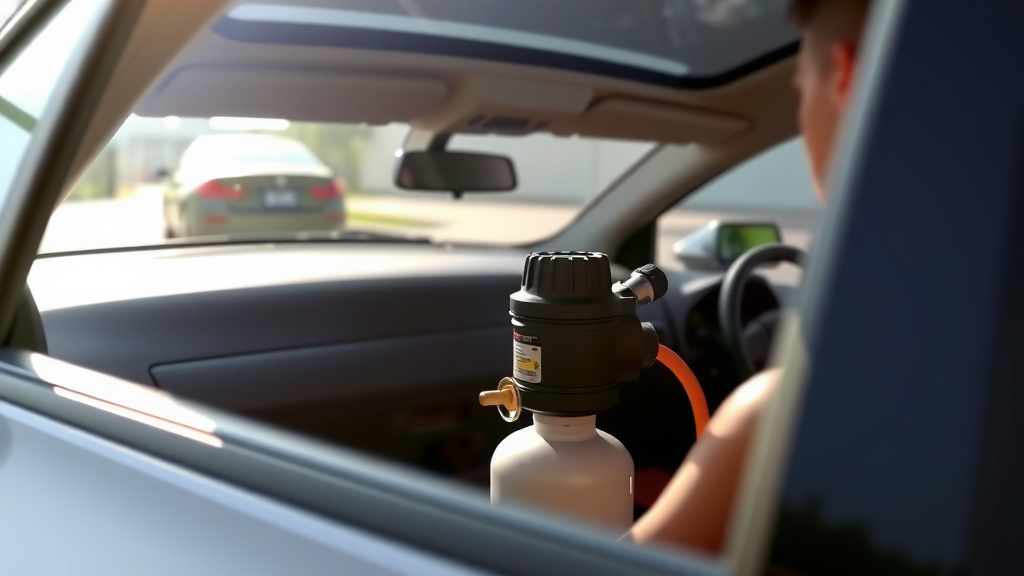
Leaving an air compressor in a hot car is generally not recommended due to potential safety hazards and damage to the unit’s components. High temperatures can cause pressure buildup and degrade internal parts.
It’s best to remove your air compressor from a hot vehicle, especially during summer months, to prevent issues like reduced performance or even a dangerous malfunction.
- Hot cars can seriously harm your air compressor and create safety risks.
- Heat increases internal pressure and can damage critical components like seals and lubricants.
- Always remove your compressor from a vehicle if temperatures will rise, especially in direct sunlight.
- If exposed to heat, inspect your compressor carefully before use and allow it to cool down slowly.
- Storing your compressor in a cool, dry place helps keep it safe and ready for its next job.
Can You Leave An Air Compressor In A Hot Car?
Yes, you can, but it’s generally a bad idea and can lead to serious problems for your equipment and your safety. High temperatures can create dangerous conditions inside the compressor.
Think of your car in the sun as a mini-oven. Those extreme temperatures are not just uncomfortable for you; they are potentially damaging for your compressor, too.
Why Hot Cars Are a Compressor’s Enemy
A parked car on a sunny day can reach internal temperatures of 120°F (49°C) or even higher, quite quickly. This heat is not just external; it penetrates everything, including your air compressor’s inner workings.
This kind of heat puts a lot of stress on mechanical devices. It can degrade materials and cause issues that you might not expect until it’s too late. Why take the chance?
The Threat of Pressure Buildup
Air compressors work by compressing air, creating high pressure inside a tank. When this tank gets hot, the air inside it expands, which significantly increases internal pressure.
This added pressure can exceed the compressor’s safety limits. We found that this expansion creates a real risk for the pressure relief valve and even the tank itself (OSHA guidelines on compressed gases).
How Heat Affects Internal Components
Many air compressors use oil for lubrication and various rubber or plastic seals. High temperatures can change the viscosity of the oil, making it thinner and less effective.
We found that heat also degrades rubber seals and O-rings, causing them to crack or become brittle. This leads to costly leaks and reduced compressor efficiency.
What Can Really Happen to Your Air Compressor?
The potential problems are more than just a minor inconvenience; they can be quite serious. Leaving your compressor in a hot car can lead to a range of issues, from minor annoyances to major safety concerns.
You might think, “It’s just a tool,” but proper care ensures its longevity and your safety. Let’s look at what could actually happen.
Reduced Performance and Efficiency
A compressor exposed to extreme heat may not work as well when you need it. The motor might struggle, and it could take longer to build pressure. This means your projects might take much longer.
We found that heat-damaged oil and seals directly contribute to lower output. Your compressor won’t have the same power or speed it once did.
Risk of Leaks and Malfunctions
As those rubber seals and hoses degrade, they can develop cracks. This leads to air leaks, meaning your compressor has to work harder. You will waste energy and time trying to reach the desired pressure levels.
A damaged pressure switch or regulator can also cause the compressor to malfunction. It might over-pressurize or fail to turn off, creating even more dangerous situations.
Structural Damage and Explosions
In extreme cases, the pressure buildup combined with weakened tank materials could lead to a catastrophic failure. While rare, the tank could rupture or even explode, causing severe injury or property damage.
Many experts stress the importance of never exceeding the compressor’s maximum pressure rating. A hot car can push it well past that point without you even knowing (Compressed Gas Association).
Different Compressor Types, Same Heat Worries?
Whether you have a small portable unit for inflating tires or a larger one for air tools, the risks of heat exposure apply. Though smaller units might seem less risky, their components are often just as vulnerable.
The core principles of compressed air and material science apply across the board. Heat is an enemy to all types of air compressors.
Safe Storage Solutions for Your Air Compressor
Protecting your air compressor from the elements is simple and makes a big difference. Think of it like caring for a sensitive instrument, not just a rugged tool. Where should it live when not in use?
Here are some basic tips to keep your compressor happy and healthy. Following these can save you money and headaches in the long run.
Finding a Cool, Dry Spot
The best place for your compressor is a cool, dry area, away from direct sunlight. A garage, workshop, or shed that stays relatively cool is ideal. This helps maintain optimal component health.
Make sure the area has good airflow and is protected from moisture. Condensation can also cause rust and other damage inside the tank.
Always Transport with Care
When you need to take your compressor somewhere, plan to transport it and remove it shortly after. Avoid leaving it in your vehicle for extended periods, especially on warm or sunny days.
If you must leave it in the car for a short time, try parking in the shade or using a sunshade. This can help to significantly reduce internal temperatures.
Understanding Your Compressor’s Operating Limits
Every air compressor comes with guidelines from the manufacturer. These details often include safe operating temperatures and storage conditions. It’s like a user manual for keeping your tool happy.
Taking a few moments to understand these limits can prevent a lot of trouble down the road. You wouldn’t run your engine without oil, right?
Checking Manufacturer Guidelines
Always consult your compressor’s user manual. It will provide specific temperature ranges for storage and operation. These numbers are there to help you avoid damaging your equipment.
We found that most manuals warn against exposing units to extreme temperatures. Your manufacturer knows best how to care for their product.
Here’s a quick look at safe vs. unsafe storage:
| Storage Condition | Impact on Compressor |
|---|---|
| Cool, Dry Garage/Workshop | Optimal longevity, preserves seals and oil. |
| Climate-controlled storage | Best practice, minimal wear from temperature swings. |
| Hot car (especially in sun) | Increased pressure, degraded components, safety risk. |
| Damp, unventilated shed | Rust, moisture damage, electrical issues. |
What If Your Compressor Gets Too Hot?
Accidents happen, and sometimes your compressor might end up in a hot car. Don’t panic, but don’t just use it right away, either. There are steps you can take to check its condition and ensure safe operation.
Patience is key here. Let the unit cool down naturally before attempting anything. Rushing can make existing problems worse.
Quick Checks Before You Use It
Once it’s cool, give your compressor a thorough visual inspection. Look for any visible cracks, bulges, or leaks around the tank, hoses, and gauges. Are all the connections still tight and secure?
Then, power it on and listen. Does it sound normal? Check for any unusual noises or smells. If anything seems off, it’s better to be safe than sorry.
Here’s a quick checklist:
- Let it cool down completely in a shaded area.
- Visually inspect the tank for any bulges or cracks.
- Check hoses and fittings for leaks or degradation.
- Ensure the pressure gauge reads zero before starting.
- Listen for unusual noises during its first use.
- Confirm the pressure relief valve is working correctly.
When to Seek Professional Help
If you notice significant damage, hear strange noises, or if the compressor isn’t building pressure correctly, it’s wise to consult a professional. Sometimes, a quick fix might not be enough for internal component issues.
Many repair shops specialize in air compressor maintenance. They can diagnose problems and ensure your unit is safe to use again (Professional Tool Repair Associations).
Conclusion
Leaving an air compressor in a hot car is a gamble not worth taking. The risks of increased pressure, component damage, and potential safety hazards are simply too high. Your compressor is an investment, and like any valuable tool, it deserves proper care and storage.
By taking a few simple precautions, like storing it in a cool, dry place and transporting it carefully, you can significantly extend its lifespan and ensure it’s always ready for your next project. Prioritize safety, and your air compressor will serve you well for years to come.
What is the ideal temperature range for storing an air compressor?
The ideal temperature range for storing most air compressors is between 40°F (4°C) and 90°F (32°C). This helps prevent issues from both extreme cold and heat, protecting internal components like seals and lubricants.
Can cold weather damage an air compressor left in a car?
Yes, extremely cold weather can also damage an air compressor. Low temperatures can thicken the oil, making the motor work harder, and can also cause moisture inside the tank to freeze, leading to rust or damage to components.
Does draining the air tank help if it’s left in a hot car?
Draining the air tank before leaving it in a hot car can help reduce the amount of air that could expand, slightly lessening the pressure risk. However, it won’t prevent damage to external components or internal lubricants from the heat itself.
How long is too long to leave an air compressor in a hot vehicle?
Any prolonged exposure to high temperatures is not recommended. Even a few hours in a very hot, sunny car can be enough to start degrading components and increasing internal pressure to risky levels. It’s best to avoid it completely.
What are the immediate signs of heat damage on an air compressor?
Immediate signs of heat damage can include visible leaks around hoses or fittings, a burning smell, unusual noises during operation, a struggling motor, or the compressor failing to build pressure efficiently. Always inspect thoroughly after heat exposure.
