
Is It Ok To Leave An Air Compressor Pressurized?
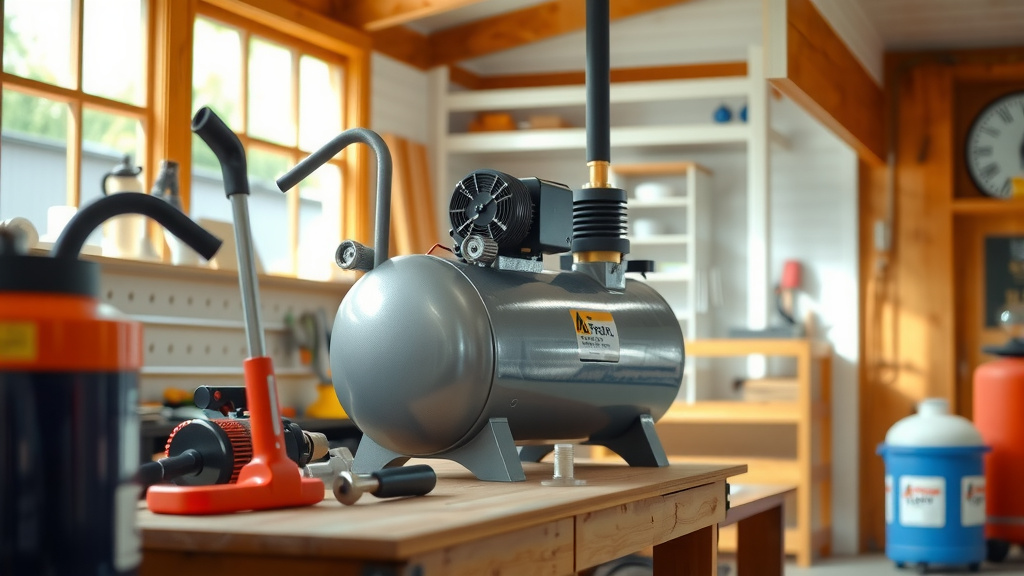
Leaving an air compressor pressurized for extended periods is generally not recommended due to potential safety risks and increased wear on components. It’s often best practice to drain the tank and release air after each use.
While some modern, high-quality air compressor models might handle short-term pressurization better, this habit can shorten your unit’s lifespan and create unnecessary hazards over time.
Here’s a quick summary of what you’ll discover in this guide:
- Leaving your compressor pressurized often leads to safety concerns like tank rupture.
- It can significantly reduce the working life of your air compressor’s parts.
- You’ll likely waste electricity, leading to higher utility bills.
- Moisture builds up inside the tank, causing rust and contamination.
- Always depressurize and drain your tank after you finish your work.
Is It Ok To Leave An Air Compressor Pressurized?
Generally speaking, no, it is not advisable to leave an air compressor pressurized. This practice can introduce a range of problems from safety issues to damaging your equipment.
Many experts we found recommend depressurizing your unit after you complete your tasks (OSHA guidelines). It’s a simple step that protects your investment and ensures your safety.
Why Leaving an Air Compressor Pressurized is Risky
You might think leaving the compressor charged saves a few minutes, right? But the small convenience doesn’t outweigh the serious drawbacks. Let’s look at why this isn’t a good idea for you.
The Danger of Pressure Build-Up
Imagine a balloon constantly inflated, just waiting for a weak spot. Your air compressor tank is similar. Leaving it pressurized means the tank walls are under constant stress.
Over time, this stress can weaken the metal. A sudden failure, though rare, could cause a tank rupture, sending shrapnel flying. We found that safety valves can fail, too, leading to uncontrolled pressure.
Wear and Tear on Your Air Compressor
The components inside your air compressor aren’t meant to hold pressure indefinitely. Seals, gaskets, and valves are under constant strain when pressurized.
This steady stress can cause these parts to wear out faster than they should. You’ll find yourself needing replacements and repairs sooner, costing you time and money. Think of it like constantly flexing a muscle; it gets tired.
Energy Waste and Cost
Even when not actively running, a pressurized system can leak. Small, undetectable leaks will cause the compressor to cycle on periodically to maintain pressure.
This “phantom” cycling wastes electricity. You’re essentially paying for air you’re not using, which can quietly add to your energy bill. We found many homeowners overlook this hidden cost.
What Happens Inside a Pressurized Tank?
Beyond the visible risks, there’s a silent problem brewing inside your compressor tank when it stays pressurized. This issue impacts both the air quality and the tank’s integrity.
The Silent Enemy: Condensation
Air contains moisture. When your compressor draws in air and compresses it, this moisture turns into liquid water inside the tank. Leaving the tank pressurized traps this water.
This trapped water is a recipe for rust and corrosion. Over time, rust can weaken the tank walls from the inside out. It also contaminates your compressed air, which is bad for tools and paint jobs (research often links moisture with tool damage).
The Best Practice: Depressurize and Drain
So, what should you do after using your air compressor? It’s simple, really. Always depressurize the tank and drain any accumulated moisture.
How to Properly Depressurize
Releasing the air from your tank is easy and quick. First, turn off the compressor and unplug it for safety. Then, slowly open the drain valve or pull the pressure relief ring.
Let all the air escape until the pressure gauge reads zero. You’ll hear a hissing sound as the air releases. This ensures the tank is completely empty of pressure and safe.
Don’t Forget to Drain
After depressurizing, keep that drain valve open. You’ll see water, often discolored, come out. This is the moisture you want out of your tank.
Draining prevents rust and corrosion, extending the life of your tank. It also ensures you have cleaner, drier air for your next project. We found that many pros drain their tanks after every use.
When is Brief Pressurization Acceptable?
Are there any exceptions to this rule? For most home and workshop users, the answer is usually no. However, very specific, short-term scenarios exist.
Understanding Short-Term Use
If you’re taking a five-minute break during a project, leaving the compressor pressurized is probably fine. The key is “short-term.” Anything beyond an hour or two starts to move into the “not recommended” zone.
For professional settings with specialized equipment, protocols might differ. But for you, the everyday user, a habit of depressurizing is the safest bet.
Air Compressor Types and Their Tolerance
Not all air compressors are built the same. While the general advice applies to most, understanding differences can be useful. Here’s a quick look:
| Compressor Type | Typical Use | Pressurization Habit |
|---|---|---|
| Portable (Pancake/Hot Dog) | Small DIY, inflation, trim nailing | Always depressurize and drain. |
| Stationary (Larger Tank) | Workshop, garage, heavier tasks | Always depressurize and drain. |
| Industrial (Large Volume) | Manufacturing, continuous use | Often designed for continuous pressure, but still requires regular maintenance. |
For almost all non-industrial users, the advice stays the same: release the pressure and drain the water. Don’t take chances with your equipment or safety.
Checklist for Safe Air Compressor Use
To keep you and your compressor safe and happy, follow these simple steps:
- Always read your air compressor’s owner’s manual.
- Check the pressure relief valve regularly.
- Wear appropriate safety gear, like eye protection.
- Inspect hoses and fittings for damage before each use.
- Ensure your work area is clear of obstructions.
- Never modify your air compressor in any way.
Common Misconceptions About Air Compressor Safety
There are a few myths circulating that can lead to bad habits. Let’s clear those up for you right now.
“It Saves Time to Leave It On!”
While it feels like saving time, you’re actually risking bigger time losses with repairs or safety incidents. A few seconds to depressurize is a small investment for peace of mind.
The time you save is often negligible. The time you might lose if something breaks or goes wrong is far greater. We found this thinking is a common pitfall for new users.
“My Tank is Strong Enough!”
Yes, air compressor tanks are built tough. They have safety ratings and are designed to hold pressure. But they are not invincible. Constant, prolonged pressure shortens their fatigue life.
Think of it like a bridge designed for cars. It’s strong, but if fully loaded 24/7 for years, it will show wear faster than if it gets periods of rest. Regular maintenance and proper use are key.
Conclusion
Leaving an air compressor pressurized, while seemingly harmless, carries real risks for your safety, your equipment’s longevity, and your wallet. The best approach, backed by many experts we found, is to always depressurize and drain your tank after each use.
Making this simple habit part of your routine protects you from potential hazards, keeps your tools running smoothly, and ensures your air compressor serves you well for many years. You’ll thank yourself for taking these small, important steps.
Can I leave an air compressor plugged in all the time?
No, it’s not a good idea to leave your air compressor plugged in when not in use. This prevents accidental startups and also saves electricity, as some units might slowly leak pressure and cycle on.
How often should I drain my air compressor tank?
You should drain your air compressor tank after every use. This removes condensation that builds up inside, preventing rust and ensuring cleaner, drier air for your tools.
What is the purpose of the pressure relief valve on an air compressor?
The pressure relief valve is a critical safety device. It’s designed to automatically open and release excess pressure if the internal tank pressure exceeds a safe limit, preventing dangerous over-pressurization.
Does leaving an air compressor pressurized affect air quality?
Yes, indirectly. Leaving it pressurized allows moisture to sit longer in the tank. This can lead to rust and contaminants mixing with the air, degrading its quality and potentially harming your air-powered tools or paint finishes.
Will my air compressor lose pressure if I leave it pressurized overnight?
Most air compressors will slowly lose some pressure if left overnight, even if they’re in good condition. Small leaks in fittings, hoses, or the tank itself are common and will cause the pressure to gradually drop.
