Is It Safe to Use an Air Compressor Indoors?
On this page (5 sections)
Using an air compressor indoors can be safe if done correctly, but it’s not always the best choice for every situation. The main concerns revolve around air quality and potential hazards like carbon monoxide. Many home air compressors are designed for use in garages or workshops, not living spaces.
While convenient for quick fixes, bringing compressed air into your home requires careful consideration. You’ll want to think about proper ventilation and the type of compressor you’re using. Some models emit fumes that can build up quickly indoors.
- Air compressors can be used indoors, but with caution.
- Ventilation is key to avoiding dangerous fumes.
- Electric compressors are generally safer for indoor use than gas models.
- Always check your compressor’s manual for specific guidelines.
- Prioritize your health and safety when deciding where to use it.
Let’s walk through the ins and outs of using an air compressor safely inside your home.
Bringing Air Compressors Indoors: Is It Really Safe?
So, you’re thinking about using your air compressor inside your home? It’s a question many DIYers and homeowners ponder. We’ve all been there, needing to inflate a tire or use a nail gun and the garage feels a bit too far away. The short answer is yes, it can be safe, but it comes with important conditions. We’re talking about potential health risks and the need for specific precautions. Let’s break down what you need to know to keep your indoor air compressor use from turning into a real headache.
Understanding Your Air Compressor Type Matters
The biggest factor in indoor safety is the type of air compressor you own. Not all compressors are created equal when it comes to emissions. Knowing what you’re working with is your first step towards a safe setup.
Electric vs. Gas-Powered Compressors
This is the most critical distinction. Electric compressors are generally your best bet for indoor use. They don’t produce harmful exhaust fumes. Gas-powered compressors, on the other hand, burn fuel and release carbon monoxide (CO). This is a colorless, odorless gas that can be deadly. The Centers for Disease Control and Prevention (CDC) warns that CO poisoning can happen quickly and without warning. Therefore, never use a gas-powered compressor in an enclosed space like your home.
Oil-Lubricated vs. Oil-Free Compressors
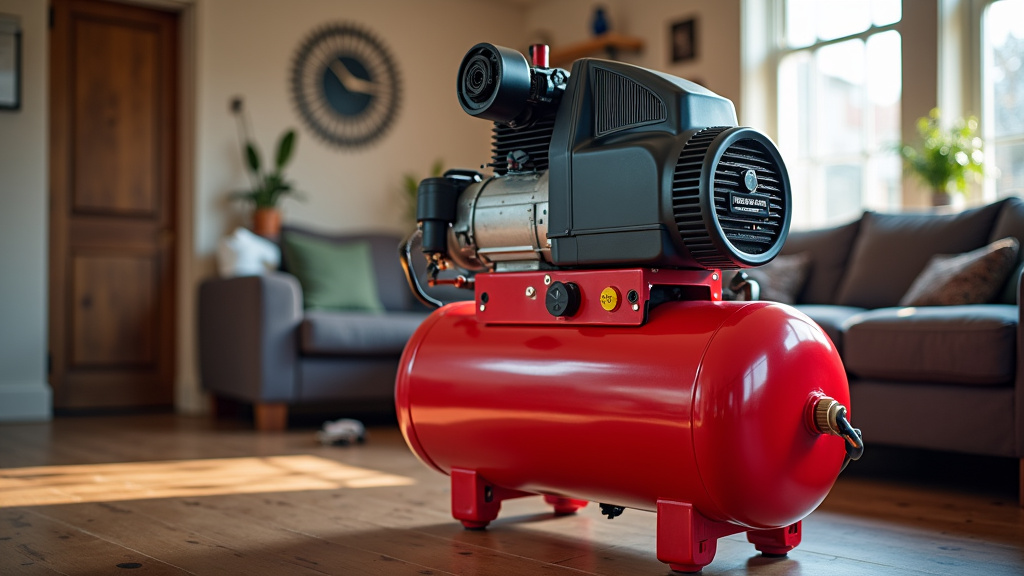
Even with electric models, there are further considerations. Oil-lubricated compressors might occasionally release small amounts of oil vapor into the air. While typically not a major concern in a well-ventilated workshop, it’s something to be aware of in a living space. Oil-free compressors tend to run cleaner and are often preferred for indoor applications where air quality is a higher priority. They usually produce less noise, too. Our guide to oil-free compressors explains why they are often preferred for indoor use.
Ventilation: Your Indoor Air Compressor’s Best Friend
If you’re using an electric compressor indoors, ventilation is absolutely non-negotiable. Think of it like opening a window when you’re cooking something fragrant. You need to allow fresh air in and stale air out.
The Importance of Air Exchange
Even an electric compressor can stir up dust and particles. Proper ventilation helps to dilute any airborne contaminants and ensures you’re breathing clean air. The American Society of Heating, Refrigerating and Air-Conditioning Engineers (ASHRAE) provides guidelines for air exchange rates, emphasizing the need for sufficient fresh air in occupied spaces. While you don’t need to calculate specific ASHRAE rates for occasional home use, the principle stands: more fresh air is better.
Creating a Safe Airflow
What does good ventilation look like in practice? It means having doors and windows open. If possible, use fans to create a cross-breeze. Position your compressor so that any potential dust or slight vapor emissions are directed away from where you and others are working or relaxing. We found that simply opening a nearby window can make a significant difference in air quality.
Quick Ventilation Checklist
- Open windows and doors.
- Use fans to move air.
- Position
Conclusion
Deciding whether to use an air compressor indoors hinges on two main factors: the type of compressor and your commitment to proper ventilation. For indoor use, electric models are your safest bet as they avoid dangerous carbon monoxide fumes. Gas-powered compressors should strictly remain outdoors. Even with electric models, creating adequate airflow by opening windows and using fans is essential to maintain good air quality. Always consult your compressor’s manual for specific operating instructions. Prioritize your health and safety by ensuring your indoor setup is well-ventilated before you start any project.
Frequently Asked Questions
Can I use a small electric air compressor in my apartment?
Yes, a small electric air compressor can typically be used in an apartment, but proper ventilation is still key. Open windows and doors to ensure fresh air circulation. Even oil-free electric models can stir up dust, so a cross-breeze is always recommended for better air quality.
What is the biggest risk of using a gas compressor indoors?
The biggest risk is carbon monoxide poisoning from the exhaust fumes. CO is odorless and colorless, making it incredibly dangerous in enclosed spaces like your home. This is why gas-powered compressors should never be used indoors.
How much ventilation do I really need for indoor air compressor use?
You need sufficient air exchange to keep the air clean. This means opening windows and doors wide, and ideally using fans to create a steady flow of fresh air. The goal is to dilute any dust or minor emissions quickly.
Are oil-free compressors always safer for indoor use?
Oil-free compressors are generally preferable for indoor use because they don’t release oil vapor like oil-lubricated models might. They also tend to be quieter. However, ventilation is still necessary to manage dust and ensure optimal air quality.
Where is the best place to position my air compressor if I have to use it indoors?
Position your air compressor near an open window or door to help direct any potential dust or minimal emissions outwards. Using fans to create a cross-breeze that carries air away from your workspace is also a good strategy.