
Does An Air Compressor Need Electricity?
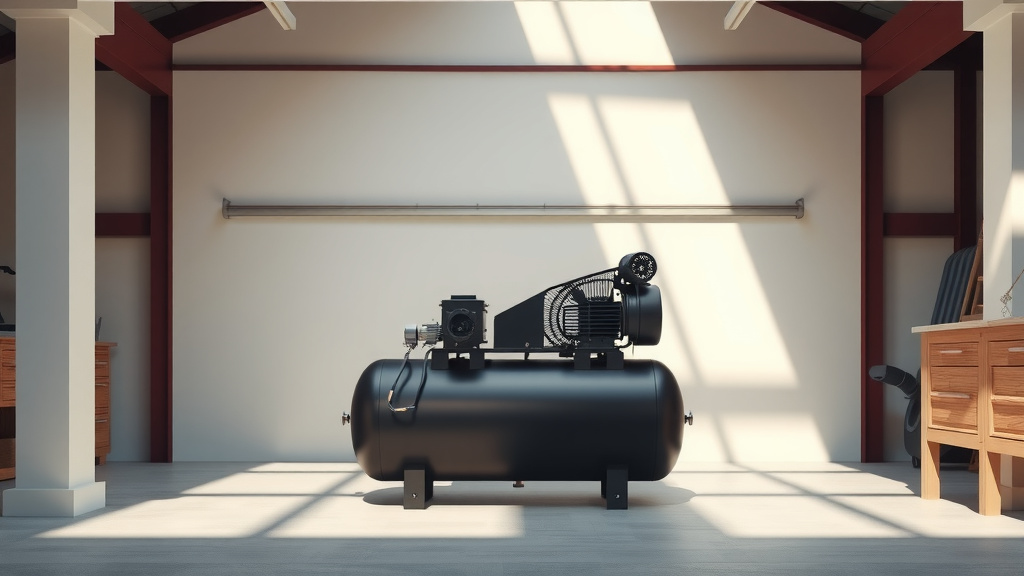
Yes, the vast majority of air compressors need electricity to power their motors and pump air effectively. This includes common models found in workshops and homes.
However, some specialized air compressors operate without direct electricity, relying on gasoline engines, batteries, or even manual effort for certain applications.
Here’s a quick overview of what you’ll learn about air compressor power:
- Most air compressors rely on electricity for their operation.
- Gas-powered compressors offer portability for remote work.
- Battery-powered models provide cordless convenience for lighter tasks.
- Manual pumps exist for very small, infrequent needs.
- Your choice depends on portability, power, and job requirements.
Does An Air Compressor Need Electricity?
Most air compressors absolutely need electricity. They use an electric motor to drive a pump, which compresses air into a storage tank. This is how you get the power for your tools.
You might be wondering if every single air compressor plugs into a wall. The truth is, while many do, there are some interesting exceptions. Let’s break it down for you.
The Short Answer: Mostly, Yes!
When you picture an air compressor, you probably imagine a unit with a power cord. This is because electric models are by far the most common type for everyday use. They’re reliable, generally quieter, and perfect for indoor environments.
These compressors take the electrical energy from an outlet and convert it into pneumatic energy. This stored energy then powers your nail guns, impact wrenches, and paint sprayers. It’s a pretty neat system, isn’t it?
Understanding Electric Air Compressors
Electric air compressors come in various sizes, from small portable units to large industrial machines. They are designed for different tasks, but they all share the fundamental need for an electrical power source.
Many experts emphasize the efficiency of electric models for consistent work (Industrial Tool News). We found that they are often preferred for their ease of use and lower maintenance compared to other types.
Plug-in vs. Battery-Powered
Within the electric category, you have two main options. Most compressors plug directly into a standard wall outlet. These are your workhorses, offering continuous power as long as they’re connected.
Then there are battery-powered air compressors. These are fantastic for portability. They use rechargeable battery packs, similar to what powers cordless drills. They are perfect for quick, light jobs where an outlet isn’t handy.
When Electricity Isn’t the Only Option
Sometimes, an electrical outlet just isn’t available. Think about working on a remote construction site or inflating a tire far from home. That’s when non-electric options really shine.
You have choices that offer independence from the grid. These alternatives can be lifesavers when you need air power in unusual places.
Gas-Powered Air Compressors: Power on the Go
For heavy-duty tasks or jobs away from any power source, gas-powered air compressors are your best friend. They use a gasoline engine to drive the pump, much like a lawnmower engine.
These models are powerful and offer incredible portability. We found that they are often used by contractors and serious DIYers working outdoors. Just remember, they are louder and require fuel and engine maintenance.
Manual Air Pumps: The Simplest Solution
For very small, infrequent needs, you might even consider a manual air pump. Think bicycle pumps or foot pumps for car tires. These require your own physical effort to compress air.
While they don’t power pneumatic tools, they are the ultimate in off-grid simplicity. They are inexpensive and don’t need any fuel or electricity. They’re great for emergencies or very light tasks.
Why Choose an Electric Air Compressor?
Electric compressors come with a host of advantages that make them a popular choice. They are often the default for a good reason, especially for indoor or workshop use.
- Quiet Operation: Generally much quieter than gas models, making them better for enclosed spaces.
- No Emissions: They don’t produce exhaust fumes, which is safer for indoor use.
- Lower Maintenance: Fewer moving parts and no engine to service means less hassle for you.
- Cost-Effective: Running on electricity can be cheaper than constantly buying gasoline over time.
- Consistent Power: Plug-in models offer continuous operation without needing to refuel or recharge.
Why Consider Alternatives?
Even with all the benefits of electric models, there are clear situations where an alternative makes more sense. Your specific project needs will guide your decision.
Sometimes, the ability to work anywhere outweighs other factors. We found that portability is a major driver for choosing gas or battery options. Below is a quick comparison to help you weigh your options:
| Feature | Electric (Plug-in) | Electric (Battery) | Gas-Powered |
|---|---|---|---|
| Power Source | AC Outlet | Rechargeable Battery | Gasoline Engine |
| Portability | Limited by cord | Excellent (cordless) | Excellent (self-contained) |
| Power/Runtime | Continuous, High | Limited by battery life, Medium | Continuous (with fuel), High |
| Noise Level | Low to Medium | Low | High |
| Ideal Use | Workshops, Garages | Quick jobs, Remote small tasks | Construction sites, Outdoor work |
Making the Right Choice for Your Needs
Choosing the right air compressor depends on understanding your specific requirements. There’s no single “best” option; it’s about what works best for *your* projects.
Think about where you’ll be using it and what you need it to do. Will you be indoors or outdoors? How much power do you really need? These questions will steer you in the right direction.
Key Factors to Think About
Before you commit to a purchase, take a moment to consider these points. They can help clarify which type of air compressor is truly suitable for you:
- What tools will you power? (e.g., nailer, impact wrench, paint sprayer)
- Where will you primarily use the compressor? (e.g., garage, job site, roadside)
- Is noise a major concern in your work environment?
- How often will you use it, and for how long?
- What is your budget for both purchase and running costs?
- Do you prioritize portability above all else?
Conclusion
In most scenarios, yes, an air compressor absolutely needs electricity to operate. Electric models are the backbone of many workshops due to their efficiency and clean operation. However, your specific needs might point you toward an alternative.
For heavy-duty, off-grid work, gas-powered compressors offer unmatched portability and power. For light, quick tasks away from an outlet, battery-powered units are incredibly handy. Understanding these distinctions ensures you pick the right tool for your specific job. Consider your projects, environment, and budget carefully, and you’ll find the perfect air compressor to meet your needs.
What is the main advantage of an electric air compressor?
The main advantage of an electric air compressor is its clean, quiet operation and lower maintenance requirements, making it ideal for indoor use without exhaust fumes. We found that they are often more cost-effective to run over time compared to gas models.
Can I use a gas-powered air compressor indoors?
No, you should never use a gas-powered air compressor indoors. They produce carbon monoxide fumes, which are dangerous and can be fatal in enclosed spaces. Always operate gas-powered units in well-ventilated outdoor areas.
Are battery-powered air compressors as powerful as plug-in models?
Battery-powered air compressors are generally less powerful and have shorter runtimes than plug-in models. They are excellent for light to medium-duty tasks and portability, but may struggle with continuous, heavy-duty applications that require sustained high pressure or airflow.
What kind of maintenance does an electric air compressor need?
Electric air compressors typically require less maintenance than gas models. Common tasks include regularly draining moisture from the air tank, checking and changing the air filter, and ensuring electrical connections are secure. For oil-lubricated models, you’ll also need to check and change the oil periodically.
How do I know if I need a portable or stationary air compressor?
You need a portable air compressor if your work involves moving the unit to various locations, like different job sites or around a large property. A stationary compressor is better if it will be used in one fixed location, such as a dedicated workshop or garage, where consistent power and higher capacity are often needed.
