
How to Soundproof an Air Compressor?
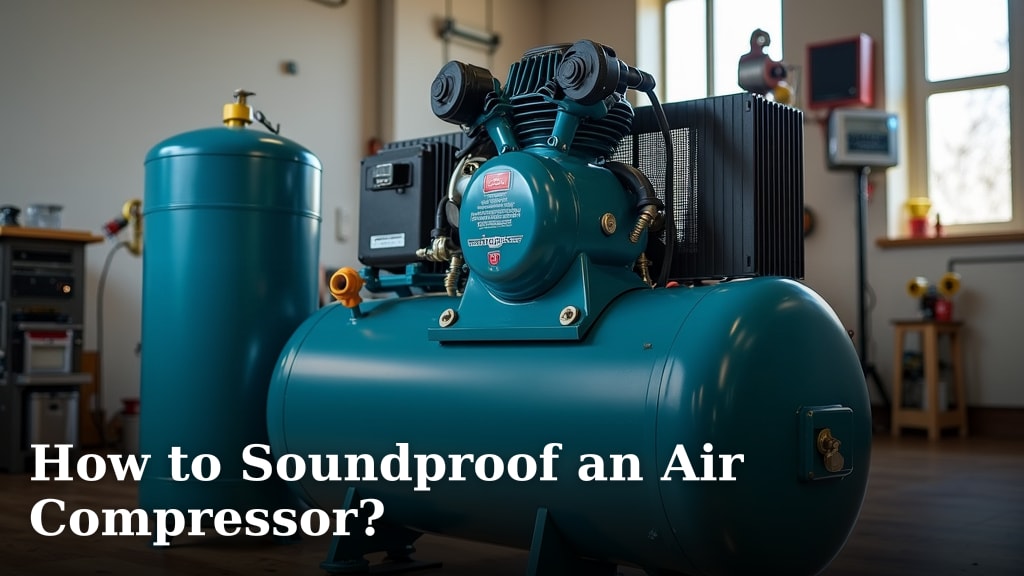
Yes, you can definitely soundproof an air compressor to make your workspace quieter. The most effective methods involve creating an enclosure and reducing vibrations. This makes your shop a much more peaceful place, even when that compressor is running full blast. You can dramatically cut down on noise without sacrificing performance.
A noisy air compressor can really disrupt your work and your neighbors. Thankfully, there are several smart ways to tackle the racket. We’ve looked into the best solutions, and they focus on blocking sound waves and absorbing vibrations. These techniques are straightforward and can make a world of difference in your workshop environment.
- Build a soundproof box or enclosure.
- Use vibration-dampening mats.
- Add mass-loaded vinyl to the enclosure.
- Insulate the compressor’s housing.
- Position the compressor away from walls.
Ready to reclaim your peace and quiet? Let’s walk through the most effective steps to soundproof your air compressor so you can get back to enjoying your hobby or work without the ear-splitting noise.
“`htmlQuieting Your Air Compressor: A Practical Guide
You’ve got your air compressor, and it’s doing its job beautifully. But that high-pitched whine or deep rumble? It’s probably driving you and anyone nearby a little crazy. Don’t worry; you don’t have to live with the noise. Soundproofing your air compressor is absolutely achievable.
The core idea is to block the sound waves and absorb the vibrations that make your compressor so loud. We’ve found that a combination of building materials and smart placement works best. Let’s get your workshop a lot more peaceful.
Understanding Air Compressor Noise
Before we dive into solutions, it helps to know *why* compressors are so noisy. They have several moving parts. The motor, the pump, the air intake – they all contribute. Plus, the vibrations from these parts travel through the compressor’s frame and onto the floor or workbench.
Sources of Compressor Sound
Think of it like a tiny, noisy engine. You have:
- Mechanical Noise: This comes from the pistons, valves, and other moving parts inside the pump. It’s a direct result of the compressor doing its work.
- Air Intake Noise: The compressor sucks in air, and this process can create a whistling or sucking sound.
- Motor Noise: The electric motor itself generates some noise, especially if it’s an older or more powerful model.
- Vibration: This is a big one! As the compressor runs, it vibrates. These vibrations can travel through the air and also through solid surfaces, amplifying the noise.
The Impact of Noise on Your Workspace
Constant noise isn’t just annoying. It can affect your focus and even your hearing over time. Many guidelines suggest that prolonged exposure to noise above 85 decibels can lead to hearing damage (Occupational Safety and Health Administration).
Even if your compressor isn’t at that extreme level, a loud workshop can make it hard to concentrate, communicate, or simply relax. You deserve a comfortable working environment. Getting your compressor quieter is a worthy goal.
Building an Effective Sound-Dampening Enclosure
This is often the most effective method. We’re essentially building a box around your compressor, but it’s a smart box designed to trap and absorb sound.
Designing Your Soundproof Box
When you’re planning your enclosure, think about a few key things. You need to allow for airflow to prevent overheating, but you also need to seal out as much sound as possible.
Consider a design that’s large enough to house your compressor with some breathing room. This space is important for airflow and for adding sound-dampening materials. A simple box shape is often best, but make sure you can easily access the compressor for maintenance.
Choosing the Right Materials
The materials you choose are critical. You want density to block sound and absorption to soak it up.
For the Walls: We found that a layered approach works wonders. Start with a sturdy material like MDF (medium-density fiberboard) or thick plywood. These are dense and help block sound from escaping. Aim for at least 1/2-inch thickness, or even 3/4-inch for maximum effect.
For Sound Absorption: Inside the MDF or plywood, you’ll want to add sound-absorbing material. Acoustic foam panels are a popular choice. You can also use mass-loaded vinyl (MLV) or even dense fiberglass insulation. We’ve found that combining these materials offers the best results.
Layering for Maximum Sound Blocking
A common and effective strategy is to create a sandwich of materials. For each wall of your enclosure, you might use:
- Inner Layer: Acoustic foam or MLV
- Middle Layer: Dense insulation (fiberglass or mineral wool)
- Outer Layer: Thick MDF or plywood
This layered system helps to dissipate sound energy rather than letting it pass through.
Ventilation is Key
Your air compressor generates heat. You absolutely must provide adequate ventilation. Overheating can damage the compressor and create a fire hazard. We don’t want that!
Designing for Airflow
You’ll need intake vents and exhaust vents. The intake lets cool air in, and the exhaust lets hot air out. The trick is to design these so that sound can’t easily escape.
Consider using a baffle system for your vents. This involves creating a maze-like path for the air. The air can flow through, but the sound waves have to make several turns, which significantly reduces their intensity. Think of it like putting a muffler on a car engine.
Many DIY guides suggest placing intake and exhaust fans to ensure a consistent airflow, especially if you’re completely enclosing the compressor. Make sure these fans are also quiet!
Sealing Gaps and Cracks
Even the best-built box is useless if there are holes in it. Sound loves to escape through small openings. You need to be meticulous about sealing everything up.
Use acoustic caulk or sealant around all the seams, edges, and where the panels meet. Pay close attention to where the lid closes. A good weatherstripping or rubber gasket can create a tight seal when the lid is shut. We found that even small gaps can let out a surprising amount of noise.
Mounting and Vibration Control
The enclosure itself can transmit vibrations if it’s not properly mounted. You need to isolate it from the floor or workbench.
Anti-Vibration Mats: Placing the enclosure on a thick, dense rubber mat can absorb a lot of the low-frequency vibrations. These are often made from recycled rubber and are quite heavy. We’ve seen great success using these under heavy machinery.
Isolation Feet: You can also add rubber feet to the bottom of the enclosure itself. These act as small shock absorbers, further decoupling the box from the surface it sits on.
Alternative and Supplemental Soundproofing Methods
While an enclosure is often the most powerful solution, other methods can help, either on their own or to enhance your enclosure.
Adding Mass-Loaded Vinyl (MLV)
Mass-loaded vinyl is a fantastic material. It’s a heavy, flexible barrier that’s specifically designed to block sound. It’s thin but dense.
You can add MLV directly to the exterior or interior walls of your compressor’s existing housing, or to the inside of your DIY enclosure. It’s like adding a thick, soundproof blanket. We found that MLV is especially good at blocking mid-to-high frequency noises.
Ensure you overlap the seams of the MLV when you install it and seal those overlaps with acoustic tape or caulk. This prevents sound from sneaking through.
Sound-Absorbing Insulation
If your compressor has an open frame or you’re building an enclosure, consider adding sound-absorbing insulation. Materials like fiberglass, mineral wool, or even dense polyester batting can soak up airborne sound waves.
This insulation doesn’t block sound as well as dense materials do. Its primary job is to absorb the sound energy bouncing around inside the enclosure or within the compressor’s frame, converting it into heat. Many building codes recommend specific types of insulation for sound dampening (National Research Council Canada).
Positioning Your Compressor Wisely
Sometimes, the simplest solutions are overlooked. Where you place your air compressor can make a big difference.
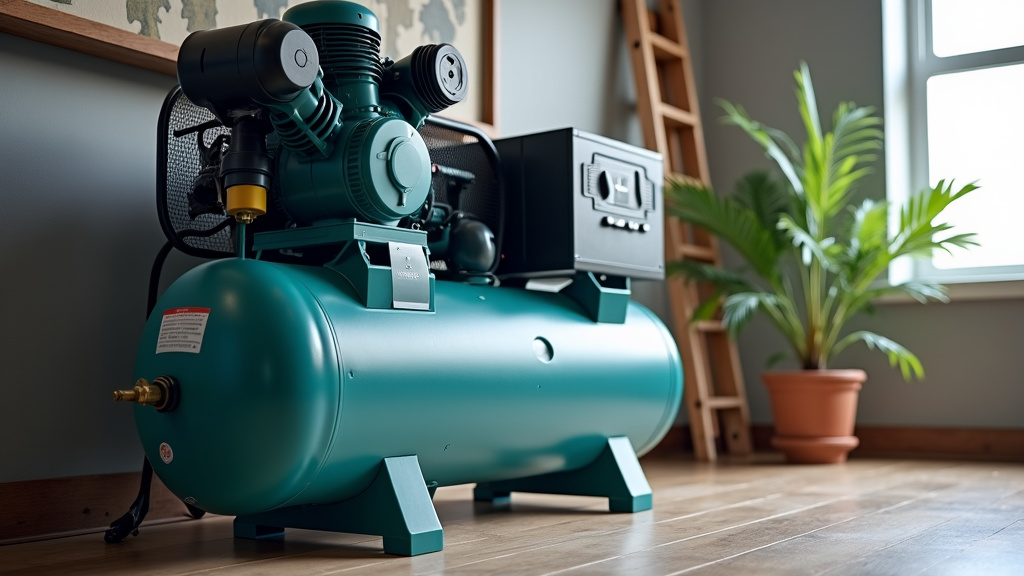
Distance from Walls: Try to position your compressor away from solid walls. A wall can act like a speaker cone, reflecting and amplifying the sound. Leaving at least a foot or two of space can help dissipate the noise.
Avoid Corners: Corners are notorious for boosting sound. If possible, place your compressor in an open area of your workshop rather than tucked into a corner. This allows the sound waves to spread out.
Consider a Separate Room: If you have the option, placing the compressor in a shed, garage, or basement, away from your main living or working area, is the ultimate separation strategy. You can then focus on soundproofing that specific room.
Vibration-Dampening Mats
Even without a full enclosure, a good anti-vibration mat under your compressor can dramatically reduce the noise transmitted through the floor. These mats are often made of thick rubber or specialized composites.
They work by absorbing the vibrations generated by the compressor. This stops them from traveling into the floor and the surrounding structure, which can amplify the noise. We found that thicker mats (1/2 inch or more) generally offer better performance.
Quick Checklist for a Quieter Compressor
Ready to tackle that noise? Here’s a quick run-through of the key steps we’ve discussed:
- Assess the Noise: Listen to where the loudest sounds are coming from (motor, pump, intake, vibration).
- Plan Your Enclosure: Sketch out a box with ventilation and access in mind.
- Gather Materials: Get dense wood, sound absorption materials (foam, MLV, insulation), and sealing supplies.
- Build Smart: Layer your materials, seal all gaps meticulously, and ensure good airflow with baffles.
- Isolate Vibrations: Use thick rubber mats and isolation feet for the enclosure or compressor.
- Strategic Placement: Keep the compressor away from walls and corners.
Conclusion
You’ve learned that taming your air compressor’s noise is totally within your reach. By focusing on creating a well-designed enclosure, reducing vibrations, and using smart materials like MDF, MLV, and acoustic foam, you can make a huge difference. Remember that proper ventilation and sealing are just as important as the soundproofing materials themselves. Don’t forget simple placement strategies, like moving your compressor away from walls and corners, can also help dissipate noise. Your next step is to assess your compressor’s current noise sources and choose the methods that best fit your workshop and budget to enjoy a quieter workspace.
Frequently Asked Questions
How much noise can I expect to reduce?
You can significantly reduce noise levels, often by 10-20 decibels or more, depending on the methods you use. This can make a substantial difference in your workshop’s atmosphere, making it much more comfortable to work or be around.
Is it safe to fully enclose an air compressor?
Yes, it’s safe as long as you design the enclosure with adequate ventilation. Air compressors generate heat, and proper airflow is essential to prevent overheating, which could damage the unit or create a fire hazard.
What’s the difference between sound blocking and sound absorption?
Sound blocking materials, like dense wood or MLV, prevent sound waves from passing through. Sound absorption materials, like acoustic foam or fiberglass insulation, soak up sound energy, converting it into heat within the enclosure.
Can I just put my compressor on a thick mat?
Using a thick, dense rubber mat is a great start for reducing vibration and noise transmission through the floor. While it won’t eliminate all noise, it’s an effective and simple way to quiet down a noisy compressor, especially when combined with other methods.
How important is sealing gaps and cracks?
Sealing gaps and cracks is extremely important. Sound waves are like water; they’ll find any small opening to escape. Meticulously sealing all seams, edges, and openings with acoustic caulk or sealant is vital for an effective soundproof enclosure.
