
How To Move Air Compressor?
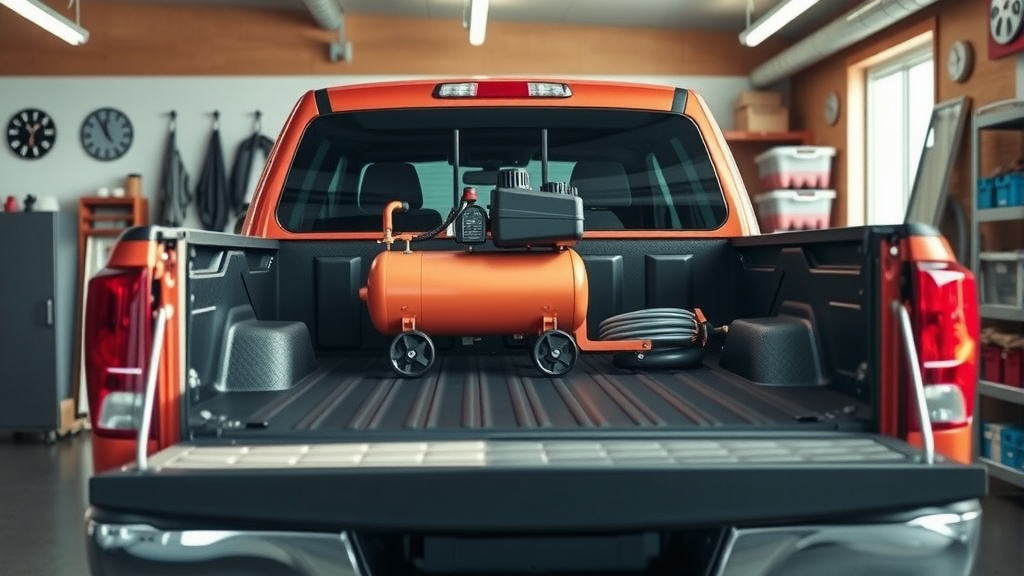
Moving an air compressor safely requires careful planning, proper equipment, and attention to safety precautions like draining air and disconnecting power. Always secure the unit to a dolly or pallet jack to prevent shifting during transport.
To move an air compressor, start by unplugging it and bleeding all air from the tank, then use a sturdy dolly or forklift for larger units to prevent injury and machine damage. Always lift with your legs and ensure a clear path.
Here’s a quick overview of what you will gain from this article:
- Discover essential safety steps before moving your compressor.
- Learn which tools are best for different compressor sizes.
- Get a step-by-step guide for a smooth and damage-free move.
- Uncover common mistakes to avoid during the process.
- Find practical tips for reinstalling your compressor after moving.
How To Move Air Compressor?
Moving an air compressor, whether a small portable model or a large stationary unit, demands a methodical approach focused on safety and preventing damage. The process involves preparation, proper lifting, and secure transport.
Why Moving Your Air Compressor Needs Careful Planning?
You might think moving an air compressor is simple, but it’s more complex than just picking it up. These machines can be surprisingly heavy and awkward, leading to potential injuries or damage if not handled correctly. Proper planning saves you headaches and keeps your compressor working (National Safety Council).
Understanding Your Compressor’s Size and Weight
Before you even think about lifting, know what you’re up against. Small portable compressors are easier, but larger models often demand specialized equipment. We found that a typical 20-gallon compressor might weigh around 100-150 pounds, while industrial units can weigh thousands.
Safety First: Essential Precautions Before You Move
Safety is not just a suggestion; it’s a rule when moving heavy machinery. Always disconnect power and release air pressure first. Ignoring these steps risks electric shock or uncontrolled pressure release, which can be very dangerous.
Disconnecting Your Compressor Safely
First, unplug your compressor from its power source. Make sure it’s completely off. Then, open the drain valve to bleed all the air from the tank. You want the pressure gauge to read zero before proceeding. Many experts say this step is non-negotiable (OSHA guidelines).
Personal Protective Equipment (PPE) You Will Need
Think of PPE as your personal shield. You will need sturdy work gloves to protect your hands from scrapes and pinches. Safety glasses are a must to guard against flying debris. We also found that wearing steel-toed boots can prevent serious foot injuries from accidental drops.
Tools and Equipment for a Smooth Move
The right tools make any job easier, and moving an air compressor is no exception. Depending on the size of your unit, you will need different gear. Trying to move a heavy compressor without the right tools is like trying to push a car uphill with your bare hands.
For Smaller, Portable Units
If you have a small hot-dog or pancake-style compressor, its built-in handle and wheels might suffice. Even then, remember to bend your knees and lift with your legs, not your back. A small hand truck or dolly can still make it much easier to manage.
For Medium-Sized Compressors
Units like 20 to 60-gallon models usually have wheels, but they’re still heavy. A two-wheel hand truck or appliance dolly can be a lifesaver. Ensure the dolly’s weight capacity exceeds your compressor’s weight. Securing the compressor with straps to the dolly is smart.
For Large, Stationary Air Compressors
For anything larger than 60 gallons, you are moving into heavy-duty territory. You will likely need a pallet jack, engine hoist, or even a forklift. Many people find professional movers specializing in heavy equipment are the safest option here. We found that trying to move these alone often leads to accidents.
Step-by-Step Guide: Moving Your Compressor
Moving your compressor successfully is about following a clear sequence. Think of it like a recipe; skipping steps can spoil the outcome. From preparing the area to securing the unit, each phase is important.
Preparing the Area
Clear a direct path from the compressor’s current spot to its new location. Remove any obstacles, loose rugs, or anything you could trip over. Many experts suggest scouting the path first to identify any challenges, such as tight corners or doorframes.
Lifting and Loading Techniques
For smaller units, lift using your legs. For medium units, tilt it onto a hand truck, securing it tightly. For very large units, use a pallet jack or hoist. Position the equipment carefully and ensure the load is balanced before lifting. Don’t rush this part.
Securing for Transport
Once loaded onto a dolly or vehicle, tie down the compressor with strong ratchet straps. You want it to be snug and unable to shift during movement. Use moving blankets or cardboard to protect the compressor’s finish and surrounding areas (Consumer Reports).
Checklist Before Starting Your Move
- Unplugged the compressor?
- Drained all air from the tank?
- Gathered appropriate PPE (gloves, safety glasses, boots)?
- Selected the right moving equipment (dolly, pallet jack)?
- Cleared the path for moving?
- Arranged for help, if needed?
Common Mistakes to Avoid When Moving Air Compressors
Many mistakes stem from impatience or underestimating the weight. A common error is not fully draining the air, which can cause a sudden burst of air during movement. Another mistake is lifting with your back instead of your legs, which can cause serious injury.
Here’s a quick overview of moving considerations:
| Compressor Size | Recommended Equipment | Key Considerations |
|---|---|---|
| Small (1-10 Gallon) | Hand truck, built-in wheels | Lift with legs, mind awkward shapes. |
| Medium (20-60 Gallon) | Appliance dolly, heavy-duty hand truck | Secure with straps, ensure balance. |
| Large (80+ Gallon) | Pallet jack, engine hoist, forklift | Professional help often needed, extreme caution. |
After the Move: Reinstallation Tips
Once your compressor is in its new home, take a moment to set it up correctly. Place it on a firm, level surface to prevent vibrations and wobbling. Ensure there’s plenty of ventilation around the unit to prevent overheating. Reconnect the power and slowly allow it to build pressure.
Conclusion
Moving an air compressor doesn’t have to be a daunting task. With proper planning, the right equipment, and a strong focus on safety, you can successfully relocate your unit without incident. Always remember to disconnect power, drain air, and use appropriate lifting techniques. Your safety, and the integrity of your equipment, depend on it.
How heavy is an average air compressor?
The weight of an air compressor varies significantly by size and capacity. A small, portable pancake or hot-dog style compressor might weigh as little as 25-50 pounds. A medium-sized 20-gallon tank unit could be 100-150 pounds, while large industrial compressors can easily weigh hundreds or even thousands of pounds.
Can I move an air compressor with air in it?
No, you should never move an air compressor with air still in the tank. This creates a safety hazard due to the stored pressure. Always ensure the compressor is unplugged and all air is bled from the tank, with the pressure gauge reading zero, before attempting to move it.
Do I need professional movers for a large air compressor?
For very large or industrial air compressors, professional movers specializing in heavy equipment are often recommended. These units can weigh thousands of pounds and require specialized tools like forklifts or cranes, along with expert handling to prevent damage or injury. Weigh the cost against the potential risks of DIY.
How do I prepare my air compressor for storage after moving?
If you are moving your compressor into storage, first drain all air and moisture from the tank. You should also change the oil (if it’s an oil-lubricated model) and clean the air filter. Cover the unit to protect it from dust and debris, and store it in a dry, temperate location to prevent rust or damage.
What should I do if my air compressor won’t start after moving?
If your air compressor won’t start after moving, first check that it’s properly plugged in and the circuit breaker hasn’t tripped. Ensure all valves are closed, and there’s no air already in the tank preventing it from cycling on. If it’s still not working, check the pressure switch and motor for any visible damage or loose connections from the move.
