
How To Use Smart Gear Air Compressor?
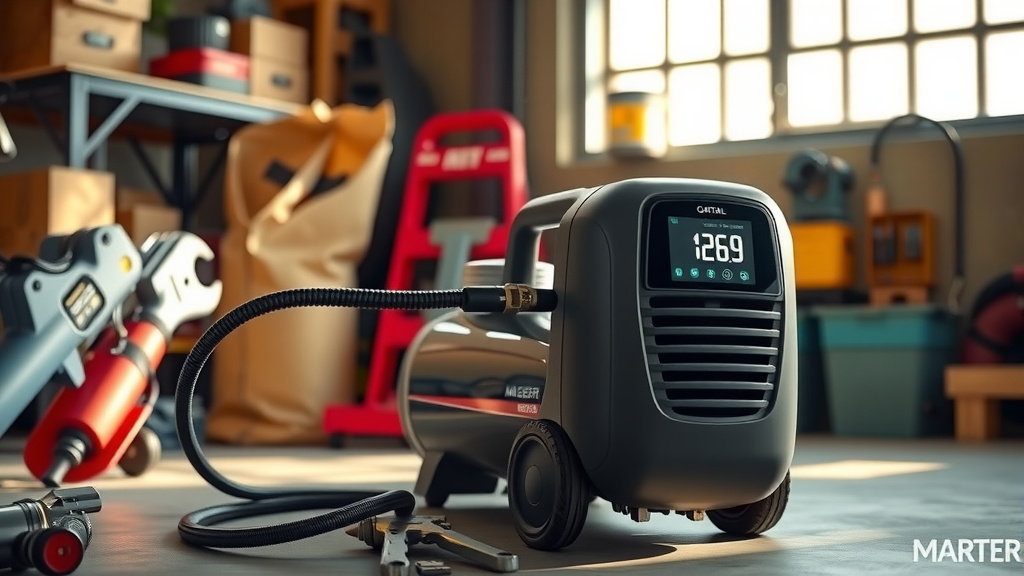
Using a Smart Gear Air Compressor involves ensuring it is safely set up, connecting the appropriate air hose and attachment, and then carefully setting the correct pressure for your task before operation.
To properly use your Smart Gear Air Compressor, always consult its specific user manual, but generally, you will plug it in, attach your tool, set the desired PSI, and then activate it to inflate or power your chosen pneumatic device.
- TL;DR: Set up your Smart Gear Air Compressor safely, connect the hose and tool, then dial in the right air pressure (PSI) for your task.
- Always read your specific model’s manual for detailed instructions and safety advice.
- Remember to drain condensation after each use to keep your compressor running well.
- Regular maintenance helps your Smart Gear compressor last longer and perform better.
- Safety gear, like eye protection, is a must when operating any air compressor.
How To Use Smart Gear Air Compressor?
To use your Smart Gear Air Compressor effectively, you need to understand its basic components, follow safety guidelines, and know how to connect and operate it with various air tools. It is a straightforward process once you get familiar with it.
Getting Started: Unboxing Your New Compressor
When your Smart Gear Air Compressor arrives, take a moment to inspect the packaging for any damage. Carefully remove the compressor and all its accessories. We found that laying out everything helps you see what came in the box.
Safety First: Essential Precautions
Before you even think about plugging it in, remember safety. Always wear eye protection, such as safety glasses, when operating an air compressor or any air-powered tools. Also, ensure you are in a well-ventilated area.
Powering Up Your Smart Gear
Find a reliable electrical outlet. Your Smart Gear Air Compressor needs a stable power source. Plug it in firmly. Many experts say a dedicated circuit is best for larger compressors (OSHA).
Understanding the Controls
Locate the on/off switch, typically a clear button or lever. You will also see a pressure gauge, which shows the air pressure inside the tank. Familiarize yourself with these crucial controls.
Connecting Your Air Hose and Attachments
Now, attach your air hose. Most Smart Gear compressors use quick-connect fittings. Simply pull back the collar on the coupler, insert the hose fitting, and release the collar. It clicks into place, forming a secure connection.
What Tools Can You Use?
Your Smart Gear Air Compressor can power many tools. From inflating tires to operating nail guns, the possibilities are vast. Here’s a quick look at common uses:
| Tool Type | Common Uses |
|---|---|
| Tire Inflator | Cars, bicycles, sports balls |
| Blow Gun | Cleaning dust, drying surfaces |
| Brad Nailer | Light carpentry, trim work |
| Air Chuck | Checking tire pressure |
Setting the Right Pressure (PSI)
Every air tool or item you inflate has a recommended PSI (pounds per square inch). This number is important for safe and effective operation. You will find it on the tool itself or in its manual.
Checking Tire Pressure: A Common Use
Let’s say you are inflating a car tire. Check your car’s door jamb or owner’s manual for the recommended tire pressure. It is often around 30-35 PSI, but always verify this number for your specific vehicle.
Inflating Like a Pro: Steps to Follow
Once your tool is attached and you know the target PSI, you are ready to go. Here’s a simple process:
- Turn on your Smart Gear Air Compressor.
- Wait for the tank to fill with air. The motor will stop automatically when it reaches its maximum pressure.
- Attach the inflator tool to your tire valve or item.
- Press the trigger to start inflation.
- Monitor the pressure gauge on your inflator or compressor.
- Stop when you reach the desired PSI.
- Disconnect the tool.
Draining Moisture: Why It Matters
Air compressors create condensation. This moisture can lead to rust inside the tank, shortening its life and potentially damaging your air tools. Draining it is a vital maintenance step.
How to Drain Your Compressor
After each use, or at least regularly, turn off and unplug the compressor. Locate the drain valve, usually at the bottom of the tank. Open it slowly to release the trapped moisture. You will hear a hiss as air escapes, often followed by water. Close it tightly once it is all out. This helps keep your tank rust-free.
Storing Your Compressor Safely
When you are done, unplug your Smart Gear Air Compressor. Store it in a cool, dry place, away from direct sunlight or extreme temperatures. Keeping it upright also helps to prevent oil leaks if your model has a lubricant system.
Troubleshooting Common Issues
Sometimes, things do not go as planned. Here is a quick checklist for common compressor issues:
- Is it plugged in securely?
- Is the power switch turned on?
- Is the circuit breaker tripped?
- Are all hose connections tight?
- Is the drain valve fully closed?
- Is the tank pressure too low?
If you face persistent issues, we found that checking the owner’s manual’s troubleshooting section can be incredibly helpful. Many experts suggest reviewing it before calling for service (Consumer Reports).
Conclusion
Using your Smart Gear Air Compressor does not have to be intimidating. By following these practical steps, you can safely and effectively tackle a wide range of tasks, from inflating vehicle tires to powering various air tools. Remember to prioritize safety, perform routine maintenance like draining condensation, and always refer to your specific model’s manual for the best guidance. With a little practice, your air compressor will become a valuable asset for your home or workshop.
What is the ideal PSI range for inflating car tires with a Smart Gear Air Compressor?
The ideal PSI range for car tires typically falls between 30-35 PSI, but you should always check the specific recommendation for your vehicle. This information is usually found on a sticker inside the driver’s side door jamb or in your car’s owner’s manual.
How often should I drain the moisture from my Smart Gear Air Compressor’s tank?
It’s best practice to drain the moisture from your Smart Gear Air Compressor’s tank after every use. This prevents rust buildup, which can shorten the tank’s lifespan and contaminate your air tools. For light users, at least once a week is recommended.
Can I use my Smart Gear Air Compressor indoors?
You can use your Smart Gear Air Compressor indoors, but it’s crucial to ensure the area is well-ventilated. Compressors can produce noise and heat, and some may release small amounts of oil mist. Adequate ventilation also helps dissipate heat and any fumes.
What kind of extension cord should I use with my air compressor?
If an extension cord is absolutely necessary, use one that is rated for outdoor use, specifically designed for heavy-duty appliances, and has the correct gauge (thickness) for the compressor’s amperage and cord length. A cord that is too thin can cause voltage drop and overheat.
My Smart Gear Air Compressor isn’t building pressure; what should I check first?
If your Smart Gear Air Compressor isn’t building pressure, first check that all air hose connections are secure and that the drain valve on the bottom of the tank is fully closed. Also, inspect the air filter for clogs and ensure no leaks are present in the hose or fittings.
