
Can I Use Gear Oil In My Air Compressor?
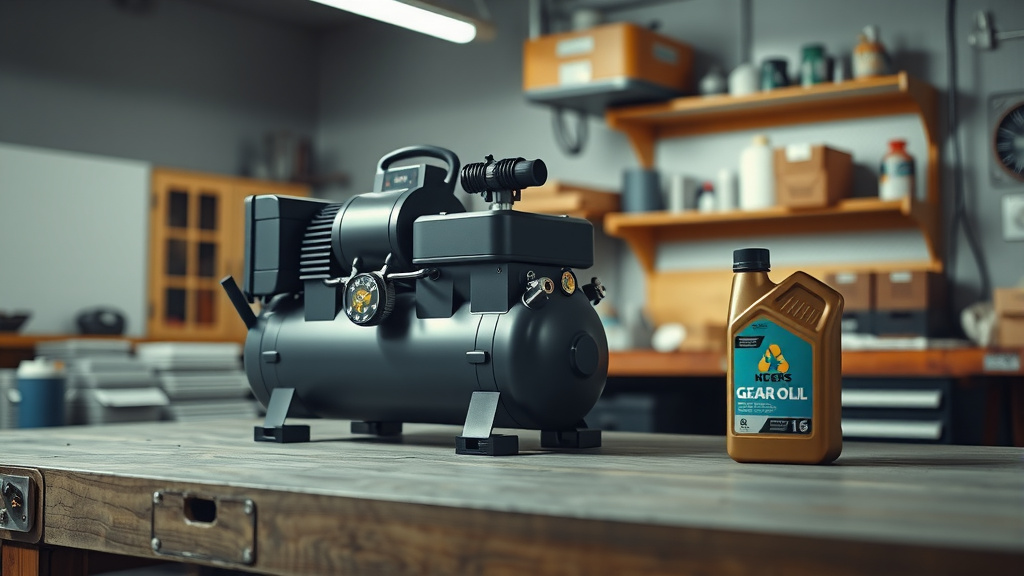
No, you should not use gear oil in your air compressor. Air compressors require specialized compressor oil designed for their unique operating conditions, which differ significantly from those gear oil is formulated to handle.
Using gear oil in an air compressor can lead to premature wear, damage to internal components, reduced efficiency, and potentially void your equipment’s warranty.
- Using gear oil in an air compressor is a bad idea due to differing formulations.
- Compressor oil handles high temperatures, moisture, and oxidation better.
- Gear oil has additives meant for extreme pressure in gears, not air compression.
- The wrong oil can cause damage, reduce lifespan, and make your compressor less efficient.
- Always follow your air compressor’s owner’s manual for the correct oil type.
Can I Use Gear Oil In My Air Compressor?
You cannot use gear oil in your air compressor. Each type of oil is made for very different tasks and environments. Using the wrong one can cause serious problems for your machine.
Many people wonder about using alternative oils. They might think oil is just oil. Yet, air compressors have specific needs that only proper compressor oil can meet. We found that misunderstanding these differences often leads to costly mistakes.
Understanding Air Compressor Oil
Air compressor oil is a special fluid. It lubricates moving parts and cools the compressor. It also helps seal the components and prevents rust inside the system. These oils often have anti-foaming and anti-oxidation properties.
The operating environment inside an air compressor is tough. It involves high temperatures and the presence of compressed air. This air often contains moisture, which can cause issues. Compressor oil needs to stand up to these challenges.
What is Gear Oil Designed For?
Gear oil, by contrast, is made for transmissions and gearboxes. These systems have gears that grind and mesh under extreme pressure. Gear oil contains very specific additives. These additives protect against wear and tear in such harsh conditions.
These oils are built to handle high shear forces. They prevent metal-on-metal contact in situations where gears are constantly working hard. The challenges for gear oil are different from those faced by compressor oil.
The Differences That Matter
The main differences lie in viscosity and additives. Compressor oils typically have a different viscosity range. They are designed to manage heat and moisture effectively. They often have better resistance to oxidation.
Gear oils, however, have extreme pressure (EP) additives. These compounds are perfect for gears but can cause problems in a compressor. They might break down under compressor heat or react poorly with its components. This can lead to deposits or seal damage. Many experts say these additives are harmful to air compressor health (Cleveland Clinic).
The Risks of Using the Wrong Oil
Using gear oil instead of compressor oil brings many risks. Your air compressor components can wear out quickly. This might lead to unexpected breakdowns. The compressor’s lifespan will likely shorten significantly.
Efficiency also takes a hit. Incorrect lubrication means the compressor works harder. This uses more power and delivers less air. You might notice your compressor running hotter than usual. Most manufacturers also state that using the wrong oil voids your warranty.
What Happens When You Mix Them?
Mixing different types of oil is never a good idea. Even a small amount of gear oil can dilute the properties of compressor oil. This can lead to a breakdown in lubricating performance. You might see increased foaming or sludge formation. This sludge can clog filters and vital passages.
The chemical reactions between additives can be unpredictable. We found that this often results in a lubricant that fails to protect your machine adequately. It is always better to drain and replace with the correct oil if you are unsure.
Air Compressor Oil vs. Gear Oil: A Quick Comparison
Let’s look at how these two oils stack up against each other. This table shows their primary purposes and key differences. It helps illustrate why they are not interchangeable.
| Feature | Air Compressor Oil | Gear Oil |
|---|---|---|
| Primary Purpose | Lubricate, cool, seal, prevent rust in air compressors | Lubricate, protect gears from extreme pressure and wear |
| Key Additives | Anti-foaming, anti-oxidation, rust inhibitors | Extreme pressure (EP) additives, anti-wear |
| Operating Environment | High heat, moisture, compressed air | High shear, metal-on-metal contact, heavy loads |
| Viscosity | Formulated for compressor-specific temperatures | Often higher viscosity for extreme pressure loads |
| Compatibility | Specific to compressor type (piston, rotary screw) | Specific to gearbox type (manual, differential) |
Identifying Your Compressor’s Oil Needs
The best way to know what oil to use is to check your owner’s manual. This guide will list the exact type and viscosity grade. Some compressors use conventional oil. Others require synthetic or even food-grade oils. Synthetic oils often offer better performance in extreme temperatures.
Never guess when it comes to oil. The manual is your most reliable source of information. It gives you the specifications set by the manufacturer. Following these instructions will protect your investment.
When in Doubt, Consult the Manual
We cannot stress this enough: your air compressor manual is your guide. It contains all the vital information you need. From oil types to maintenance schedules, it’s all there. Keep it in a safe place for easy reference. If you’ve lost it, most manufacturers offer digital versions online.
Why Proper Lubrication Matters So Much
Proper lubrication is the lifeblood of your air compressor. It ensures smooth operation and reduces friction. This keeps internal temperatures down. Correct oil choice means your compressor lasts longer and runs more reliably. It also protects against wear that leads to expensive repairs.
Think of it like oil in your car engine. You wouldn’t put cooking oil in your car, would you? The same logic applies to your air compressor. It needs the right oil to perform its best and stay healthy for years.
Signs You Have the Wrong Oil
If you suspect you’ve used the wrong oil, look for these signs:
- Your compressor runs hotter than usual.
- You hear unusual noises, like grinding or knocking.
- There’s a noticeable drop in performance or air output.
- The oil looks foamy or unusually dark very quickly.
- You notice oil leaks or seals failing.
Recommended Practices for Air Compressor Maintenance
To keep your compressor in top shape, stick to a regular maintenance schedule. This includes checking oil levels often. Change the oil according to the manufacturer’s recommendations. This might be based on hours of operation or a specific time frame.
Always use the exact oil specified in your manual. Also, keep air filters clean. A clean filter prevents dirt from entering the system. Regularly drain condensation from the tank. These steps extend the life and efficiency of your air compressor.
Conclusion
While both air compressor oil and gear oil are lubricants, they are not interchangeable. Each is formulated with specific additives and viscosities to meet the demands of very different mechanical systems. Using gear oil in your air compressor is a definite no-go. It can lead to serious damage, reduced performance, and costly repairs. Always refer to your compressor’s owner’s manual. Use only the manufacturer-recommended air compressor oil. Taking care of your equipment with the correct lubricants ensures it runs efficiently and lasts a long time.
Can I use motor oil instead of compressor oil?
No, just like gear oil, motor oil is not a suitable substitute for compressor oil. Motor oil contains detergents that can cause foaming and carbon deposits in air compressors, which are not designed to handle these additives. Compressor oil is formulated without detergents and with anti-foaming agents tailored for air compression.
What happens if I put too much oil in my air compressor?
Overfilling your air compressor with oil can lead to several problems. It can cause increased pressure in the crankcase, leading to oil leaks from seals and gaskets. It might also cause oil to enter the air line, contaminating your air supply. Always fill to the recommended level on the dipstick or sight glass.
How often should I change the oil in my air compressor?
The oil change frequency depends on your compressor’s type, usage, and the oil used. Many piston compressors require oil changes every 3-6 months or after 200-500 operating hours. Rotary screw compressors might have longer intervals. Always check your specific owner’s manual for precise recommendations.
Are all air compressor oils the same?
No, not all air compressor oils are the same. There are conventional (mineral-based) oils and synthetic oils, each with different performance characteristics. Some compressors require specific viscosities (e.g., ISO 46, ISO 68). Always match the oil type and specification to your compressor’s requirements as stated in the manual.
Where can I find the correct oil for my air compressor?
You can usually find the correct oil at hardware stores, automotive supply stores, or online retailers. Look for products specifically labeled as “air compressor oil” and ensure they meet the viscosity and type specifications listed in your compressor’s owner’s manual. Many compressor manufacturers also sell their own branded oils.
