
Can I Use Hydraulic Oil In My Air Compressor?
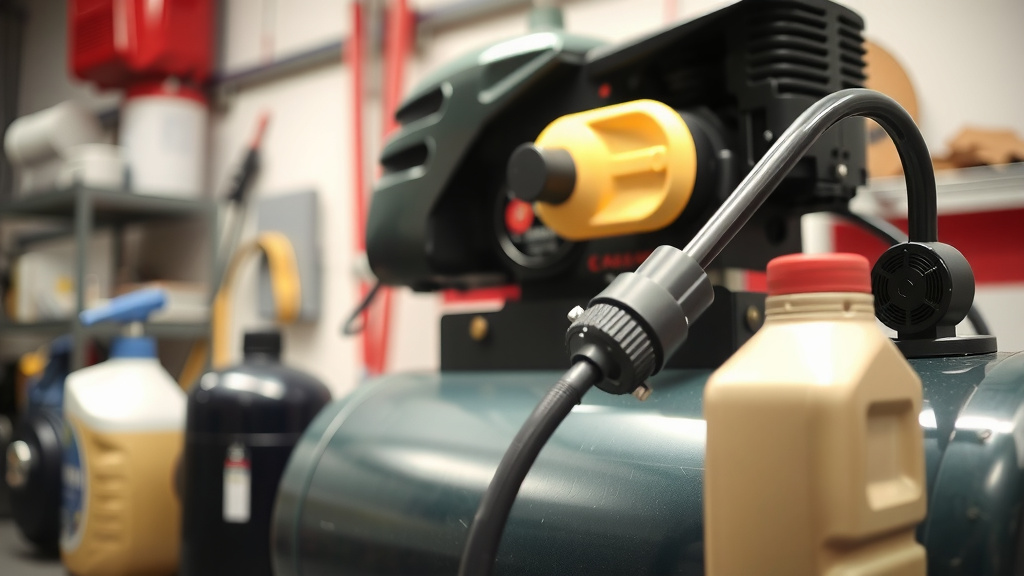
No, you cannot use hydraulic oil in your air compressor. While both are lubricants, hydraulic oil lacks the specific properties an air compressor needs, leading to potential damage and voided warranties.
Using the wrong oil, like hydraulic oil, in an air compressor can cause serious issues, including overheating, seal degradation, and inefficient operation, ultimately shortening your compressor’s lifespan.
Here’s the quick rundown:
- Using hydraulic oil in your air compressor is generally a bad idea.
- It’s designed for different pressures and temperatures.
- You risk damaging your compressor and voiding your warranty.
- Always stick to the manufacturer’s recommended air compressor oil.
- The right oil ensures efficiency and a longer life for your machine.
Can I Use Hydraulic Oil In My Air Compressor?
You absolutely should not use hydraulic oil in your air compressor. It’s a common question, but the answer is a firm no.
Putting hydraulic oil into your air compressor will likely cause more harm than good, and it could even ruin your equipment.
Why Mixing Oils Is a Bad Idea
Imagine trying to fuel a diesel car with gasoline. It simply won’t work, right? The same principle applies here.
Air compressors and hydraulic systems are designed for very different operating conditions and require specific types of oil.
Understanding Compressor Oil
Air compressor oil is a special lubricant. It handles high temperatures and pressures unique to air compression.
It also needs to prevent carbon buildup and manage moisture effectively. This isn’t just any old oil.
Understanding Hydraulic Oil
On the other hand, hydraulic oil is made for transferring power in hydraulic systems.
It focuses on excellent anti-wear properties and maintaining viscosity under pressure, but often at much lower operating temperatures than an air compressor.
The Big Differences Between The Oils
You might think oil is just oil, but that’s a common misconception. The additives in these oils are entirely different.
These differences are key to how each oil performs in its intended application. Many industry experts highlight these distinctions (Compressed Air Best Practices).
Here’s a quick comparison of their main characteristics:
| Feature | Air Compressor Oil | Hydraulic Oil |
|---|---|---|
| Primary Role | Lubrication, cooling, sealing, corrosion protection. | Power transfer, lubrication, heat dissipation. |
| Temperature Range | Designed for high operating temperatures. | Typically for lower to moderate temperatures. |
| Additives | Anti-carbon, anti-foam, rust inhibitors, oxidation stability. | Anti-wear, rust and oxidation inhibitors, demulsifiers. |
| Viscosity | Maintains viscosity at varying temperatures. | Stable viscosity under pressure changes. |
Potential Problems If You Use Hydraulic Oil
So, what exactly happens if you decide to pour hydraulic oil into your compressor? The issues can be quite severe.
You could be setting yourself up for a costly repair bill and significant downtime. We found that the consequences can range from minor inefficiencies to catastrophic failures.
Overheating and Poor Performance
Hydraulic oil might not handle the high temperatures inside your compressor. This leads to thermal breakdown and overheating.
Overheating reduces efficiency and can severely stress internal components, leading to premature wear.
Carbon Buildup and Sludge
Air compressor oil contains additives to prevent carbon formation. Hydraulic oil typically lacks these.
Without them, you’ll see increased carbon deposits and sludge, which can clog air lines and valves, reducing performance.
Seal and Component Damage
Different oils have different chemical compositions. Hydraulic oil might react poorly with your compressor’s seals and gaskets.
This can cause them to harden, crack, or dissolve, leading to oil leaks and pressure loss.
Reduced Lubrication and Wear
The viscosity of hydraulic oil may not be ideal for your compressor’s moving parts. This means less effective lubrication.
Reduced lubrication causes increased friction, leading to accelerated wear on pistons, bearings, and rotors.
Foaming and Air Entrapment
Hydraulic oil might foam more easily in a compressor environment. Foam reduces lubrication effectiveness and can trap air.
Trapped air can cause hydraulic lock and further damage, impacting your compressor’s ability to deliver consistent air pressure.
Voided Warranty
Almost every compressor manufacturer specifies the exact type of oil you should use. Deviating from this recommendation will void your warranty.
This means if something goes wrong, you’ll be on the hook for all repair costs yourself. Many manufacturers’ guidelines are clear on this point.
Choosing The Right Compressor Oil
The best advice is always to check your compressor’s manual. It’s your go-to guide for everything.
The manufacturer knows best what kind of lubrication your specific model needs.
Key Factors for Selecting Oil
When you’re picking out compressor oil, consider a few things:
- Type of Compressor: Rotary screw, piston, or centrifugal? Each has specific needs.
- Operating Conditions: Temperature, humidity, and duty cycle all play a role.
- Manufacturer’s Specification: This is the most crucial factor.
Synthetic vs. Mineral Oil
You’ll often see two main types: synthetic and mineral-based.
- Synthetic oils generally offer better performance, wider temperature range, and longer change intervals. They might cost more upfront but often save money long-term.
- Mineral oils are more traditional and often sufficient for lighter-duty or less demanding applications.
A Simple Checklist for Oil Maintenance
Keeping your compressor happy and healthy isn’t hard if you follow a few basic steps. Think of it like taking care of your car’s engine.
Regular maintenance ensures optimal performance and a longer operational life. Here’s what you need to remember:
- Always use the manufacturer-recommended oil type.
- Check your oil level regularly, usually before each use or weekly.
- Change the oil according to the schedule in your user manual.
- Inspect the oil for discoloration or unusual odors during checks.
- Keep oil stored in a clean, sealed container to prevent contamination.
- Never mix different types or brands of compressor oil.
Conclusion
Trying to use hydraulic oil in your air compressor is a definite no-go. It’s like putting square pegs in round holes – they just don’t fit.
You risk everything from reduced efficiency and component wear to outright machine failure and a voided warranty. We found that the simplest and safest path is always to follow your manufacturer’s recommendations for compressor oil.
Choosing the right oil ensures your air compressor runs smoothly, efficiently, and reliably for years to come. Your equipment, and your wallet, will thank you.
Is compressor oil the same as motor oil?
No, compressor oil is not the same as motor oil. While both are lubricants, compressor oil has specific additives to handle high temperatures, pressures, and moisture unique to air compression, which motor oils lack. Motor oils are designed for internal combustion engines and have detergents that can cause foaming in compressors.
How often should I change my air compressor oil?
The oil change frequency for your air compressor depends on the type of compressor, its usage, and the oil type. Generally, mineral oils might need changing every 250-500 hours, while synthetic oils can last 1,000-2,000 hours. Always consult your specific compressor’s manual for the exact recommended schedule.
Can I switch from mineral to synthetic compressor oil?
Yes, you can often switch from mineral to synthetic compressor oil, but it’s important to flush the system thoroughly beforehand. Mixing the two can sometimes cause compatibility issues or dilute the benefits of synthetic oil. Check your compressor’s manual or consult the manufacturer for specific guidance on switching oil types.
What are the signs of low or bad compressor oil?
Signs of low or bad compressor oil include increased operational noise, overheating of the compressor unit, reduced air output, visible oil leaks, or unusually dark/milky oil when you check the dipstick. If you notice any of these, it’s time to check your oil level and quality.
What happens if I don’t use oil in an oil-lubricated air compressor?
If you don’t use oil in an oil-lubricated air compressor, or if the oil level is too low, the moving parts will experience extreme friction and heat. This will quickly lead to severe wear, seize up the compressor’s pump, and cause irreversible damage, essentially destroying the unit.
