
Can You Use Air Compressor In Cold Weather?
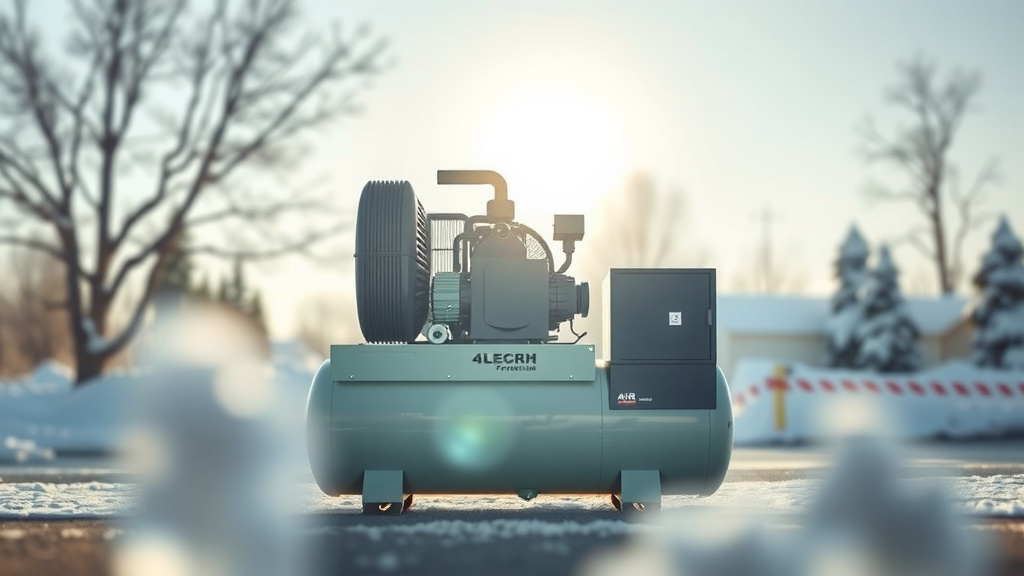
Yes, you absolutely can use an air compressor in cold weather, but it requires careful preparation and specific considerations to ensure optimal performance and prevent damage. Operating your air compressor in freezing temperatures without proper safeguards can lead to significant issues, from reduced efficiency to costly repairs.
- Using an air compressor in cold weather is possible with the right precautions.
- Cold temperatures can affect oil viscosity, increase condensation, and strain the motor.
- Always prepare your compressor by using the correct cold-weather oil and draining moisture.
- Proper maintenance and storage are key to avoiding damage during winter.
- Ignoring cold weather effects can lead to frozen components and operational failure.
Can You Use Air Compressor In Cold Weather?
You can certainly use an air compressor in cold weather, but it’s not a “set it and forget it” situation. Think of it like driving your car in winter; you need to prepare it first.
Why Cold Weather Matters for Your Air Compressor
Cold weather isn’t just uncomfortable for you; it can be tough on your air compressor too. The chill affects several critical components, impacting both its performance and its longevity. Ignoring these effects can lead to breakdowns when you need it most.
The Role of Compressor Oil
One of the biggest concerns in cold weather is your compressor’s oil. As temperatures drop, oil becomes thicker, or more viscous. Imagine trying to stir cold molasses compared to warm syrup; it’s much harder, right? This thickened oil makes the compressor motor work harder to start and run. Many experts say using a synthetic oil with a lower viscosity rating is a smart move for winter conditions (researchers found).
Some compressor owners even consider specialized cold-weather compressor oil to ensure smooth operation. It helps the internal parts move freely, reducing wear and tear, especially during startup. You want your compressor to purr, not grunt, when you turn it on.
Condensation and Moisture Issues
Cold temperatures dramatically increase condensation inside your air compressor system. Warm, moist air gets compressed, and then the cold air tanks and lines cause that moisture to condense into liquid water. This water is a silent enemy.
If this water isn’t drained, it can freeze within your air lines, valves, or even inside the air tank itself. A frozen line means no airflow, and a frozen tank can cause corrosion and rust over time. We found that proper draining is one of the most overlooked winter maintenance tasks for air compressor users.
Key Challenges of Cold Weather Operation
Operating an air compressor in cold weather presents a few distinct challenges you should know about. Being prepared for them can save you a lot of frustration and repair bills.
First, you might notice hard starting issues. The motor struggles against the thick oil, drawing more amps and putting strain on components. Second, cold air is denser, which can sometimes reduce the air output you expect. It’s a subtle effect, but important for precision tasks.
Finally, freezing components are a real risk. Beyond just water in the lines, seals and gaskets can become brittle in extreme cold. This can lead to leaks and reduced efficiency. You want everything flexible and ready to perform.
Air Compressor Oil Viscosity for Cold Weather
Choosing the right oil is perhaps the most important decision for cold weather. Here’s a simple guide to help you pick the best option for various temperature ranges:
| Temperature Range | Recommended Oil Type | Why it Works |
|---|---|---|
| Above 40°F (4°C) | Standard Compressor Oil (e.g., SAE 30) | Sufficient viscosity for warmer conditions. |
| 20°F to 40°F (-6°C to 4°C) | Synthetic Compressor Oil (e.g., 10W-30) | Maintains fluidity, reduces starting strain. |
| Below 20°F (-6°C) | Specialized Low-Temp Synthetic Oil | Designed for extreme cold, prevents thickening. |
Pre-Operation Checklist for Cold Weather
Before you even hit the power button, a quick check can make a world of difference. This checklist will help you avoid common winter pitfalls and ensure your compressor is ready for action:
- Change to winter-grade oil: Ensure your oil matches the ambient temperature.
- Drain the air tank completely: Remove all condensed water from the tank.
- Check air filters: Make sure they are clean for optimal airflow.
- Inspect air lines and connections: Look for any cracks or loose fittings that cold can worsen.
- Lubricate air tools: Add a few drops of air tool oil to prevent freezing and corrosion.
- Test pressure relief valve: Ensure it’s not frozen and functions correctly.
Tips for Storing Your Air Compressor in Winter
Proper storage is just as important as proper operation, especially if you won’t be using your compressor for extended periods. You don’t want to leave it out in the cold to fend for itself. Think of it as putting your compressor to bed for the winter.
If possible, always store your compressor indoors, in a heated garage or workshop. This keeps the oil from thickening and prevents condensation build-up. If indoor storage isn’t an option, consider a protective, insulated cover to shield it from the harshest elements. Remember to drain the tank completely before storing it, every single time.
Protecting Your Air Tools
Your air tools also need some love during the colder months. Moisture can easily get into tools, leading to rust and reduced performance. After each use, it’s a good idea to add a few drops of air tool oil into the air inlet. This simple step lubricates internal components and helps displace any lingering moisture.
The Importance of Proper Draining
Draining your air tank after every use, regardless of the weather, is good practice. In cold weather, it becomes absolutely critical. Water left in the tank will freeze, expand, and can damage the tank itself, leading to rust or even structural failure over time (according to industry guidelines).
Some compressors have automatic drain valves, which can be a lifesaver. If yours is manual, make it a habit to open that drain cock every time you finish working. You’ll be surprised how much water comes out, even on seemingly dry days. This helps keep your entire system clean and free from ice.
Understanding Air Dryer Performance in Cold
If your setup includes an air dryer, its performance can also be affected by cold. Refrigerated air dryers, for instance, rely on cooling to remove moisture. If the ambient temperature drops too low, their effectiveness might be compromised. Desiccant dryers, which use a material to absorb moisture, generally fare better in cold but still need proper maintenance.
Common Problems and Troubleshooting
Even with preparation, sometimes things go wrong. A common issue is a frozen air line. If you’re getting no air, or very little, a frozen blockage might be the culprit. You can sometimes thaw lines by bringing them into a warmer environment or gently applying a heat gun (carefully, away from flammable materials).
Motor issues, like the motor humming but not starting, often point to oil that’s too thick. If you suspect this, check your oil type and consider a warmer grade. Always consult your compressor’s manual for specific troubleshooting steps and recommended oil types. Don’t be afraid to read the instructions; they’re there to help!
When to Consider a Heated Enclosure
For those living in extremely cold climates or operating compressors in unheated outdoor environments, a heated enclosure might be a worthwhile investment. These enclosures maintain a warmer ambient temperature around the compressor, ensuring the oil stays fluid and preventing freezing. It’s like giving your compressor its own little heated cabin.
Conclusion
Operating an air compressor in cold weather is definitely doable, but it demands your attention and a proactive approach. By understanding how the cold affects your equipment, changing to appropriate lubricants, regularly draining moisture, and storing it properly, you can ensure your compressor performs reliably all winter long. Don’t let a little chill sideline your projects; with these tips, you’re ready to tackle any task.
Can I leave my air compressor outside in the winter?
It is generally not recommended to leave your air compressor outside in freezing winter conditions. Cold temperatures can cause the oil to thicken, making startup difficult and straining the motor, while moisture inside the tank and lines can freeze, leading to rust or damage to components. Ideally, store it in a heated garage or shed.
What kind of oil should I use in my air compressor in winter?
For winter operation, you should switch to a synthetic compressor oil with a lower viscosity rating, such as a 10W-30 or a specialized low-temperature oil. This type of oil maintains its fluidity better in cold conditions, reducing strain on the motor during startup and ensuring proper lubrication of moving parts.
How often should I drain my air compressor tank in cold weather?
In cold weather, you should drain your air compressor tank after every single use, or at least daily if used frequently. Cold temperatures dramatically increase condensation, and any water left in the tank can freeze, expand, and cause significant internal damage or rust.
Can a frozen air compressor be damaged?
Yes, a frozen air compressor can absolutely be damaged. Water freezing inside the tank, air lines, or valves can expand and crack components. It can also lead to corrosion and rust within the tank, shortening its lifespan and potentially causing structural failure. Avoid freezing at all costs through proper drainage.
What are the signs that my air compressor is struggling in the cold?
Signs your air compressor is struggling in the cold include the motor humming but not starting, slow or difficult startups, reduced air pressure output, and unusual noises during operation. You might also notice frost or ice around drain valves or air lines, indicating frozen moisture within the system.
