
Can You Leave An Air Compressor Outside?
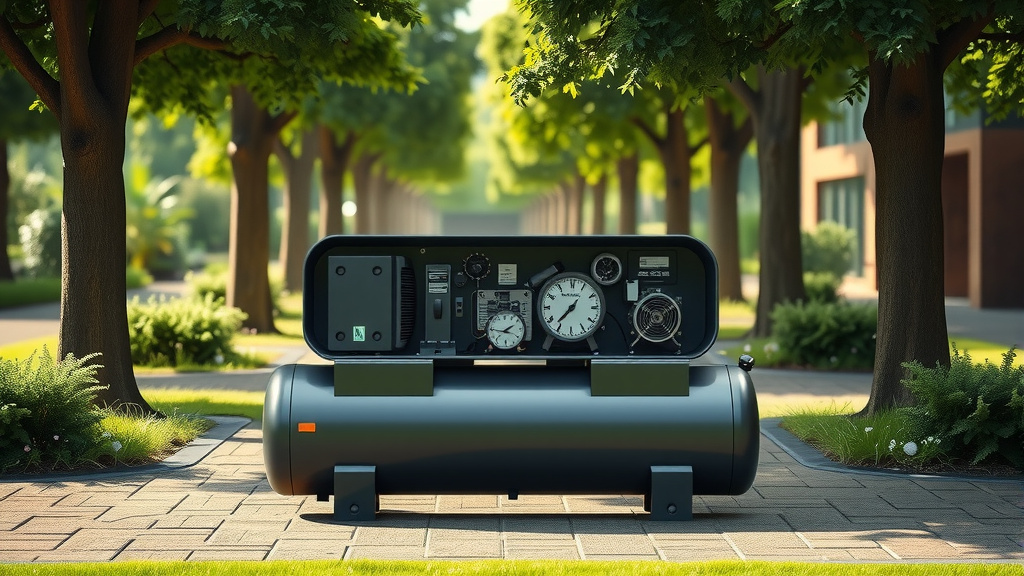
Leaving an air compressor outside is generally not recommended due to potential damage from weather, temperature extremes, security risks, and noise concerns.
Exposure to rain, snow, humidity, and varying temperatures can significantly shorten your air compressor’s lifespan and compromise its performance.
- It’s almost always a bad idea to leave your air compressor outside for long.
- Weather elements like rain, snow, and humidity cause rust and electrical issues.
- Extreme temperatures, both hot and cold, damage internal components and oil.
- Outdoor compressors are also easier targets for theft and can create noise problems.
- Indoor storage in a garage or shed offers the best protection and longest life.
Can You Leave An Air Compressor Outside?
You really shouldn’t leave your air compressor outside for extended periods. The elements are its worst enemy, and consistent exposure leads to expensive problems.
Understanding the Risks of Outdoor Storage
Thinking about parking your trusty air compressor out in the yard? You might want to reconsider. Many experts point out that outdoor storage introduces numerous challenges and risks that can severely impact your machine.
Weather Woes: Rain, Snow, and Humidity
Imagine your hair dryer left out in the rain – not good, right? Your air compressor faces similar dangers. Rain and snow can cause electrical shorts and severe rust on its metal parts (Cleveland Clinic). Humidity, even without direct rain, silently promotes internal corrosion.
Water can infiltrate the tank, leading to rust from the inside out. This rust weakens the tank, creating a serious safety hazard. We found that moisture is a silent killer for air compressor longevity.
Temperature Extremes: Hot and Cold
Air compressors don’t like drastic temperature swings. In winter, extremely cold temperatures can cause any moisture inside the air lines or tank to freeze, potentially leading to cracked lines or damaged valves. The oil also thickens, making startup much harder (Manufacturer guidelines often warn about this).
During scorching summers, excessive heat can cause the motor to overheat and the oil to break down faster. This puts extra strain on internal components, reducing their lifespan. Just like people, machines prefer a stable, mild environment.
The Threat of Rust and Corrosion
Rust isn’t just an ugly brown stain; it’s a structural threat. An air compressor tank under pressure with rust inside is a ticking time bomb. It can lead to tank failure, which is extremely dangerous and catastrophic (OSHA safety notes frequently address pressure vessel integrity).
Beyond the tank, rust attacks fittings, hoses, and electrical connections. This can lead to air leaks, inefficient operation, and costly repairs down the road. Protecting your investment means protecting it from rust.
Security Concerns: Theft and Vandalism
An air compressor left outside is an easy target. Whether it’s a small portable unit or a larger industrial one, it’s a valuable piece of equipment. We know that theft and vandalism are real risks when items are unsecured.
Think about the peace of mind. Keeping your compressor indoors reduces the chance of someone walking off with it or intentionally damaging it. Security is often overlooked until it’s too late.
Noise Pollution for Neighbors
Air compressors, especially when running, can be quite loud. If you’re using or storing your compressor outside, the noise can easily carry. This might lead to unhappy neighbors and potential complaints, especially in residential areas.
Many areas have noise ordinances that could affect you. Keeping your compressor inside a garage or shed helps to muffle the sound, making for a more peaceful environment for everyone.
When is Outdoor Storage *Possibly* Okay?
While generally discouraged, there are rare exceptions. Some heavy-duty industrial compressors are built with weather-resistant enclosures. These are purpose-built machines designed for rugged environments, unlike typical shop models.
For most homeowner or small workshop units, “possibly okay” usually means “very short-term use under direct supervision.” You might use it outdoors for a project, but then it comes right back inside. Think of it like taking your indoor cat for a walk; it’s fine for a bit, but it shouldn’t live outside.
Industrial-Grade vs. Portable Units
Industrial-grade air compressors are often enclosed in robust, weather-sealed cabinets. They have advanced filtration and protection systems built in. Your average portable compressor, however, is much more vulnerable to the elements.
Small portable units, designed for ease of movement, lack the heavy-duty weatherproofing. Their components are more exposed, making them susceptible to environmental damage. Knowing the difference in construction is key.
The Role of Protective Covers
A heavy-duty cover might offer some minimal, temporary protection from light rain or dust. However, it’s not a solution for long-term outdoor storage. Covers can trap humidity underneath, ironically promoting rust and mildew. They are a bandage, not a permanent fix.
Think of a car cover – it protects from dust in a garage but doesn’t make your car weather-proof if left outside for months. Covers offer limited defense against extreme temperatures or sustained moisture.
Best Practices for Temporary Outdoor Use
If you absolutely must use your compressor outside for a project, follow some smart guidelines. This helps to minimize potential damage and keep your machine running smoothly. Always think about short-term protection.
- Always keep the compressor on a stable, dry surface, off the ground.
- Use it only on clear, dry days; avoid rain, snow, or high humidity.
- Ensure it’s protected from direct sunlight to prevent overheating.
- Immediately drain the air tank after each use to remove condensation.
- Unplug and bring it indoors as soon as your task is complete.
Ideal Storage Solutions for Your Compressor
The best place for your air compressor is almost always indoors. A garage, workshop, or dedicated shed provides the perfect environment for protection. These spaces shield it from harsh weather and theft.
Indoor storage keeps your compressor at a more consistent temperature, protecting the oil and internal components. It also helps prevent dust and debris from entering critical areas. Your compressor will thank you with longer, more reliable service.
Maintaining Optimal Conditions Indoors
Even indoors, a little attention goes a long way. Aim for a dry, well-ventilated area that isn’t prone to extreme temperature swings. If your garage gets very humid, consider a dehumidifier (Many sources like Consumer Reports suggest controlling humidity for tool longevity).
Keeping the area clean also helps. Dust and dirt can clog air filters and cause motors to work harder. A clean, stable indoor environment is the secret to a long compressor life.
A Quick Comparison: Outdoor vs. Indoor Storage
Let’s quickly compare the two storage options to help you visualize the trade-offs. It often boils down to convenience versus longevity and safety.
| Feature | Outdoor Storage | Indoor Storage |
|---|---|---|
| Weather Protection | Minimal to none; high risk of damage. | Excellent; fully shielded from elements. |
| Temperature Control | Exposed to extremes (hot/cold). | More stable and moderate temperatures. |
| Security | High risk of theft/vandalism. | Low risk; more secure. |
| Lifespan & Maintenance | Shorter lifespan; more frequent issues. | Longer lifespan; fewer problems. |
| Noise Impact | Higher noise pollution for surroundings. | Muffled noise; less impact on neighbors. |
Checklist for Safe Air Compressor Placement
To ensure your air compressor operates safely and lasts for years, use this quick checklist. It helps you quickly review the best practices for placement and care.
- Is it located indoors (garage, shed, workshop)?
- Is the area dry and free from humidity?
- Is the temperature stable, avoiding extremes?
- Is it protected from direct sunlight?
- Is it on a clean, level surface?
- Is there good ventilation around the unit?
Conclusion
While the idea of leaving your air compressor outside might seem convenient, the risks far outweigh any temporary benefits. Your air compressor is a valuable tool, and like any valuable tool, it needs proper care and protection. Exposure to weather, temperature extremes, and security threats can lead to premature failure, costly repairs, and even safety hazards. Investing a little effort in storing your compressor indoors will ensure it remains reliable and efficient for many years to come, ready to tackle any project you throw its way.
Can an air compressor explode if left outside?
While an air compressor is unlikely to “explode” just from being left outside, extreme rust inside the tank can weaken it significantly. If this weakened tank is then pressurized, it could fail catastrophically, which is an extremely dangerous event similar to an explosion. This is why proper rust prevention and indoor storage are so important for safety.
What temperature is too cold for an air compressor?
Most standard air compressors are not designed to operate or be stored in temperatures below freezing (0°C or 32°F). Extremely cold temperatures can cause moisture inside the tank and lines to freeze, potentially damaging components and making the compressor difficult to start due to thickened oil. Always check your compressor’s manual for specific operating temperature ranges.
Does condensation build up faster in an outdoor air compressor?
Yes, condensation can definitely build up faster in an air compressor left outdoors, especially in humid conditions or areas with significant temperature swings between day and night. When warm, moist air is compressed and then cools, water vapor condenses into liquid water inside the tank. Outdoor temperature fluctuations only amplify this effect, making frequent draining of the tank even more crucial.
How do I protect my air compressor if I must use it outdoors sometimes?
If you absolutely must use your air compressor outdoors for short periods, choose a dry, clear day and keep it on a raised, stable platform to avoid ground moisture. Position it out of direct sunlight and cover it with a breathable tarp to prevent dust and light splashes. Most importantly, bring it back inside as soon as the task is finished and drain the tank thoroughly.
Are there air compressors specifically designed for outdoor storage?
Yes, certain industrial-grade air compressors are engineered with robust, weather-resistant enclosures and specialized components that allow for outdoor placement. These units are typically much larger, more expensive, and designed for heavy-duty commercial or industrial applications where indoor space is not feasible. Standard portable and workshop compressors are generally not built for such conditions.
