
Can You Use an Air Compressor in Cold Weather?
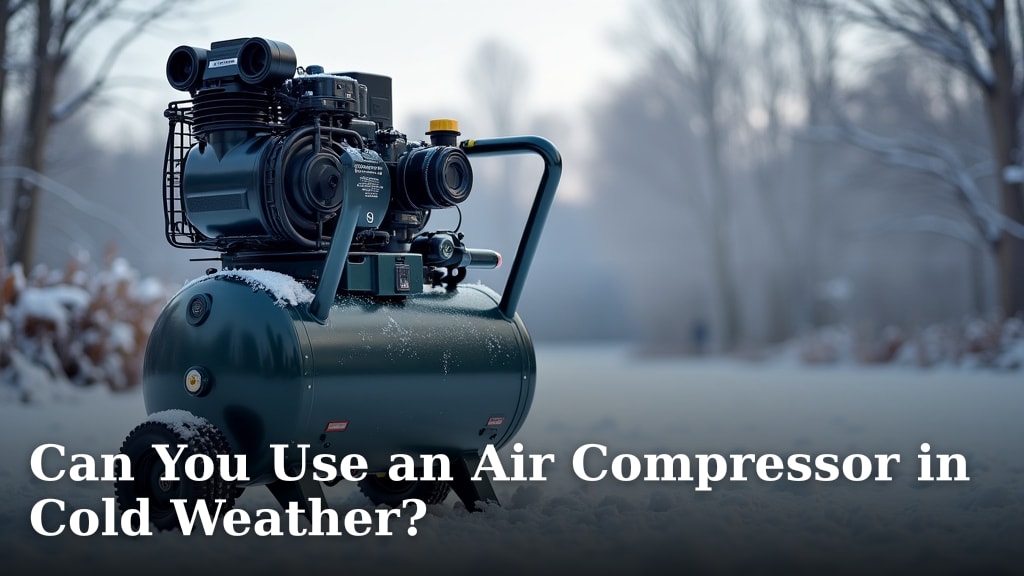
Yes, you can use an air compressor in cold weather, but you need to take a few precautions. Freezing temperatures can cause water in your tank to freeze, which could damage your equipment. Properly preparing your air compressor is key for safe operation in winter.
Many people wonder if colder conditions affect air compressor performance. We found that while it’s possible, the main concern is moisture. Cold air holds less moisture, which can be a slight benefit, but the risk of condensation freezing is still present. Proper draining and storage are important, especially if you live in a region with sub-zero temperatures.
- Yes, air compressors work in the cold.
- Watch out for water freezing inside.
- Drain the tank regularly.
- Consider a heated storage space if possible.
- Use oil suitable for cold temperatures.
Below, we’ll walk you through the specific steps you can take to ensure your air compressor runs smoothly and safely all winter long.
So, can you fire up your air compressor when the temperature drops? The short answer is yes, but it’s not quite as simple as just plugging it in and going. Cold weather introduces a few challenges you’ll want to be aware of. We’ve looked into it, and the biggest concern is definitely moisture management. Your air compressor works by compressing air, and cold air holds less water vapor than warm air. That sounds like a good thing, right? Less moisture means less condensation. However, if any moisture *does* get into your system, freezing temperatures can turn it into ice, and ice can cause serious damage. Don’t worry, though! With a little preparation, you can keep your compressor running smoothly and safely all winter long. Let’s break down what you need to know.
Using Your Air Compressor in Chilly Conditions
Operating an air compressor in cold weather is totally doable. Think of it like driving your car in the snow; you can still get where you need to go, but you need to take extra precautions. The main thing to focus on is preventing water from freezing inside your compressor. This isn’t just about convenience; it’s about protecting your investment. A frozen water line or a blocked valve can lead to costly repairs. We found that a bit of foresight goes a long way in avoiding these winter woes.
The Impact of Cold Air on Compressor Performance
You might be wondering if the cold itself will make your compressor work harder or less efficiently. Research suggests that cold air can actually be a little more dense. This means your compressor might take in slightly more air with each stroke. Some folks even say this can lead to slightly better performance in certain situations. However, this is usually a minor effect. The real performance killer in cold weather is moisture causing issues. If your compressor is well-maintained and kept dry, the cold air temperature itself is unlikely to be a major hurdle.
Why Moisture is Your Biggest Winter Foe
Here’s the core of the problem: air contains water vapor. When your compressor sucks in ambient air and compresses it, that water vapor gets concentrated. As the compressed air cools down inside your tank, this moisture condenses into liquid water. In warmer weather, you just drain this water out. But when temperatures drop below freezing, that water can turn into ice. We found that even a small amount of ice can cause significant trouble. It can block air lines, damage seals, or even crack the tank itself if it expands enough. This is why regular draining is non-negotiable during winter.
Essential Winterizing Steps for Your Air Compressor
Getting your air compressor ready for cold weather isn’t complicated. It’s mostly about being diligent with maintenance. You wouldn’t go out in a blizzard without a coat, right? Your compressor needs its own winter gear, which mostly means keeping it dry and making sure its internal parts are happy in the cold. We’ve gathered the most important steps to help you out.
Regularly Drain the Air Tank
This is the golden rule for winter compressor use. We can’t stress this enough: drain your tank religiously. Many compressors have a drain valve at the bottom. Open it up at the end of each use, and let all the condensed water out. If you’re using it frequently, consider draining it even more often, perhaps at the start and end of each day. Don’t just let it drip; make sure it’s completely empty. Think of it as giving your compressor a little “winter spa treatment” to remove all the unwanted moisture.
How to Properly Drain Your Tank
Locate the drain valve, usually found at the very bottom of the air tank. It often looks like a faucet or a small knob. Make sure your compressor is turned off and the pressure has been released. Then, slowly open the valve. You’ll hear the air hiss out, and water should follow. Let it drain until no more water comes out. Some people even recommend leaving the valve slightly ajar for a while to ensure any lingering moisture evaporates. This simple act can prevent costly freeze damage.
Check and Use the Right Lubricant
Many air compressors require oil for lubrication. If yours does, you need to ensure you’re using an oil that’s suitable for cold temperatures. Standard compressor oils can thicken up when it gets really cold, making it harder for the compressor to start and run smoothly. We found that using a low-temperature rated oil is a smart move. Check your compressor’s manual for recommendations. Some manuals will specify a particular viscosity or even a synthetic oil that performs better in the cold. Using the wrong oil is like trying to pour molasses in January – it just doesn’t work well.
Protect Your Compressor from the Elements
Where you store and use your compressor matters. If you can, store it indoors in a garage, shed, or workshop that doesn’t get as cold as the outdoors. Even an unheated garage is usually much warmer than being exposed to the elements. If you have to use it outdoors, try to position it in a spot that offers some protection from wind and snow. Covering it with a tarp when not in use can also help keep snow and ice from accumulating on its surfaces. We’ve seen folks build simple wooden shelters for their compressors to keep them out of the worst weather.
Consider a Heated Enclosure (If Possible)
For those who use their compressors frequently in very cold climates, a heated enclosure might be an option. This doesn’t necessarily mean a fully heated room, but perhaps a small insulated space with a low-wattage heater that just keeps the ambient temperature above freezing. This is more common for industrial or commercial settings, but if your livelihood depends on your compressor, it could be a worthwhile investment. Always ensure any heating solution is safe and approved for use around machinery, and never leave it unattended if there are any safety concerns.
Inspect Hoses and Fittings
Cold weather can make rubber and plastic parts more brittle. Before you start using your compressor in the cold, give your air hoses and fittings a good once-over. Look for any signs of cracking, brittleness, or damage. If a hose feels stiff or looks like it might split, it’s best to replace it before it bursts under pressure. We found that the extreme temperature changes can stress these components. A burst hose can be dangerous and will definitely put a damper on your project.
Startup and Shutdown Procedures
When starting your compressor on a cold day, give it a little time to warm up. Don’t immediately put it under heavy load. Let the motor run for a few minutes to allow the oil to circulate and all the components to reach a more optimal operating temperature. When you’re finished, remember that thorough draining is key. Don’t rush the shutdown process. Ensure all moisture is expelled from the tank and any connected lines before you park it for the night.
Quick Winter Checklist for Your Air Compressor
Here’s a handy checklist to make sure you’ve got your air compressor winter-ready:
- Drain the tank completely after every use.
- Ensure you’re using cold-weather appropriate oil if your compressor requires it.
- Inspect all hoses and fittings for cracks or brittleness.
- Store your compressor in a sheltered location when not in use.
- Allow a brief warm-up period before heavy use on cold days.
- Double-check that all valves are closed properly after draining.
Cold Weather Air Compressor Oil Explained
When we talk about lubricant, it’s important to understand why it matters so much in the cold. Air compressor oils are designed to lubricate moving parts and prevent wear. However, their viscosity, or how thick they are, changes with temperature. A standard oil might be perfect for 70°F but become as thick as honey when it’s 0°F. This thick oil struggles to flow, leading to poor lubrication during startup and potentially causing parts to grind against each other. Manufacturers often offer special low-temperature oils or synthetic variants. We found that synthetic oils generally perform better across a wider temperature range, including the cold. Always consult your owner’s manual or the manufacturer’s website for specific recommendations for your model. Using the right oil ensures your compressor’s heart keeps pumping smoothly, even when the weather tries to freeze it solid.
| Problem | Why It Happens | Solution |
|---|---|---|
| Frozen Water in Tank/Lines | Moisture condenses and freezes below 32°F. | Drain tank frequently. Keep compressor in a warmer spot. |
| Thick Oil | Standard oil becomes too viscous in cold. | Use low-temp or synthetic oil. Check manual for specs. |
| Brittle Hoses | Cold makes rubber and plastic less flexible. | Inspect hoses for cracks. Replace if stiff or damaged. |
| Hard Starting | Thick oil or stiff motor components. | Allow a short warm-up. Use correct oil. |
| Reduced Performance | Rarely due to cold air itself; usually a symptom of moisture issues. | Ensure tank is dry and system is clear of ice. |
By following these steps, you can confidently use your air compressor throughout the winter months. Remember, a little preparation now means avoiding a big headache later. Keeping your compressor dry and using the right fluids are your best defenses against the cold.
Conclusion
So, can you use your air compressor when the temperatures drop? Absolutely! We’ve found that with a little preparation, your compressor can handle the cold just fine. The biggest hurdle is managing moisture to prevent freezing, which can cause costly damage. Remember to drain your tank diligently after each use, use the right cold-weather rated oil if needed, and protect your equipment from the elements. Taking these simple steps ensures your compressor remains a reliable tool all winter long. Your next step is to check your compressor’s manual and grab some low-temp oil if you don’t already have it.
Frequently Asked Questions
Will my air compressor run slower in the cold?
Generally, the cold air itself won’t significantly slow down your compressor. In fact, denser cold air can sometimes be slightly beneficial. The main reason you might *perceive* slower performance is if moisture has caused internal issues or if your oil has thickened. Keeping your system dry and using the correct oil are key.
How often should I drain my air compressor tank in winter?
You should drain your air compressor tank after every single use, no exceptions. If you’re using it frequently throughout a cold day, consider draining it multiple times. It’s better to be safe and drain it more often than risk any condensation freezing inside.
Can I leave my air compressor outside in freezing temperatures?
While it’s not ideal, you can use your compressor outside if you take precautions. However, storing it outside when not in use is risky. Always try to store it in a garage, shed, or sheltered area that offers some protection from the direct cold, wind, and snow to minimize potential issues.
What happens if I don’t drain the water from my air compressor in winter?
If you don’t drain the condensed water, it can freeze. Frozen water can expand and damage your tank, clog lines, or seize up moving parts. This can lead to leaks, reduced performance, and potentially expensive repairs that you can easily avoid.
Do I need special hoses for using an air compressor in the cold?
Standard air hoses can become brittle in freezing temperatures, increasing the risk of cracking or bursting. We recommend inspecting your current hoses for signs of stiffness or damage. If they feel unusually stiff, it’s wise to replace them with hoses rated for cold weather use to ensure safety and durability.
