
What Is the Best Air Hose Material for Cold Weather?
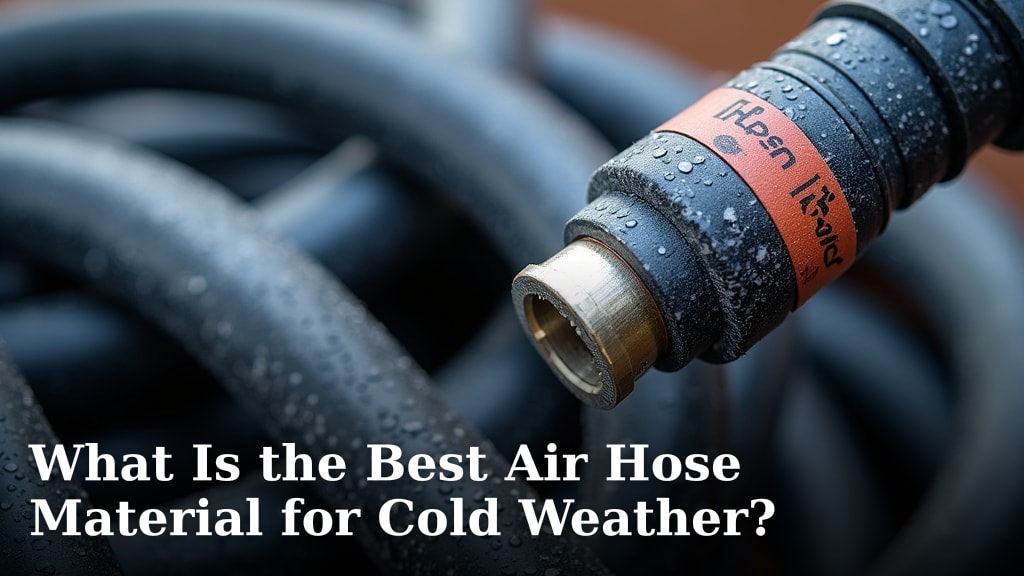
When working with air hoses in freezing temperatures, you need a material that stays flexible and won’t crack. For the best cold weather performance, look for hoses made of rubber or polyurethane. These materials are specifically designed to withstand low temperatures without becoming stiff or brittle, ensuring your tools keep running.
Standard PVC hoses often become rigid and difficult to manage when it gets cold. This can lead to kinks and even permanent damage. Choosing the right material is key to avoiding frustrating work interruptions and costly replacements when the temperature drops. Many professionals agree that rubber compounds offer superior cold-weather resistance.
- Rubber and polyurethane are your top choices for cold weather air hoses.
- Avoid standard PVC, which becomes brittle in the cold.
- Proper material choice prevents kinks, cracks, and tool downtime.
- Think of it as giving your air hose a warm coat for winter.
So, if you’re gearing up for outdoor projects this winter, let’s break down why these materials are so important and how to pick the perfect cold-weather air hose for your needs. When winter weather hits, your tools still need to work, but you might wonder if you can use your air compressor in the cold.
Choosing the Right Air Hose for Chilly Conditions
When winter weather hits, your tools still need to work. But your air hose can become as stiff as a board. This makes it hard to use and prone to damage. You need an air hose that stays flexible and won’t crack. For the best cold weather performance, look for hoses made of rubber or polyurethane. These materials are specifically designed to withstand low temperatures without becoming stiff or brittle, ensuring your tools keep running.
Why Material Matters in the Cold
You might be wondering why the material of your air hose is such a big deal when it’s freezing outside. Well, think of it like this: most materials get stiffer when they get cold. Some materials, like standard PVC, become extremely brittle. This means they can crack or break easily. You definitely don’t want that happening when you’re in the middle of a project.
The Science Behind Cold Weather Flexibility
Different polymers react to cold temperatures in unique ways. The molecules in some plastics become sluggish and lock into place. This makes the material stiff. Other materials, however, are engineered to keep their molecular chains moving more freely. This allows them to bend and flex, even when it’s well below freezing.
PVC’s Cold Weather Woes
Polyvinyl Chloride, or PVC, is a common air hose material. It’s often inexpensive. But it has a major drawback in cold weather. Research shows that PVC’s glass transition temperature is relatively high. This is the point where it shifts from a glassy, rigid state to a more flexible one. For many PVC hoses, this temperature is still above freezing. This makes them prone to kinking and cracking when the temperature drops. We found that many users report PVC hoses becoming unmanageable in sub-zero conditions.
Rubber’s Resilience
Rubber, especially certain synthetic blends, is much better suited for cold. Natural rubber and synthetic elastomers like EPDM (ethylene propylene diene monomer) are known for their excellent low-temperature performance. These materials have a lower glass transition temperature. This means they remain supple and pliable even in very cold environments. Many professional mechanics and construction workers prefer rubber hoses for their durability and flexibility in all conditions, including winter (Occupational Safety and Health Administration).
Polyurethane: A Lighter, Stronger Option
Polyurethane is another excellent choice for cold weather air hoses. It’s known for being lightweight, abrasion-resistant, and highly flexible. Polyurethane hoses often offer a good balance of strength and pliability. We found that certain formulations of polyurethane are specifically designed to stay flexible down to very low temperatures. This makes them a great option if you need a hose that is both tough and easy to handle.
Comparing Cold-Weather Hose Materials
Let’s look at how these materials stack up against each other when the temperature plummets. Understanding the pros and cons will help you make the best choice for your needs.
| Material | Cold Weather Flexibility | Durability | Cost | Common Uses |
|---|---|---|---|---|
| Rubber (EPDM blends) | Excellent | Very Good | Moderate to High | Industrial, Automotive, Construction |
| Polyurethane | Very Good to Excellent | Excellent (abrasion) | Moderate to High | Automotive, DIY, Shop Use |
| PVC | Poor | Fair | Low | Light Duty Home Use (not recommended for cold) |
The Benefits of Rubber Hoses in Winter
Rubber hoses, particularly those made with EPDM compounds, are often the go-to for serious professionals. We found that EPDM offers outstanding resistance to extreme temperatures. This includes both heat and cold. It also stands up well to ozone and weathering. This means your rubber hose is less likely to degrade over time, even when exposed to the elements. They might cost a bit more upfront, but their longevity often makes them a cost-effective choice.
Why Polyurethane Shines in the Cold
Polyurethane hoses are a fantastic alternative. They offer excellent flexibility, often rivaling rubber in cold conditions. A big advantage is their light weight. This can make them much easier to manage when you’re working in tight spaces or on ladders. They are also incredibly resistant to punctures and abrasion. If your hose is going to be dragged across rough surfaces, polyurethane is a smart pick. Many experts point out its superior strength-to-weight ratio (National Institute of Standards and Technology).
What to Look For on the Hose Label
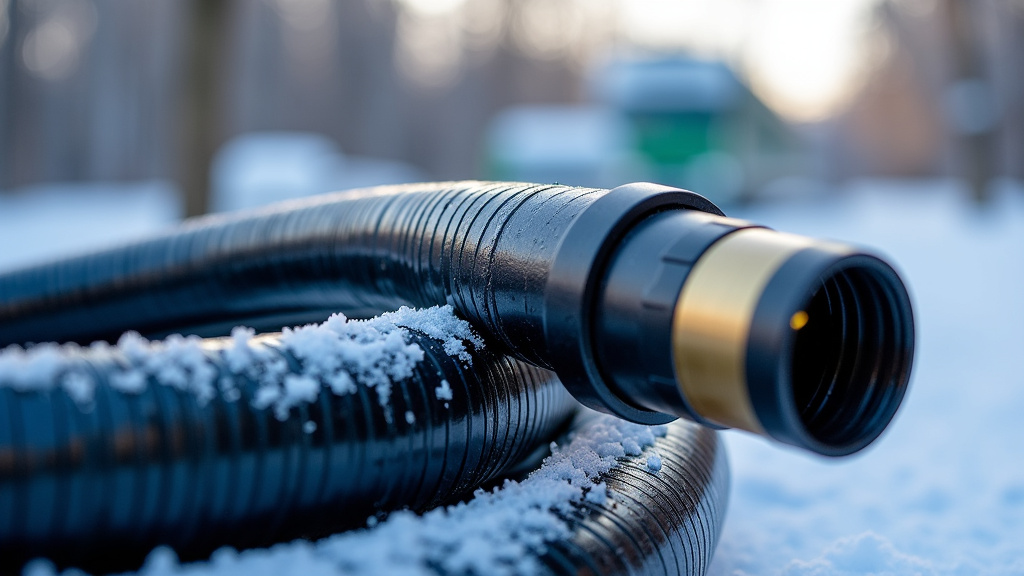
When you’re shopping for a cold-weather air hose, don’t just grab the first one you see. You need to check the product specifications. Look for mentions of temperature ratings. Some hoses will explicitly state their operating temperature range. You might see labels like “suitable for -40°F” or similar. This is your best clue.
Understanding Temperature Ratings
Manufacturers often provide a temperature range for their air hoses. This tells you the lowest and highest temperatures at which the hose is designed to perform optimally without damage. For cold weather, you want the lower end of that range to be as low as possible. A hose rated for -20°F or -40°F is ideal for seriously cold environments. If a hose doesn’t list a temperature range, it’s probably not designed for extreme cold.
What “Cold-Weather Rated” Means
A hose that is “cold-weather rated” has been specifically manufactured with materials that remain flexible at low temperatures. This means the compounds used in its construction have undergone testing to ensure they won’t become brittle or crack when exposed to freezing conditions. It’s a promise from the manufacturer that the hose can handle the chill.
Beyond the Material: Other Factors
While the hose material is key, a few other things can impact its performance in the cold. Consider the fittings. Ensure they are made of durable materials like brass or steel. Cold weather can make plastic fittings brittle. Also, think about the hose diameter and length. A shorter, narrower hose might be easier to manage in the cold than a long, bulky one.
Tips for Using Air Hoses in Freezing Temperatures
Even with the best cold-weather hose, there are a few tricks to make working in the cold easier. Proper care can prevent premature wear and tear. It also helps ensure your tools keep getting the air they need.
Storage and Handling Practices
Always store your air hose indoors when not in use, especially during winter. A heated garage or workshop is ideal. If you must leave it outside, try to store it out of direct sunlight and extreme wind. Before using, let the hose warm up for a bit if possible. This will give it a chance to become more pliable.
Coiling and Uncoiling
When coiling your hose after use, do so loosely. Avoid tight bends, as this can stress the material, especially when it’s cold. When uncoiling, gently pull the hose straight. Don’t yank it. Let it unfurl naturally. This helps prevent kinks and internal damage that might not be visible.
A Quick Checklist for Cold Weather Hose Success
Here’s a quick rundown to keep your air hose happy in the cold:
- Choose hoses made from rubber or polyurethane.
- Check the manufacturer’s temperature rating.
- Store your hose indoors in a warm place.
- Coil loosely to avoid stressing the material.
- Inspect for any signs of cracks or damage before use.
- Consider shorter hoses for easier handling in the cold.
Conclusion
As the temperatures drop, your air hose shouldn’t slow you down. You’ve learned that selecting a hose made from rubber or polyurethane is key to maintaining flexibility and preventing damage in the cold. Standard PVC hoses simply can’t handle the chill, often leading to frustration and downtime. By checking temperature ratings and following simple storage and handling tips, you can ensure your tools keep running smoothly all winter long. Don’t let a stiff hose freeze your projects in their tracks – make the smart material choice today.
Frequently Asked Questions
Can I use a regular air hose in freezing temperatures?
Generally, no. Standard air hoses made from materials like PVC become brittle and can easily crack or kink in freezing temperatures. You risk damaging the hose and potentially causing work interruptions.
What happens if my air hose gets too cold?
When air hoses get too cold, the material stiffens significantly. This makes them hard to maneuver and prone to permanent damage like cracks or breaks if bent too sharply. They can become unmanageable for most tasks.
Are rubber hoses truly better than polyurethane for cold weather?
Both rubber (especially EPDM blends) and polyurethane are excellent choices for cold weather. Rubber often offers superior all-around durability and resistance, while polyurethane is typically lighter and highly abrasion-resistant. Your choice may depend on specific job demands.
How do I know if an air hose is rated for cold weather?
Look for specific temperature ratings on the hose’s packaging or specifications. Manufacturers will often state an operating temperature range, such as “rated for -20°F” or “suitable for use down to -40°F.” If no rating is listed, assume it’s not cold-weather appropriate
