
How To Remove Golf Grips With Air Compressor?
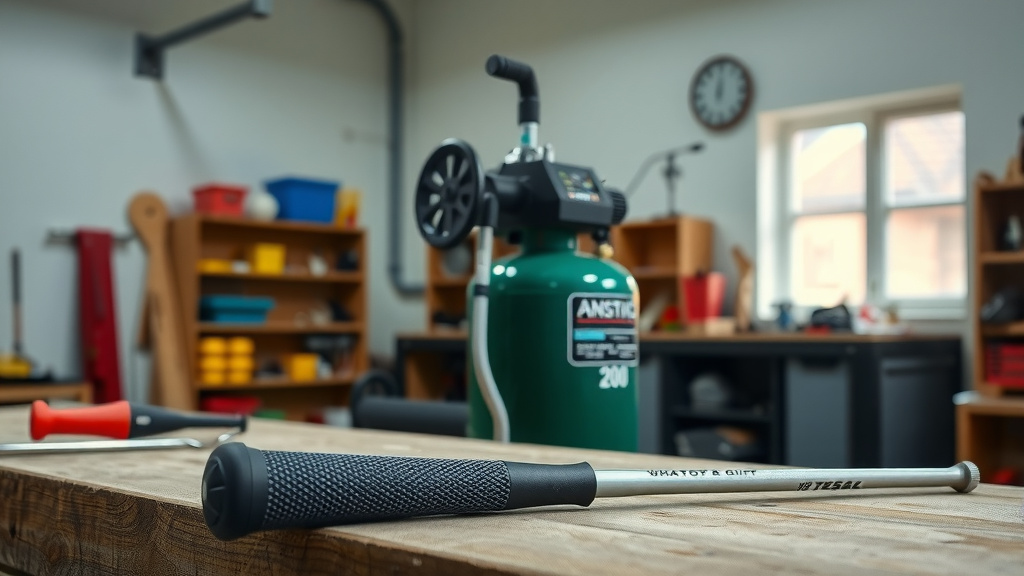
Removing golf grips with an air compressor involves injecting compressed air under the grip’s opening, creating a cushion of air that loosens its bond to the shaft.
This method allows for quick, clean golf grip removal without messy solvents, making it a popular choice for regripping clubs efficiently.
Here’s a quick overview of what you’ll find:
- An air compressor removes golf grips by creating a thin layer of air.
- This method is clean, mess-free, and often saves you time.
- You’ll need an air compressor, a blow gun nozzle, and a firm hand.
- Apply gentle, consistent air pressure to avoid club damage.
- Many golf enthusiasts find this technique allows for grip reuse.
How To Remove Golf Grips With Air Compressor?
You can remove golf grips with an air compressor by inserting an air nozzle under the grip lip and slowly applying air pressure. The air inflates the grip, separating it from the shaft’s adhesive.
Why Use Air for Grip Removal?
Tired of sticky solvents and struggling with old grips? Using an air compressor offers a refreshing change.
It’s often seen as a **cleaner and faster alternative** to traditional methods. We found that many golfers prefer it for its simplicity.
The Magic of Air Pressure
Think of it like blowing up a balloon inside a tube. The compressed air gets trapped between the grip and the shaft.
This creates a thin, slippery cushion of air. This cushion temporarily breaks the grip’s bond, allowing it to slide off easily.
Getting Your Tools Ready
Before you start, gather your equipment. Having everything at hand makes the process smoother and safer for you.
You will need an air compressor, an air gun with a narrow nozzle, and your golf club, of course.
Essential Compressor Specs
You don’t need a giant industrial compressor for this job. A smaller, portable unit often works perfectly.
Many experts recommend a compressor that can provide about 60-80 PSI (pounds per square inch) of pressure. Too much PSI can cause issues, as we found in our research.
The Right Nozzle Matters
A standard air blow gun with a narrow, pointed nozzle is usually your best bet. This helps direct the air precisely.
Some golfers even use a custom rubber tip to prevent scratching the club shaft. Protecting your club is always a good idea.
Step-by-Step Guide to Air Grip Removal
Ready to get those old grips off? Let’s walk through the steps together, making sure you feel confident with each move.
This process is straightforward, but precision helps immensely.
Prepping Your Club
First, make sure your club is clean. A little dirt or debris can sometimes hinder the process.
You might also want to protect the vice if you’re holding the club. A simple cloth can prevent any marks.
Finding the Sweet Spot
Hold the club firmly, perhaps in a vice with a shaft protector. Locate the tiny hole at the butt end of your grip.
If there isn’t a hole, gently lift the very edge of the grip, just enough to insert the nozzle slightly underneath. This is where the air goes.
The Gentle Push
Insert the nozzle tip carefully under the grip’s lip or into the butt-end hole. Keep it angled slightly down the shaft.
Slowly apply short bursts of air, about 40-60 PSI. You should hear the air moving and feel the grip expand slightly.
Twist and Pull
As the air inflates the grip, gently twist and pull the grip off the shaft. It should slide off with relative ease.
If it feels stuck, try another short burst of air. Patience is your ally here; don’t force it too much.
Common Mistakes to Avoid
Like any DIY task, there are a few pitfalls. Knowing what to watch out for can save you headaches and potential damage.
We’ve gathered insights from many experienced golf technicians to share these tips with you.
Too Much Pressure?
Blasting too much air pressure too quickly can be counterproductive. It might cause the grip to rupture or even damage the shaft.
Many experts say to start low and increase pressure gradually. This gives you better control.
Not Enough Air?
On the other hand, insufficient air pressure won’t create that necessary cushion. The grip simply won’t budge.
If you’re struggling, check your compressor’s PSI setting. A small adjustment can make a big difference.
When to Choose Air vs. Other Methods
The air compressor method is popular, but it’s not the only way. Let’s compare it to traditional solvent methods.
Knowing the differences can help you decide which approach suits your needs best.
| Method | Pros | Cons |
|---|---|---|
| Air Compressor | Clean, quick, grips often reusable, no solvents. | Requires air compressor, some practice needed. |
| Solvent Method | Widely accessible, no special equipment beyond solvent. | Messy, strong odors, grips usually not reusable. |
Benefits of This Method
Using an air compressor to remove grips brings several advantages. It’s often a much cleaner experience for you.
It also means you avoid sticky cleanup, which is a big plus for many golfers (PGA.com often highlights efficiency in maintenance).
- Clean and Dry: No messy liquids or residue left on the shaft.
- Time-Saving: Grips come off quickly, letting you move on to regripping faster.
- Grip Preservation: If you’re careful, the old grip can sometimes be reused.
- Environmentally Friendly: Reduces the need for chemical solvents.
Is Air Compressor Removal Right For You?
Before you commit, consider if this method fits your situation. It’s not for everyone, but it has distinct advantages.
Here’s a quick checklist to help you decide:
- Do you already own an air compressor, or can you easily access one?
- Are you looking for a mess-free way to remove grips?
- Do you want to potentially reuse your old grips?
- Are you comfortable working with basic power tools?
- Do you prefer a quicker alternative to traditional methods?
Conclusion
Removing golf grips with an air compressor can truly be a game-changer for your club maintenance routine. It offers a clean, efficient, and often reusable way to refresh your clubs without the mess of traditional solvents.
By understanding the right pressure, having the proper tools, and practicing a little patience, you’ll find this method makes regripping much less of a chore. Give it a try; your clubs (and your hands) might just thank you!
FAQs
Is it possible to damage my golf club shaft using an air compressor?
While generally safe, applying excessive air pressure or using a metal nozzle carelessly might scratch or slightly deform a very thin shaft. Always use a moderate PSI and a protected nozzle tip to prevent any damage.
Can I reuse golf grips after removing them with an air compressor?
Yes, absolutely! One of the biggest benefits of the air compressor method is that it often keeps the old grip intact and undamaged, making it ideal if you wish to reuse grips for practice clubs or temporary setups.
What if my golf grip doesn’t have a hole at the butt end?
If your grip lacks a butt-end hole, you can gently lift the very edge of the grip near the opening. Insert the narrow nozzle tip carefully underneath this lip, creating a small gap for the air to enter and inflate the grip.
What PSI is recommended for removing golf grips with an air compressor?
Most experts suggest starting with a lower pressure, around 40-60 PSI, and gradually increasing it if needed. Many golfers find that 60-80 PSI is a sweet spot for effective, safe grip removal without risking damage.
Do I need any special tape or adhesive after removing grips with an air compressor?
Yes, removing a grip with an air compressor only detaches it; it doesn’t leave new adhesive. When you install a new grip, you will still need fresh double-sided grip tape and a grip solvent to properly secure it to the shaft.
