
How To Reset Air Suspension Compressor?
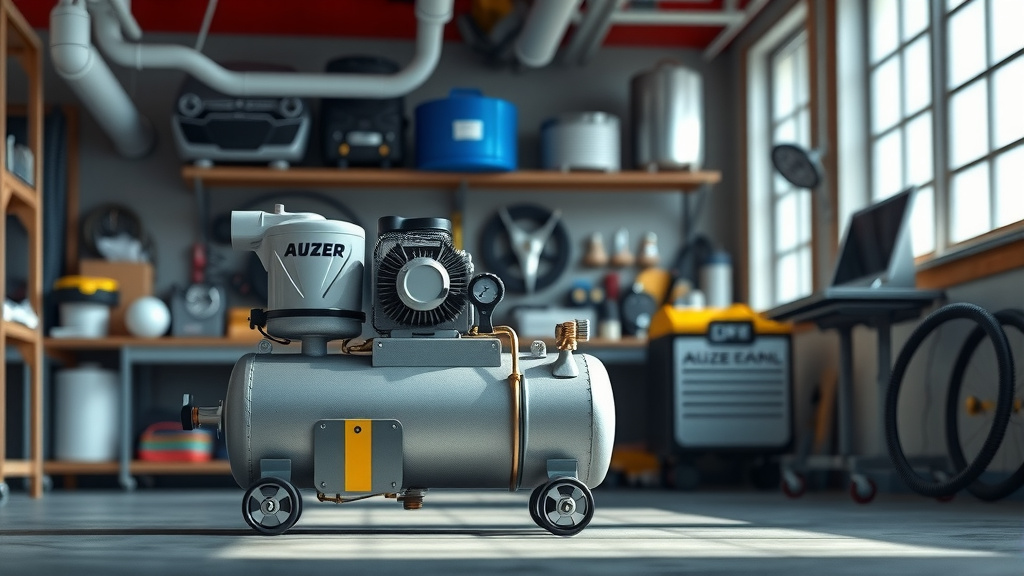
You can often reset an air suspension compressor by disconnecting its power source, like pulling a specific fuse or disconnecting the battery. This helps clear minor electronic glitches.
To effectively reset your air suspension compressor, you’ll need to locate the correct fuse in your vehicle’s fuse box or perform a battery disconnect, following your car’s specific repair guidelines.
Here’s a quick look at what you’ll discover in this guide:
- The easiest ways to reset your air suspension system yourself.
- When a simple reset is enough, and when you need professional help.
- Important safety steps to take before you start working.
- How to understand what your air suspension issues might mean.
- Practical tips for keeping your system healthy in the long run.
How To Reset Air Suspension Compressor?
Resetting your air suspension compressor often involves interrupting its power supply to clear electronic faults. This process is usually quick and can fix minor system glitches.
Why Would You Need a Reset? Understanding the Signs
Your vehicle’s air suspension system is quite clever. However, sometimes it acts a bit confused. You might notice your car sagging, riding unevenly, or perhaps the “suspension fault” light is shining bright on your dashboard. These are often signs that your compressor, the heart of the system, might need a gentle nudge back to reality. A reset can sometimes resolve these temporary communication errors, much like restarting your computer when it acts up.
Safety First: Preparing for the Reset
Before you dive into any DIY fixes, always prioritize your safety. Working with your car’s electrical system requires caution. Make sure your vehicle is on a level surface and the parking brake is engaged. We recommend wearing safety glasses and gloves, just to be extra careful. Having your owner’s manual handy is also a smart move; it’s your vehicle’s personal instruction book.
Method 1: The Fuse Box Reset – A Quick Fix
One of the simplest ways to reset your air suspension compressor is through the fuse box. Every vehicle has fuses that protect electrical components. Finding the right fuse for your air suspension compressor is key here. Your owner’s manual will show you the exact location of the fuse box and which fuse controls the air suspension system. Look for a diagram that labels each fuse. Many experts say this is the first step for troubleshooting minor electrical issues.
Locating the Air Suspension Fuse
The fuse box is typically found either under the hood, in the glove compartment, or sometimes under the dashboard. Once you’ve located it, refer to your manual to identify the specific fuse for the air suspension compressor. It might be labeled “AIR SUSP,” “COMPRESSOR,” or something similar. For example, research often points to a dedicated fuse for air ride components (automotive repair forums).
Steps for Fuse Removal and Replacement
- Turn off your vehicle completely and remove the key.
- Locate the correct fuse using your owner’s manual.
- Carefully pull out the fuse using a fuse puller (usually found in the fuse box lid) or small pliers.
- Wait about 10-15 seconds. This short pause allows the system to discharge any residual power.
- Reinsert the fuse firmly into its slot.
- Start your car and check if the suspension system is working correctly.
Method 2: The Battery Disconnect – A More Thorough Reset
If a fuse reset doesn’t do the trick, disconnecting the battery offers a more comprehensive reset. This method completely cuts power to all electronic components, forcing them to “reboot” when reconnected. It’s like hitting the master reset button for your entire car’s brain.
How to Safely Disconnect Your Car Battery
Disconnecting the battery requires a few extra steps for safety. First, ensure your vehicle is off. Always disconnect the negative (-) terminal first, then the positive (+). This prevents accidental sparks. Many guidelines point to this order as a good first step (auto repair manuals).
The Battery Disconnect Process
- Park your car on a level surface and turn off the engine.
- Open the hood and locate your car battery.
- Using a wrench, loosen the nut on the negative (-) terminal.
- Carefully remove the negative cable and move it away from the battery terminal so it can’t accidentally reconnect.
- Repeat the process for the positive (+) terminal.
- Wait for at least 30 minutes. This duration ensures all system memory is cleared.
- Reconnect the positive (+) cable first, then the negative (-) cable, tightening both securely.
- Start your vehicle and observe the air suspension system.
Method 3: Scan Tool Reset – When Advanced Help is Needed
Sometimes, a simple fuse or battery disconnect isn’t enough. Modern vehicles are complex, and their air suspension systems are no exception. They often store fault codes that only a specialized diagnostic scan tool can read and clear. We found that this method is often necessary for persistent issues.
Understanding Diagnostic Scan Tools
A diagnostic scan tool connects to your car’s On-Board Diagnostics II (OBD-II) port. This tool can communicate directly with your car’s computer, revealing specific error codes related to the air suspension. It’s like having a translator for your car’s digital language. You can buy basic OBD-II scanners, but advanced air suspension issues often need professional-grade tools.
When to Use a Scan Tool or Visit a Professional
If your warning lights persist after a fuse or battery reset, or if your suspension problems are severe, it’s wise to consider a scan tool. Many mechanics will use such a tool to identify problems like faulty height sensors, air leaks, or compressor wear. If you don’t own one, or aren’t comfortable using it, a visit to a trusted mechanic is your best bet. They have the expertise and the advanced equipment.
After the Reset: What to Look For
After you’ve performed a reset, pay close attention to how your air suspension behaves. Does the vehicle now sit at the correct height? Are the warning lights off? Drive the car briefly on a smooth road to feel for any differences in ride quality. The system might take a few minutes to re-calibrate itself and find its optimal level.
When to Seek Professional Help
It’s important to know when a DIY reset is no longer the solution. If your air suspension problems persist after multiple reset attempts, or if you notice any strange noises, leaks, or continued unevenness, it’s time for professional diagnosis. Ignoring these signs could lead to more significant and costly repairs down the road. An expert can diagnose issues like a failing compressor motor, a damaged air spring, or a leaky air line.
| Issue | DIY Reset Action | When to See a Pro |
|---|---|---|
| Intermittent Warning Light | Fuse or Battery Disconnect | Light returns quickly after reset |
| Slight Sagging (Temporary) | Battery Disconnect | Persistent sagging, uneven height |
| System Not Activating | Check Fuse, Battery Reset | No activation after multiple tries, unusual sounds |
| Unusual Noises | N/A (Reset won’t fix mechanical issues) | Immediate professional inspection |
| Visible Air Leaks | N/A (Reset won’t fix physical damage) | Immediate professional inspection |
This table helps illustrate when a simple reset is appropriate and when you might need to call in the cavalry.
Maintaining Your Air Suspension System for Longevity
Prevention is always better than cure, right? Regular maintenance can significantly extend the life of your air suspension compressor and prevent the need for frequent resets. Consider these tips:
- Regular Inspections: Have your suspension system checked during routine vehicle servicing.
- Check for Leaks: Periodically inspect air lines and air springs for any visible damage or signs of air leakage.
- Avoid Overloading: Don’t exceed your vehicle’s weight capacity, as this puts extra strain on the compressor.
- Keep it Clean: Dirt and debris can affect component performance. Keep the area around your compressor clean.
- Listen for Changes: Pay attention to any new noises or changes in how your vehicle rides.
A Quick Checklist for Troubleshooting
If you’re unsure where to start, here’s a simple checklist:
- Is the warning light on consistently or intermittently?
- Did the problem start after a specific event (e.g., hitting a pothole)?
- Have you checked your owner’s manual for system-specific information?
- Are there any visible signs of damage, like sagging or air leaks?
- Do you hear any unusual noises when the compressor runs?
Conclusion
Resetting your air suspension compressor can be a straightforward solution for minor electronic glitches, often saving you a trip to the mechanic. By understanding the methods – from a simple fuse pull to a battery disconnect – you can empower yourself to troubleshoot common issues. Remember to always prioritize safety and consult your owner’s manual for specific details related to your vehicle. While DIY resets are powerful, knowing when to call in a professional is equally important for your vehicle’s long-term health and your peace of mind. Regular maintenance and attentive observation are your best friends in keeping your air suspension system running smoothly.
Frequently Asked Questions
Will resetting my air suspension compressor fix all suspension problems?
No, a reset primarily addresses minor electronic glitches or temporary communication errors within the system. It will not fix mechanical failures like a worn-out compressor, air leaks in the springs or lines, or faulty height sensors. If the problem persists, a deeper diagnosis is needed.
How long does an air suspension reset take?
A fuse reset usually takes only a few minutes. A battery disconnect takes longer, requiring you to leave the battery disconnected for at least 30 minutes to ensure all capacitors are fully discharged and system memory is cleared.
Can a bad fuse cause my air suspension to fail?
Absolutely. A blown or faulty fuse will cut power to your air suspension compressor, preventing it from operating. Checking the fuse is always one of the first and simplest troubleshooting steps when your air suspension system isn’t working.
Is it safe to drive with a faulty air suspension compressor?
Driving with a faulty air suspension compressor can be unsafe and uncomfortable. It might lead to uneven ride height, poor handling, increased tire wear, and potentially damage other suspension components. It’s best to address the issue promptly.
After a reset, how do I know if the compressor is working correctly?
After a reset, the vehicle should return to its normal ride height, and any warning lights related to the suspension should turn off. You might hear the compressor briefly engage to level the vehicle. If the car remains sagged or the warning lights stay on, the reset was likely unsuccessful, or a more serious issue exists.
