
How Hot Should An Air Compressor Get?
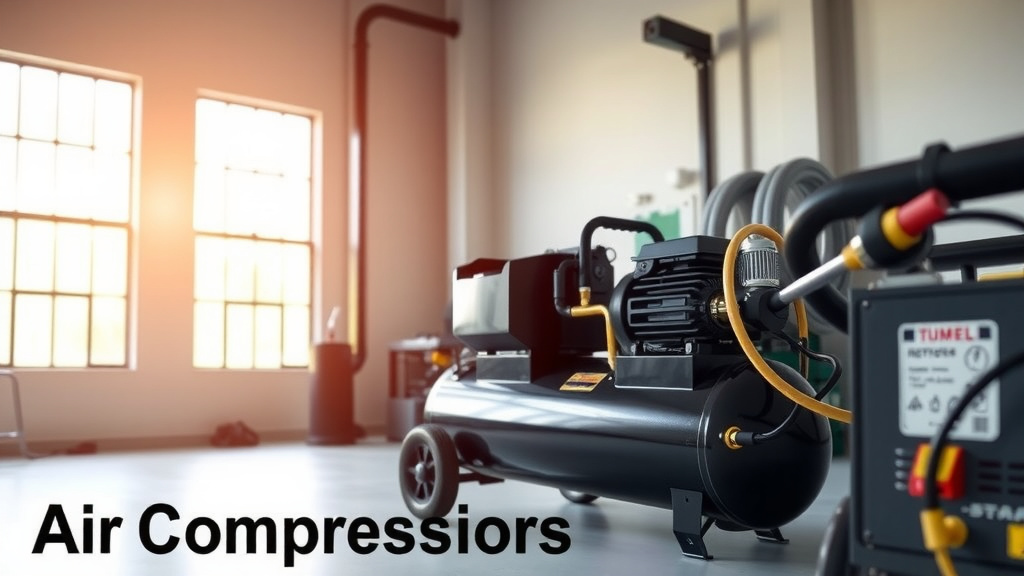
An air compressor’s internal operating temperature typically ranges between 175°F to 200°F (80°C to 93°C) under normal conditions. This optimal range ensures efficient performance and prevents damage.
If you find your air compressor getting significantly hotter, especially above 200°F, it’s a clear signal that something isn’t right and needs your attention to prevent serious issues.
- A properly running air compressor should operate around 175-200°F (80-93°C).
- Excessive heat, often above 200°F, indicates a problem like poor ventilation or low oil.
- Ignoring high temperatures can cause costly damage to internal components and reduce compressor lifespan.
- Regular checks of oil, filters, and ventilation are simple steps to keep your unit cool.
- Always consult your owner’s manual for specific temperature guidelines for your model.
How Hot Should An Air Compressor Get?
You might be wondering, “Is this warmth normal, or is my compressor on the verge of melting down?” Generally, air compressors are designed to run quite warm, but there’s a sweet spot. We found that most units operate best when their internal temperature stays within 175°F to 200°F (80°C to 93°C).
Think of it like your body temperature. A slight fever is a warning, but a high fever is a real problem. Similarly, a little heat is expected, but too much heat can spell trouble for your trusty air compressor.
Why Does Air Compressor Temperature Matter?
Keeping an eye on your air compressor’s temperature isn’t just about curiosity; it’s about safety and efficiency. An air compressor running at its ideal temperature is an efficient air compressor.
It performs better, lasts longer, and keeps your workshop safer. Overheating, on the other hand, can lead to serious headaches, from reduced lifespan to complete breakdowns and even fire hazards.
The “Normal” Operating Temperature Range
As we mentioned, that 175°F to 200°F zone is usually ideal. Many experts say that modern air compressors, especially rotary screw models, are built to handle these temperatures consistently. Reciprocating (piston) compressors might run a little cooler, but the principle holds.
The exact temperature can vary by model, brand, and even the ambient temperature of your workspace. Always check your compressor’s owner’s manual for its specific ideal operating range; it’s your best guide.
What Happens When It Gets Too Hot?
When an air compressor gets too hot, it’s not just uncomfortable to touch; it’s damaging its internal parts. The heat can break down the lubricating oil, causing moving parts to grind and wear out quickly.
Extreme heat can also damage seals, gaskets, and even the motor windings. Imagine trying to run a marathon in a sauna – your compressor feels something similar, leading to costly repairs or replacement sooner than you’d like.
Common Reasons Your Compressor Overheats
If your air compressor is getting hotter than it should, there’s usually a clear reason. We found that many overheating issues stem from a few common culprits. Pinpointing the cause helps you fix it fast.
Poor Ventilation is a Big Culprit
Is your compressor crammed into a corner or a small, unventilated closet? Air compressors need to breathe. They draw in air to cool themselves, and if that air is hot or stagnant, the compressor can’t dissipate its heat effectively. It’s like trying to cool a hot engine in a sealed box.
Low Oil Levels or Wrong Oil Type
Just like a car engine, your air compressor relies on oil for lubrication and cooling. If the oil level is too low, or if you’re using the wrong type of oil, it can’t do its job. This leads to increased friction, which then generates more heat.
Research often connects improper lubrication with premature wear and overheating in machinery (Machinery Lubrication Magazine).
Dirty Filters Block Airflow
Air filters prevent dirt and debris from entering your compressor’s system. But a clogged air filter isn’t just bad for air quality; it restricts airflow needed for cooling. This forces your compressor to work harder to pull in air, generating more heat.
Worn Components and Bearings
Over time, internal parts like bearings, pistons, or motor components can wear out. Worn parts create more friction and resistance, leading to an increase in operating temperature. It’s a sign of a component struggling to do its job.
Running Too Long or Hard
Are you pushing your compressor beyond its duty cycle? If you run it continuously for too long, or demand more air than it’s rated for, it simply can’t keep up. This prolonged stress naturally leads to elevated temperatures.
How to Prevent Your Air Compressor from Overheating
Good news: preventing overheating is often straightforward and doesn’t require a mechanic. A few simple practices can keep your compressor running cool and happy. It’s mostly about good habits and preventative care.
Regular Maintenance is Your Best Friend
Don’t wait for a problem to appear. A little regular check-up goes a long way. This includes checking oil levels, cleaning or replacing filters, and inspecting belts and hoses. It’s like visiting the doctor for a check-up before you get sick.
Ensure Proper Airflow and Cooling
Give your compressor some space. Make sure it’s in a well-ventilated area, away from walls or other equipment that could block airflow. If possible, point a fan at it during heavy use, especially in warmer ambient temperatures.
Use the Correct Lubricant
Always use the specific type of compressor oil recommended in your owner’s manual. Compressor oils are formulated for high temperatures and specific internal components. Using generic oils can do more harm than good.
Monitor Your Compressor Regularly
Make a habit of checking your compressor while it’s running. Listen for unusual noises, feel for excessive heat, and watch for any strange smells. Early detection can save you a lot of trouble.
| Check Point | Frequency | What to Look For |
|---|---|---|
| Oil Level | Weekly/Daily | Ensure it’s within the proper range. |
| Air Filter | Monthly | Clean or replace if dirty/clogged. |
| Vents/Cooling Fins | Bi-Weekly | Clear of dust, debris, or obstructions. |
| Hoses & Connections | Monthly | Check for leaks or damage. |
Is My Compressor Running Too Hot? Signs to Watch For
Sometimes you don’t need a thermometer to tell you something’s wrong. Your senses can be great indicators. Have you noticed any unusual signs?
- Smell of Burning Oil: A distinct acrid smell is a strong indicator of overheating, as the oil might be breaking down.
- Smoke or Fumes: This is an immediate red flag and requires shutting down the unit immediately.
- Compressor Shutting Off: Many modern compressors have thermal overload protection. If it keeps turning off, it’s likely trying to protect itself from excessive heat.
- Reduced Performance: Is your compressor struggling to build pressure, or taking longer than usual? Overheating can affect its output.
- Discolored Components: Look for discoloration on painted surfaces or components, which might indicate extreme heat.
When to Call a Professional
While many issues can be fixed with DIY maintenance, there are times when it’s best to call in the pros. If you’ve tried the basic troubleshooting steps and your compressor is still running too hot, it’s likely a deeper internal problem. This could involve major component wear, electrical issues, or complex system failures that require specialized tools and expertise. Don’t risk further damage or personal injury by attempting repairs beyond your skill level.
Conclusion
Understanding “How hot should an air compressor get?” is a key step in keeping your equipment running smoothly and safely. The ideal range of 175°F to 200°F isn’t just a number; it’s a guide to preventing serious issues. By paying attention to proper ventilation, regular maintenance, correct oil usage, and listening to your compressor, you can significantly extend its lifespan and avoid unexpected breakdowns. Your air compressor works hard for you; a little care helps it stay cool under pressure.
How often should I check my air compressor’s oil?
You should check your air compressor’s oil level before each use or daily if you operate it frequently. A quick visual check ensures the level is within the recommended marks on the dipstick or sight glass. We found that oil changes are typically recommended every 100-200 hours of operation or at least annually, depending on your specific model and usage.
Can I use car engine oil in my air compressor?
No, you should never use car engine oil in your air compressor unless specifically stated in your owner’s manual. Compressor oil has a different viscosity and additive package designed to withstand the specific pressures and temperatures found in air compressor pumps. Using car oil can lead to excessive carbon buildup, reduced lubrication, and overheating.
What’s the difference between oil-lubricated and oil-free compressors for heat?
Oil-lubricated compressors use oil to cool and lubricate internal parts, allowing them to run continuously and manage heat more effectively. Oil-free compressors use coatings or materials that don’t require oil, so they tend to run hotter and often have shorter duty cycles. They rely on external cooling fins or fans to dissipate heat.
Does ambient temperature affect compressor heat?
Yes, the ambient (surrounding) temperature significantly affects how hot your compressor runs. In a very hot workshop or garage, your compressor will naturally struggle more to dissipate its heat, potentially leading to higher operating temperatures. Ensuring good ventilation becomes even more important in warmer environments.
How do I know the correct oil type for my compressor?
The correct oil type for your air compressor is always specified in your owner’s manual. It will often recommend a specific SAE weight (e.g., SAE 30 non-detergent) or a specialized compressor oil. Using anything else can void warranties and cause damage. When in doubt, always refer to the manufacturer’s guidelines for precise specifications.
