
What Gauge Wire For Air Compressor?
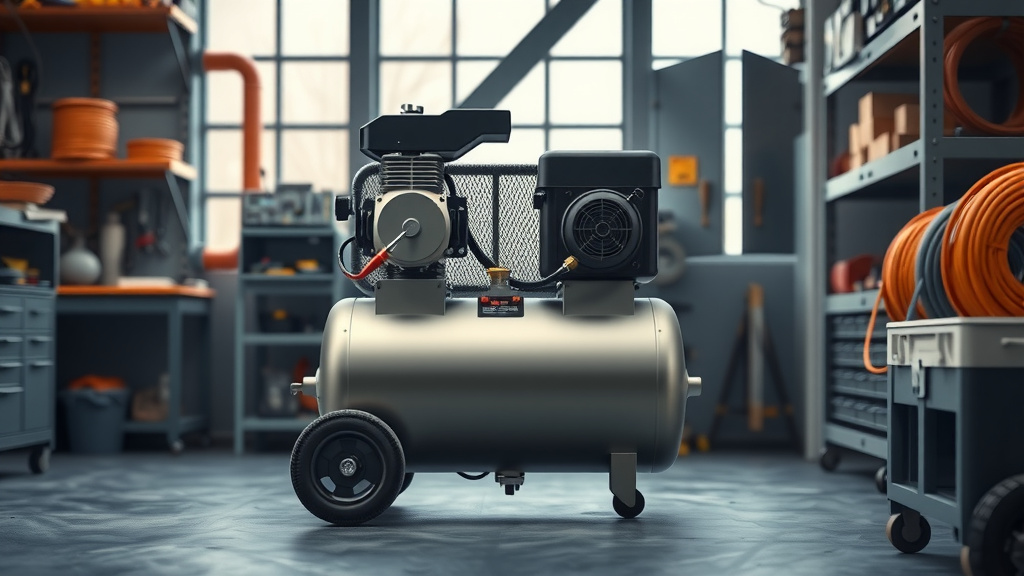
For most air compressors, a 10-gauge wire is suitable for circuits up to 30 amps, while a 12-gauge wire can handle up to 20 amps for shorter runs, typically less than 25 feet.
Selecting the correct wire gauge for your air compressor is crucial and depends primarily on the compressor’s amperage, its motor horsepower, and the total length of the wire run from the electrical panel.
- Getting the right wire gauge for your air compressor is all about matching the wire to the compressor’s power needs and the distance it has to travel.
- Too small a wire can cause overheating, voltage drop, and potential fire hazards, which is something you definitely want to avoid.
- Always check your compressor’s nameplate for its amperage rating and consult an amperage-to-wire gauge chart for accurate selection.
- When in doubt, going up a gauge (meaning a smaller number like 10 instead of 12) is often a safer choice, especially for longer runs.
What Gauge Wire For Air Compressor?
The right wire gauge for your air compressor balances power delivery with safety. It prevents problems like diminished performance and fire risks. Let’s dig into how you can choose wisely for your setup.
Why Does Wire Gauge Matter?
Think of electricity flowing through a wire like water through a pipe. If the pipe is too narrow for the amount of water, you get a weak trickle or worse, a burst pipe. Similarly, a wire that’s too thin for your compressor’s electrical demand can restrict current, cause heat buildup, and even damage your equipment. We found that proper wiring ensures your compressor runs efficiently and safely (National Electrical Code).
Amperage is Your Guide
The most important factor is your air compressor’s amperage rating, often called the Full Load Amps (FLA). You’ll find this number on a data plate, usually near the motor. This number tells you exactly how much electrical current your compressor needs. Wiring professionals always start here because it dictates everything else.
Understanding Wire Gauge Numbers
It might seem backward, but with wire gauges, a smaller number means a thicker wire. So, 10-gauge wire is thicker than 12-gauge wire. Thicker wire handles more current and generally creates less resistance. Many experts say that understanding this simple rule is key to safe electrical work.
Calculating the Right Wire Gauge
You’ll need to combine the compressor’s amperage with the distance the wire needs to travel. This isn’t guesswork; it’s a simple calculation to ensure everything works as it should. Don’t worry, it’s easier than it sounds.
The Role of Wire Length
Imagine pushing a heavy box across a long floor versus a short one; the longer distance takes more effort. Electricity faces similar challenges. The longer the wire run, the more resistance it encounters, causing what’s known as “voltage drop.” This drop means your compressor might not get the full power it needs. For longer distances, you generally need a thicker wire gauge to compensate.
Voltage Drop Concerns
When voltage drops too much, your compressor’s motor works harder, draws more current, and can overheat. This shortens the motor’s lifespan and can even trip circuit breakers. We found that avoiding excessive voltage drop is critical for motor longevity (NFPA data). Keeping it below 3% is often the goal.
Here’s a quick reference table showing common air compressor amperage needs and recommended wire gauges for different distances:
| Compressor Amps (FLA) | Wire Gauge (Up to 25ft) | Wire Gauge (26-50ft) | Wire Gauge (51-100ft) |
|---|---|---|---|
| 15 Amps | 14 AWG | 12 AWG | 10 AWG |
| 20 Amps | 12 AWG | 10 AWG | 8 AWG |
| 30 Amps | 10 AWG | 8 AWG | 6 AWG |
| 50 Amps | 8 AWG | 6 AWG | 4 AWG |
Essential Safety Considerations
Wiring an air compressor isn’t just about making it work; it’s about making it safe. Electricity can be dangerous if not handled correctly. Always prioritize safety to protect yourself and your property. Don’t cut corners here.
Circuit Breakers and Fuses
Your electrical panel’s circuit breaker or fuse acts like a safety valve. If too much current flows, it trips, cutting power and preventing damage or fire. Always match the breaker’s amperage rating to the wire gauge and compressor’s needs. An undersized breaker will trip constantly, but an oversized one won’t protect against dangerous overloads. This is non-negotiable.
Overheating Risks
Using a wire that’s too small is a major cause of overheating. When a wire gets too hot, its insulation can melt, leading to short circuits and fire. This is a serious hazard that proper wire gauge selection entirely avoids. We found that many electrical fires start from improper wiring choices (CPSC reports).
Before you commit to a wire gauge, double-check these points:
- Identify your compressor’s exact Full Load Amps (FLA) from its nameplate.
- Measure the total length of the wire run accurately, from panel to compressor.
- Consider the voltage your compressor operates on (120V or 240V).
- Factor in any potential future upgrades to your compressor or tools.
- Always choose THHN or XHHW rated wire, suitable for conduit and most applications.
- Verify that your circuit breaker rating matches the chosen wire gauge.
Common Air Compressor Scenarios
Air compressors come in many shapes and sizes, and their wiring needs can vary. Understanding these differences helps you make the best choice. Let’s look at what typically applies.
Portable vs. Stationary Units
Portable compressors often plug into standard wall outlets (120V) and have lower amperage. Stationary units, especially larger ones, usually require dedicated 240V circuits and heavier gauge wiring. The fixed nature of stationary units also allows for more permanent wiring solutions. Many experts suggest avoiding extension cords for stationary compressors entirely.
Single Phase vs. Three Phase
Most home and small shop compressors are single-phase. Larger industrial compressors are often three-phase. Three-phase power distributes the load differently and generally requires different wiring configurations. If you have a three-phase compressor, you’ll definitely want to consult an electrician; it’s a more complex setup.
When in Doubt, Ask a Pro
Electrical work, especially for higher-amperage appliances like air compressors, isn’t something to guess about. If you’re unsure about any step, please call a qualified electrician. They have the expertise and tools to ensure your setup is both functional and safe. Your peace of mind is worth it.
Conclusion
Choosing the correct wire gauge for your air compressor is a critical step for its performance and, more importantly, for your safety. It’s a blend of understanding your compressor’s power needs, considering the distance, and always prioritizing electrical safety standards. By following the guidelines we’ve discussed, you can confidently power your air compressor, knowing it’s connected reliably. Remember, a little preparation goes a long way in preventing headaches down the road, and it keeps your tools humming happily.
What if my air compressor trips the circuit breaker frequently?
Frequent circuit breaker trips often indicate that your air compressor is drawing too much current, either because the wire gauge is too small, the circuit breaker is undersized, or there’s an internal issue with the compressor itself. Always check the wire gauge and breaker rating first, ensuring they match your compressor’s amperage, and consider a professional inspection if problems persist.
Can I use an extension cord with my air compressor?
While you can use an extension cord for *very short periods* with small portable compressors, it’s generally not recommended for regular use, especially with larger units. Extension cords often lead to significant voltage drop, cause overheating, and can damage your compressor. If you must use one, ensure it’s a heavy-duty outdoor-rated cord with the correct gauge for your compressor’s amperage and length.
Does the voltage (120V vs. 240V) affect wire gauge selection?
Yes, absolutely. For the same amount of horsepower, a 240V air compressor will draw roughly half the amperage of a 120V compressor. Lower amperage means you can often use a smaller (higher number) wire gauge, making 240V more efficient for larger compressors and longer runs. Always confirm your compressor’s operating voltage and its corresponding amperage rating.
What type of wire insulation should I look for?
For wiring an air compressor, especially in conduit, you’ll typically want to use THHN (Thermoplastic High Heat Nylon) or XHHW (Cross-linked Polyethylene High Heat Water-resistant) type wires. These types are durable, rated for higher temperatures, and are commonly approved for such applications. Always check local electrical codes, as requirements can vary.
Is it better to use a slightly larger wire gauge than necessary?
Yes, when in doubt or if you’re on the border between two gauges, opting for a slightly larger wire gauge (meaning a smaller AWG number, like 8 instead of 10) is always a safer and more conservative choice. A larger wire will have less resistance, less voltage drop, and run cooler, which is beneficial for both the compressor’s longevity and overall electrical safety. It provides a small margin for error.
