
Is It Ok To Leave An Air Compressor Full?
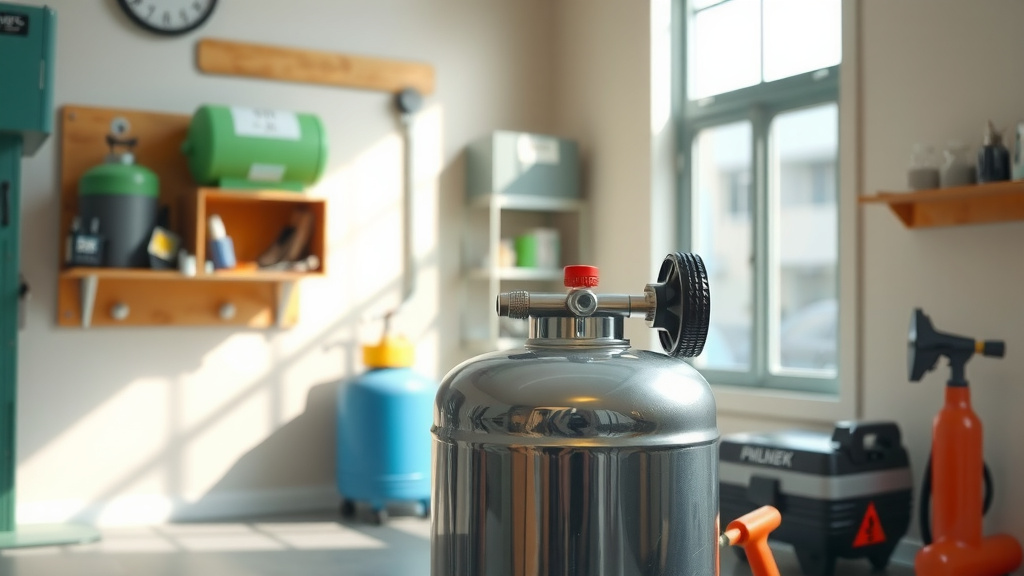
Leaving an air compressor full of air is generally not recommended for extended periods due to safety risks and potential damage to the unit.
While it might seem convenient, regularly draining your air compressor prevents moisture buildup and reduces stress on its crucial components.
- You should not leave your air compressor full of air for long periods.
- Stored pressurized air can pose significant safety concerns.
- Moisture accumulating in the tank will cause rust and damage over time.
- Releasing the air helps extend your compressor’s overall lifespan.
- Always follow the manufacturer’s specific guidelines for safe storage.
Is It Ok To Leave An Air Compressor Full?
No, it’s generally not okay to leave an air compressor full of pressurized air for extended periods.
This practice can lead to safety hazards and significantly shorten the lifespan of your valuable equipment.
When you finish a task, many people wonder if they can just leave their air compressor charged and ready for next time. It seems like a time-saver, doesn’t it?
However, we found that leaving your compressor full can cause several problems, affecting both its safety and its long-term health.
Why You Shouldn’t Keep Your Compressor Full
The main reasons to avoid keeping your compressor full are safety, moisture accumulation, and component stress. Thinking of your compressor as a sleeping giant ready to spring to action sounds appealing, but it is not its best state.
Imagine leaving a balloon inflated for weeks; it eventually weakens or bursts. Your compressor tank faces similar challenges, though on a much larger and more dangerous scale.
Safety First: Understanding the Risks
A tank under constant pressure is a potential safety hazard. It’s like leaving a loaded gun unattended.
While modern compressors have safety valves, systems can fail. Many experts say that reducing pressure is always the safest option (OSHA guidelines suggest safe operating practices).
Tank Pressure and Fatigue
Keeping pressure in the tank means the metal walls are under constant stress. Over time, this constant strain can lead to metal fatigue.
Think of bending a paperclip back and forth; eventually, it breaks. Your tank walls can weaken, increasing the risk of a rupture.
Unexpected Air Release
If a seal fails or a component gives way, the stored air could release suddenly and powerfully. This unexpected discharge could cause injuries or damage to nearby objects.
It’s always better to eliminate this risk by releasing the pressure when not in use.
The Silent Enemy: Moisture Buildup
One of the biggest concerns with a full air compressor is moisture accumulation inside the tank. Air contains water vapor, which condenses into liquid water when compressed.
This water has nowhere to go unless you drain the tank, creating a breeding ground for rust.
Rust and Corrosion
Water sitting at the bottom of a steel tank will inevitably lead to rust. Rust weakens the tank walls, making them more prone to failure. This is why draining moisture is so vital for tank longevity.
Research has consistently shown that moisture is the primary cause of internal tank corrosion (Compressed Air & Gas Institute).
Contaminated Air
If rust forms, small particles can get into your air supply. This contaminated air can damage your air tools, paint jobs, or any process relying on clean, dry air. You want pure air for your projects, not rusty mist.
Protecting Your Compressor’s Parts
Beyond the tank, other parts of your air compressor also suffer from constant pressure.
Your seals, valves, and even the motor can experience undue stress when the system remains fully charged for long periods.
Stress on Seals and Valves
The seals and valves are designed to hold pressure, but constant tension wears them out faster. Think of a spring held compressed; it loses its springiness over time. Regularly releasing pressure allows these parts to relax.
Motor Overload Potential
While less direct, if your compressor experiences minor air leaks while full, the motor might cycle on and off to maintain pressure. This “short cycling” puts extra strain on the motor and can lead to premature motor failure. It’s an inefficient and damaging cycle.
When is it Acceptable to Leave it Full?
Sometimes, leaving an air compressor full for a very short period, like overnight, might be acceptable if you know you’ll use it first thing in the morning.
However, this assumes you have no air leaks and are fully aware of the potential risks. For anything longer, it’s a definite no.
The Simple Steps to Proper Air Compressor Storage
Proper storage is simple and doesn’t take much time. It’s an easy habit to adopt for safety and equipment longevity.
- Always turn off the compressor’s power supply.
- Open the drain valve at the bottom of the tank to release air and water.
- Wait until all air and water are completely expelled.
- Close the drain valve before storing.
- If oil-lubricated, check the oil level periodically.
Draining the Tank
Locate the drain valve, usually a petcock or ball valve, at the bottom of your tank. Place a container underneath and slowly open the valve. You’ll hear the air hiss out, followed by water. Let it drain until only air comes out. This is a quick and simple step.
Shutting Down Safely
Always turn off the power to your compressor before draining. Then, release all air pressure from the tank. This ensures that no component is under stress during storage. Safety should always be your top priority.
Best Practices for Compressor Maintenance
Beyond draining, a few other practices will help your compressor serve you well for years. Regular upkeep saves money and prevents unexpected breakdowns.
Regular Checks
Periodically inspect hoses, fittings, and the power cord for signs of wear or damage. Look for any visible leaks or unusual noises during operation. Catching small problems early can prevent bigger issues later.
Filter Maintenance
Your air filter keeps dust and debris out of the compressor’s motor. Check and clean or replace it regularly, especially if you work in dusty environments. A clean filter ensures efficient operation.
Oil Changes (if applicable)
If you have an oil-lubricated compressor, follow the manufacturer’s recommendations for oil changes. Just like your car, the oil keeps moving parts running smoothly. Fresh oil prolongs motor life.
Understanding Your Compressor Type
Different compressor types have slightly varied maintenance needs, but the principle of draining pressure remains universal. Know your machine to care for it better.
Piston-Driven Compressors
These are common for home and small shop use. They often accumulate more moisture due to their design. Frequent draining is especially important for these workhorses.
Rotary Screw Compressors
Found in larger industrial settings, these have advanced moisture separation systems. Even so, routine checks and scheduled maintenance, including drainage, are critical for their longevity and efficiency. They are complex machines needing attention.
Comparing Safe vs. Unsafe Storage
Let’s look at why one method works better than the other for your equipment.
| Storage Method | Pros | Cons |
|---|---|---|
| Leaving Tank Full | Ready for instant use (short-term) | Safety risks, moisture buildup, component stress, reduced lifespan, potential leaks. |
| Draining Tank | Increased safety, prevents rust, extends component life, cleaner air, no motor short-cycling. | Requires a few minutes to re-pressurize before use. |
A Quick Checklist for Shutting Down Your Compressor
- Turn Off Power: Disconnect from the electrical outlet.
- Release Air: Open any valves to fully bleed remaining air from hoses.
- Drain Moisture: Open the tank drain valve until no more water or air comes out.
- Close Valve: Securely close the drain valve.
- Store Properly: Keep in a clean, dry area.
What About Small Portable Units?
Even small, portable air compressors benefit from being drained after each use. While their tanks are smaller, they still condense moisture. Don’t skip this step, even for your nail gun compressor.
The principles of safety and maintenance apply universally across all compressor sizes and types. Treat your small unit with the same care as a larger one.
Common Misconceptions About Air Storage
Some people believe that leaving a tank full saves electricity because it doesn’t have to fill up again. However, any minor air leak means the compressor will still cycle on, consuming power. We found this myth is easily debunked by practical observation.
Others think modern tanks are immune to rust. While newer tanks have better coatings, no tank is completely rust-proof if water sits inside it for extended periods. Regular draining is still the gold standard.
The Benefits of Releasing Air
By simply releasing the air, you achieve several benefits. You extend the life of your compressor, ensure safer operation, and protect your expensive air tools from contaminated air. It’s a small habit with big rewards.
You also reduce the chances of unexpected malfunctions, saving you potential repair costs and downtime. Think of it as a preventative health measure for your equipment.
Conclusion
In short, while it might seem like a shortcut, leaving your air compressor full of air is generally a bad idea. It poses safety risks, promotes internal rust, and stresses vital components, ultimately shortening your unit’s lifespan. Taking a few minutes to drain the tank and release the pressure after each use is a simple, effective way to ensure your compressor remains safe, reliable, and efficient for many years to come. Your compressor works hard for you; give it the care it deserves.
How often should I drain my air compressor tank?
You should drain your air compressor tank after every use, or at least daily if used frequently. If it sits unused for a while, drain it before storing to remove any accumulated moisture.
What happens if I forget to drain my air compressor for a long time?
Forgetting to drain it can lead to severe rust and corrosion inside the tank, weakening its structure. This increases the risk of tank rupture, contaminates your compressed air, and can damage connected tools.
Does draining the air compressor prevent explosions?
Regularly draining the air compressor helps prevent internal tank corrosion, which is a leading cause of tank failure and potential ruptures or explosions. While not a guarantee against all issues, it significantly reduces a major risk factor.
Will my air tools last longer if I always drain my compressor?
Yes, draining your compressor helps ensure that the air delivered to your tools is free from water and rust particles. This cleaner, drier air protects your air tools from internal corrosion and wear, thereby extending their lifespan.
Is it normal for water to come out when I drain my air compressor?
Absolutely, it is completely normal and expected for water to come out. This water is condensed moisture from the air, and its presence is precisely why regular draining is so important to prevent rust inside the tank.
