
Is It Bad To Leave An Air Compressor Full?
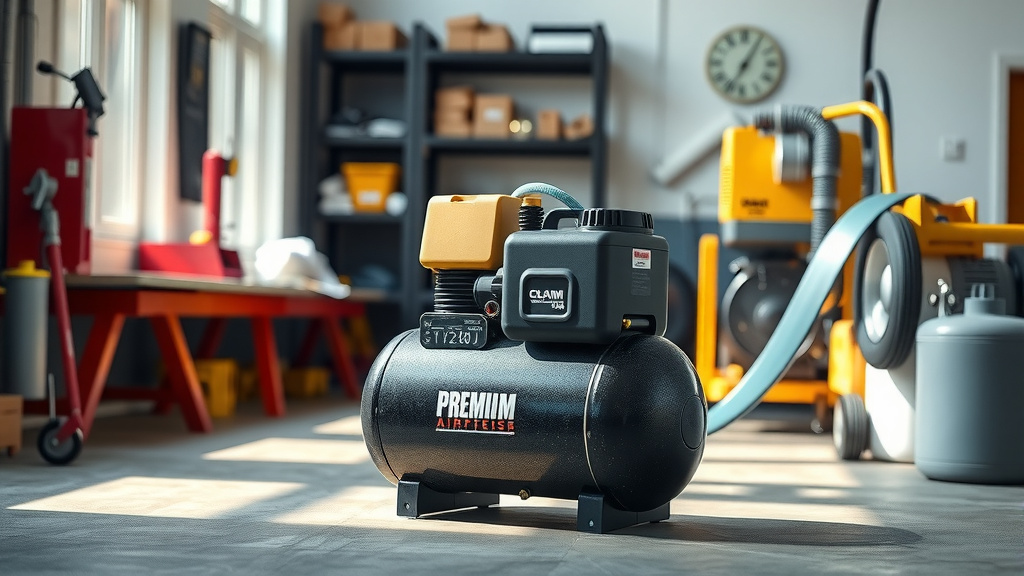
Yes, it is generally not ideal to leave an air compressor full of compressed air for extended periods, as it can potentially lead to maintenance issues and reduced lifespan.
Leaving your air compressor pressurized can contribute to moisture buildup and unnecessary stress on internal components over time.
- Leaving an air compressor full can cause condensation, leading to internal rust and component damage.
- Constant pressure can wear out seals, gaskets, and other vital parts prematurely.
- It can also pose minor safety risks due to sustained pressure, even if rare.
- Always depressurize and drain your tank after use to extend its life and ensure safety.
- Regular maintenance, like draining moisture, keeps your compressor running efficiently for longer.
Is It Bad To Leave An Air Compressor Full?
In short, yes, it can be problematic. While not an immediate disaster, keeping your air compressor full of pressurized air after you’re done working isn’t a good practice.
Understanding Air Compressor Pressure
Think of your air compressor like a balloon. When it’s inflated, it’s under tension. Your air compressor tank is a much stronger version of that, but the principle is similar.
It’s designed to hold pressure, of course, but continuous strain isn’t its friend for the long haul. Many experts agree that relieving this pressure is a simple step for better maintenance.
The Silent Enemy: Condensation
When an air compressor works, it pulls in ambient air. This air always contains some water vapor. As the air gets compressed, this vapor turns into liquid water – condensation. It collects at the bottom of the tank.
If you leave the tank full, this water sits there, causing a quiet problem. We found that this trapped moisture is a major culprit in tank degradation (National Board Inspection Code).
Rust and Corrosion Risks
Imagine water sitting in a metal container for days, weeks, or even months. What happens? Rust! Your compressor tank is usually steel, which is susceptible to corrosion. Rust weakens the tank walls.
Over time, this weakening can lead to leaks or, in severe cases, a catastrophic tank failure. You definitely want to avoid this safety concern.
Stress on Internal Components
Your air compressor has many moving parts and seals. When the tank stays full of pressure, all these components remain under constant stress. Gaskets, O-rings, and valves are continually pushed against.
This sustained pressure can cause these parts to wear out faster. Just like a stretched rubber band, constant tension can lead to a quicker breakdown. We found that premature wear is a common issue (Compressed Air Best Practices).
Seal Degradation Over Time
The seals are critical for maintaining pressure. If they are constantly under strain, they can dry out, crack, or lose their elasticity. This means your compressor might start leaking air even when it’s off.
A leaky system means your compressor will kick on more often to maintain pressure, using more electricity. This wastes energy and increases wear.
Potential Safety Concerns
While modern air compressors have safety valves, leaving a tank pressurized adds a tiny, unnecessary risk. A tank under pressure is always a potential hazard, especially if it’s old or not properly maintained.
Releasing the air minimizes this risk. It’s a simple, proactive step for safety. Many industry guidelines suggest depressurizing after use.
Economic Impact: Energy Waste
If your compressor has even a tiny leak – and many do over time – leaving it full means it will lose air. The pressure switch will then tell the motor to turn on and refill the tank.
This cycling uses electricity unnecessarily. You’re essentially paying to compress air that just leaks out. It’s like leaving a faucet dripping when you’re not using the water.
The Simple Solution: Depressurize and Drain
So, what’s the best practice? It’s incredibly simple and takes only a minute. You should always depressurize your air compressor and drain the condensation after each use or at the end of your workday.
This quick habit can greatly extend the life of your equipment.
- Turn off the compressor’s power supply.
- Open the drain valve at the bottom of the tank.
- Watch for water and listen for air escaping.
- Let all the air escape and all the water drain.
- Close the drain valve once empty.
Frequency of Draining
How often should you drain? We found that daily draining is ideal for heavy users. If you use it less often, draining after each use is still the best habit.
Even if you only use it for a few minutes, some moisture will accumulate. Don’t skip this vital step.
Types of Compressors and Their Vulnerabilities
While all air compressors benefit from depressurizing, some are more sensitive. Larger industrial units might have automated drains, but smaller portable ones often rely on manual draining. Piston compressors are particularly prone to condensation.
Understanding your specific model can help tailor your maintenance routine. Always check your owner’s manual for manufacturer recommendations.
Here’s a quick look at the impact:
| Action | Potential Benefit | Potential Risk (if not done) |
|---|---|---|
| Depressurize Tank | Reduces stress on seals, prevents leaks. | Premature wear, energy waste. |
| Drain Condensation | Prevents rust, extends tank life. | Tank corrosion, safety issues. |
Long-Term Compressor Health
Taking care of your air compressor isn’t just about avoiding problems. It’s about ensuring it performs at its best for years to come. Just like changing the oil in your car, proper maintenance makes a big difference.
A well-maintained compressor runs more efficiently and delivers consistent power. This means better performance for your projects.
Your Maintenance Checklist
To keep your compressor happy and healthy, consider these simple steps:
- Always depressurize the tank after use.
- Drain condensation daily or after each session.
- Check air filters regularly and clean or replace them.
- Monitor oil levels in oil-lubricated compressors.
- Inspect hoses and fittings for leaks or damage.
Conclusion
While leaving an air compressor full of air might seem harmless, it’s a practice that can lead to several preventable issues. From rust-causing condensation to increased stress on vital components and potential energy waste, the downsides outweigh any perceived convenience.
By simply taking a minute to depressurize the tank and drain the moisture after each use, you’ll significantly prolong the life of your equipment, maintain its efficiency, and ensure a safer working environment. It’s a small habit with big long-term benefits.
What happens if I forget to drain my air compressor?
If you occasionally forget to drain your air compressor, it’s not an immediate cause for panic. The primary risk is allowing condensation to accumulate and sit in the tank, which can promote rust over time. Make it a point to drain it as soon as you remember to minimize any potential long-term damage.
Can a rusty air compressor tank explode?
While extremely rare, a severely rusted air compressor tank can become structurally compromised, increasing the risk of rupture under pressure. Modern tanks have safety features, but corrosion weakens the steel. Regular draining and inspections are essential to prevent this severe and dangerous scenario.
How often should I drain the water from my air compressor?
The general recommendation is to drain the water from your air compressor tank after every use, especially if you use it frequently or live in a humid environment. For light, occasional use, draining it after each session is still the best practice to prevent moisture buildup.
Does letting air out of the tank damage the compressor?
No, quite the opposite. Letting the air out of the tank is a recommended practice. It relieves internal pressure on seals and components, and when combined with draining condensation, it actually helps to extend the life and efficiency of your air compressor. It is a key part of proper maintenance.
Is it okay to leave my air compressor plugged in all the time?
Leaving your air compressor plugged in is generally fine, but it’s often not necessary. If the tank is not depressurized, a plugged-in compressor might cycle on periodically if there are minor air leaks, consuming electricity. For safety and energy savings, it’s often better to unplug it when not in active use and after depressurizing the tank.
