
Can You Use An Air Compressor While Its Running?
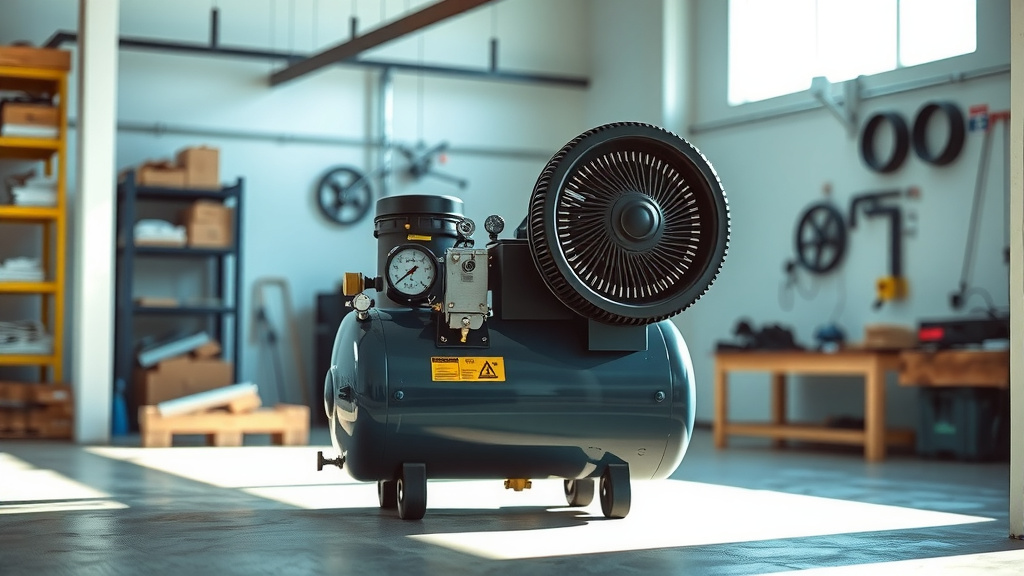
Yes, you can use an air compressor while its running to power tools and maintain air pressure, but it depends on the compressor’s design and your specific task.
Many modern air compressors are built to operate continuously, cycling on and off to keep the tank adequately pressurized for your work.
- Most air compressors can be used while they’re running, especially smaller models that cycle frequently.
- Your compressor’s duty cycle determines how long it can run without a break.
- Keeping an eye on pressure, heat, and noise helps ensure safe operation.
- Larger, industrial compressors are designed for constant, heavy use.
- Always match your tool’s air requirements to your compressor’s output for best results.
Can You Use An Air Compressor While Its Running?
Yes, you absolutely can use an air compressor while it is running. This is how most air compressors are designed to work for many tasks. It simply means the motor cycles on to refill the tank as you consume air.
Why Would You Need Continuous Operation?
Think about tasks that demand a constant stream of air. Are you using a paint sprayer or a high-volume impact wrench? These tools need a steady supply of compressed air. Your compressor will turn on to keep up with that demand. It’s like your refrigerator turning on to keep things cold. It runs when it needs to.
Understanding Your Compressor’s Duty Cycle
Every air compressor has a “duty cycle.” This indicates how long it can run in a given period before needing to rest. For instance, a 50% duty cycle means it can run for 30 minutes out of every hour. Industrial-grade models often have a 100% duty cycle, meaning they can run non-stop for hours. Always check your unit’s specifications; it’s a crucial detail (Manufacturer Guidelines).
What Happens If You Exceed the Duty Cycle?
Pushing your compressor beyond its intended duty cycle can lead to problems. You might experience overheating, motor strain, or even premature wear of internal parts. It’s like asking a marathon runner to sprint the whole race; they’ll tire out quickly. Many experts say that respecting the duty cycle keeps your equipment lasting longer.
Managing Air Pressure and PSI
When you use an air tool, the pressure in the tank drops. The compressor kicks in to bring the pressure back up to your set PSI. This constant monitoring ensures your tools always have the pressure they need to perform. It’s a dance between air consumption and air production.
Setting the Right PSI for Your Tools
Different tools require different pressure settings. Using too much pressure can damage your tool or your project. Too little, and the tool won’t work effectively. Always check the tool’s manual for its recommended PSI. It’s a simple step that makes a big difference in performance.
Does Tank Size Play a Role?
A larger air tank stores more compressed air. This means the compressor motor won’t need to run as frequently when you’re using tools. You get longer bursts of air before the motor restarts. Conversely, a smaller tank will cause the motor to cycle on and off more often. It’s about storage capacity versus motor running time.
Matching Tools to Your Compressor’s CFM
CFM, or Cubic Feet per Minute, measures the volume of air your compressor produces. Your air tools have specific CFM requirements. If your tool needs 5 CFM and your compressor only delivers 3 CFM, it will struggle. The compressor will run constantly but still won’t keep up. We found that matching CFM is essential for efficient work.
Considering Noise Levels During Operation
Air compressors can be noisy, especially piston-driven models. If you’re using your compressor while it’s running for an extended period, the noise can be a factor. Think about your neighbors or your own hearing protection. Some newer models offer quieter operation, which can be a real blessing.
Heat Generation and Proper Ventilation
When an air compressor runs, it generates heat. This is normal. Proper ventilation around the unit is key to preventing overheating. Never operate your compressor in a confined space without good airflow. We found that good ventilation significantly impacts the compressor’s longevity (Safety Guidelines, OSHA).
Types of Compressors and Continuous Use
Not all compressors are made equal for continuous running.
| Compressor Type | Ideal for Continuous Use? | Typical Duty Cycle |
|---|---|---|
| Piston (Reciprocating) | Usually for intermittent use | 50-75% (depends on model) |
| Rotary Screw | Designed for continuous, heavy use | 100% |
| Oil-Free | Varies, often for lighter duty | Lower than oil-lubricated often |
Signs Your Compressor is Overworking
Listen to your compressor. Is it making unusual noises? Is the motor running hot to the touch, or is it cycling on and off too frequently? These are all signs it might be overworking. Pay attention to these cues; your compressor is trying to tell you something. Ignoring them can cause significant damage.
When to Avoid Continuous Running
There are times when continuous running is not ideal. If you’re using a compressor with a low duty cycle for a high-demand tool, you’re asking for trouble. Also, if you notice any strange smells, excessive vibration, or a sudden drop in performance, stop immediately. Sometimes, it’s better to take a break.
Pre-Operation Checklist for Safe Use
Before you begin any project, a quick check can save you headaches. It’s like checking your car’s tires before a long trip. Safety first, always!
- Is the compressor on a stable, level surface?
- Are all connections secure and leak-free?
- Is there adequate ventilation around the unit?
- Are you wearing appropriate safety gear (ear protection, eye protection)?
- Is the pressure regulator set correctly for your tool?
Conclusion
Using an air compressor while it’s running is a normal and necessary part of its operation for many tasks. Your compressor is designed to cycle on and off to maintain pressure as you work. The key is understanding its limitations, especially its duty cycle and CFM output. By listening to your equipment, ensuring proper ventilation, and matching your tools correctly, you can safely and effectively use your air compressor for a long time. It’s all about working smart, not just hard.
Is it bad if my air compressor runs constantly?
If your air compressor runs constantly without reaching its shut-off pressure, it could signal a problem. This might be a leak in the air lines, a faulty pressure switch, or the compressor being too small for the demands of your tools. Constant running without relief can lead to motor burnout or overheating. It’s worth investigating if this happens frequently.
How long can an air compressor run before it needs to rest?
The time an air compressor can run before needing a rest is dictated by its duty cycle. A 50% duty cycle means it can run for half an hour every hour. Industrial rotary screw compressors often have a 100% duty cycle, meaning they can run continuously. Always consult your specific model’s manual for its recommended limits.
Should I turn off my air compressor between uses?
For short breaks, you might leave it on. For longer periods or at the end of the day, turning off your air compressor is a good practice. This saves energy, reduces wear and tear, and minimizes noise. Also, it’s safer to release any residual air pressure from the tank when it’s not in use.
Can I damage an air tool by using the compressor while it’s running?
No, you won’t damage an air tool simply because the compressor is running. The damage comes from using incorrect air pressure (too high or too low) or insufficient CFM for the tool’s requirements. As long as the compressor delivers the correct, steady air supply, your tools will operate as intended.
What is the difference between a single-stage and a two-stage air compressor for continuous use?
A single-stage compressor compresses air once, reaching a maximum of around 135 PSI. A two-stage compressor compresses air twice, reaching higher pressures (up to 175 PSI or more) with greater efficiency. For continuous, heavier-duty applications requiring higher pressure, a two-stage compressor is generally preferred and often designed for more sustained operation.
