
What Is Duty Cycle on an Air Compressor?
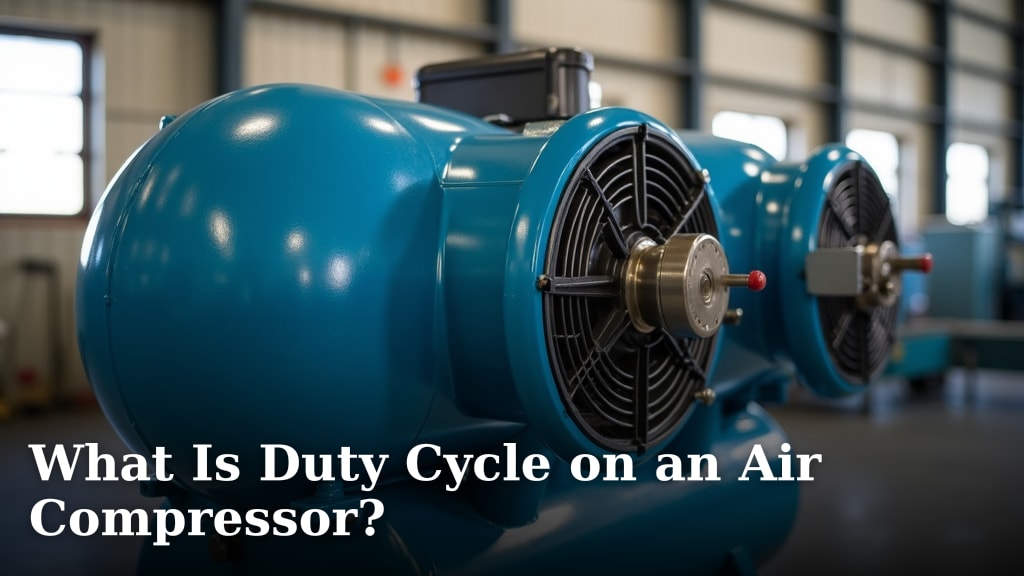
Duty cycle on an air compressor tells you how long the compressor can run in a given time period. It’s usually shown as a percentage, like 50% or 75%, and helps prevent your compressor from overheating.
Understanding the duty cycle is key for choosing the right air compressor for your projects. You want a compressor that can keep up with your work without needing constant cool-down breaks. It ensures your equipment lasts longer and performs better.
- Duty cycle is a percentage.
- It shows run time versus rest time.
- Prevents overheating and damage.
- Important for matching compressor to job.
So, why is this percentage so important, and how does it affect your everyday use? We’ve researched and found all the answers. Let’s dive into everything you need to know about air compressor duty cycles.
Understanding Your Air Compressor’s Duty Cycle
So, what exactly is this “duty cycle” thing, and why does it matter for your air compressor? Simply put, it’s a critical rating that protects your investment. This percentage tells you how much actual run time your compressor can handle within a specific period, typically a 10-minute cycle (Compressor World).
Imagine your air compressor working hard, building up pressure. It gets warm. A duty cycle of 50% means your compressor can run for 5 minutes and then needs 5 minutes to cool down. If it’s a 75% duty cycle, it runs for 7.5 minutes and rests for 2.5 minutes. This run/rest cycle is vital for its health.
Why Duty Cycle Matters for Compressor Longevity
You want your tools to last, right? Ignoring the duty cycle is like driving your car with the accelerator pressed to the floor all the time – it’s going to wear out fast. For air compressors, overheating is the enemy. Running a compressor beyond its rated duty cycle generates excessive heat.
This heat can damage internal components. We found that it affects everything from the motor windings to the pump seals. When these parts get too hot, they degrade quickly. You’ll end up with frequent breakdowns and costly repairs, or even a completely burned-out compressor.
Preventing Overheating and Component Damage
Think of the duty cycle as a built-in “cool-down” timer. It’s designed to keep the internal temperature within safe limits. By observing it, you ensure the motor doesn’t overheat. This also protects the pump, which is the heart of your compressor.
The oil in the compressor also suffers from excessive heat. It can break down faster, losing its lubrication properties. This leads to increased friction and wear. So, following the duty cycle isn’t just about the motor; it’s about preserving the entire system.
How Duty Cycle Is Calculated and Expressed
When you see a duty cycle percentage, it’s usually based on a fixed time frame. For most air compressors, especially smaller and medium-sized ones, this frame is 10 minutes. The calculation is straightforward: (Run Time / Total Cycle Time) x 100.
So, a 50% duty cycle means 5 minutes of run time in a 10-minute period. A 100% duty cycle means the compressor can run continuously without needing to rest. These are often found in heavy-duty industrial models built for constant use.
Understanding “Continuous Duty” Compressors
Some compressors are rated for 100% duty cycle. What does this mean? It means they’re designed with superior cooling systems and more robust components that can handle non-stop operation. You’ll typically find these in large workshops or industrial settings where air tools are constantly in use.
These units often have larger motors, bigger pumps, and more efficient cooling fans. They are built to withstand the demands of continuous work without generating damaging heat. For most home users, a 100% duty cycle compressor is often overkill and comes with a higher price tag.
Matching Compressor Duty Cycle to Your Application
Choosing the right air compressor isn’t just about tank size or CFM. The duty cycle is a critical factor for ensuring your compressor can keep up with your projects. Mismatched duty cycles lead to frustration and equipment failure.
Imagine trying to power a high-demand tool, like an impact wrench for stubborn lug nuts, with a compressor that only has a 25% duty cycle. You’d spend more time waiting for the compressor to cool down than actually working. This is where planning your purchase becomes important.
Different Tools and Their Air Demands
Air tools vary widely in how much air they consume. Some are light-duty, like nail guns for trim work. Others are heavy-duty, like sanders, grinders, or automotive impact wrenches. Each tool will affect how long your compressor needs to run.
- Intermittent Use Tools: Nail guns, staplers, tire inflators. These require short bursts of air, allowing the compressor plenty of rest.
- Medium Use Tools: Ratchets, small paint sprayers. These use air more consistently but often allow for some compressor cycling.
- Continuous Use Tools: Orbital sanders, die grinders, plasma cutters. These tools demand a steady, high volume of air, requiring the compressor to run for extended periods.
Duty Cycle Recommendations for Common Compressor Uses
We’ve researched common applications to give you a clearer idea of what duty cycle you might need. Remember, these are general guidelines. Your specific project might push these limits.
| Application | Typical Tools Used | Recommended Duty Cycle | Why This Duty Cycle? |
|---|---|---|---|
| Inflation/Small Projects | Tire inflators, blow guns, brad nailers | 25-35% | Intermittent, low air demand; plenty of cool-down time. |
| Home Garage/DIY | Impact wrenches (occasional), small paint guns, general cleaning | 50% | Balances work and rest for varied tasks; good all-rounder. |
| Professional/Heavy DIY | Orbital sanders, air grinders, automotive work (frequent) | 75% | Handles longer run times for more demanding tools; less waiting. |
| Industrial/Constant Use | Plasma cutters, production lines, continuous air supply | 100% | Designed for non-stop operation without overheating; maximum output. |
Impact of Tank Size on Apparent Duty Cycle
A larger tank doesn’t change the compressor’s rated duty cycle, but it can affect how often the compressor runs. A bigger tank stores more air. This means the compressor doesn’t have to cycle on as frequently to maintain pressure, giving it longer rest periods between runs.
For example, a compressor with a 50% duty cycle and a large tank might feel like it’s working longer. It’s not running continuously, but its cycles are less frequent. This can be beneficial for those who have bursts of high air demand followed by periods of inactivity.
Practical Tips for Managing Your Compressor’s Duty Cycle
You’ve invested in an air compressor, and you want to use it effectively without damaging it. How can you ensure you’re respecting its duty cycle? It comes down to a few simple habits and choices.
The goal is to prevent your compressor from overheating. This means being mindful of how long it runs and giving it adequate time to cool down. It’s like pacing yourself during a workout – you can’t sprint constantly without a break.
Strategies to Avoid Overworking Your Compressor
Being proactive is key. Don’t wait for your compressor to feel scorching hot or to shut down from thermal overload. We found that a little foresight goes a long way in protecting your equipment.
- Listen to Your Compressor: Pay attention to the motor sound. If it sounds strained or runs for unusually long periods, it might be overworking.
- Feel the Unit: Carefully touch the pump and motor housing (when off and cool) to get a baseline. If it feels excessively hot during operation, it’s a sign of stress.
- Monitor Tank Pressure: If the pressure drops quickly and the compressor cycles on immediately after shutting off, your tools might be demanding too much.
- Check for Leaks: Air leaks in hoses or connections make your compressor work harder to maintain pressure, effectively shortening its rest periods.
- Use the Right Tools: Ensure your air tools match the compressor’s CFM output. Oversized tools will force the compressor to run constantly.
Cool-Down Periods Are Non-Negotiable
When your compressor reaches its maximum run time according to its duty cycle, it needs to rest. Do not try to push it for “just a little longer.” This is where most damage occurs. Step away, grab a drink, or switch to a non-air-powered task.
Allowing the compressor to cool down fully ensures that all internal components return to a safe operating temperature. This isn’t wasted time; it’s preventative maintenance that saves you money and headaches in the long run. Respecting the rest cycle is respecting your compressor.
When to Consider an Upgrade or a Second Compressor
If you constantly find yourself waiting for your compressor to cool down, or if it frequently triggers its thermal overload protection, it’s a clear sign. Your current compressor might not be suitable for your demanding tasks. This is when you should think about bigger options.
Sometimes, simply adding a larger air receiver tank can help extend the perceived work time. But if the compressor itself (motor and pump) is undersized for your continuous needs, a bigger tank only delays the inevitable. You might need a unit with a higher actual duty cycle or even a second, dedicated compressor for heavy-duty tools.
Conclusion
Understanding your air compressor’s duty cycle is more than just knowing a percentage; it’s about protecting your investment. By matching your compressor’s capabilities to your project needs, you prevent overheating and premature wear. This ensures your tools last longer and perform reliably when you need them most. We found that respecting the run and rest cycles isn’t just a suggestion, it’s a fundamental part of proper equipment maintenance. So, before your next big project, take a moment to consider your compressor’s duty cycle. It will help you work smarter, not harder, and keep your air compressor running smoothly for years to come.
Frequently Asked Questions
Can I upgrade my air compressor’s duty cycle?
No, you generally cannot “upgrade” a compressor’s rated duty cycle. This rating is built into its design based on the motor, pump, and cooling system. You would need to purchase a compressor with a higher duty cycle to meet more demanding needs.
What happens if I ignore the duty cycle?
Ignoring the duty cycle leads to overheating. This can damage internal components like the motor, pump seals, and oil. It results in frequent breakdowns, costly repairs, and a significantly shortened lifespan for your compressor.
Does a larger air tank improve the duty cycle?
While a larger tank doesn’t change the compressor’s rated duty cycle, it can reduce how often the compressor runs. More stored air means fewer start/stop cycles, allowing for longer rest periods between runs. This can make a lower duty cycle compressor feel more capable for intermittent tasks.
How can I tell if my air compressor is overheating?
You can often tell by touch; the motor and pump housing will feel excessively hot. Your compressor might also run louder, sound strained, or its thermal overload protection might trigger, shutting the unit down temporarily. Pay attention to these signs.
Is a 100% duty cycle compressor always the best choice?
A 100% duty cycle compressor is ideal for continuous, heavy-duty applications. However, for most home users or smaller workshops, it’s often overkill. These units are typically more expensive and larger than what’s needed for intermittent tasks, making a 50% or 75% duty cycle compressor a more practical and cost-effective choice.
