
Do Plasma Cutters Need Air Compressor?
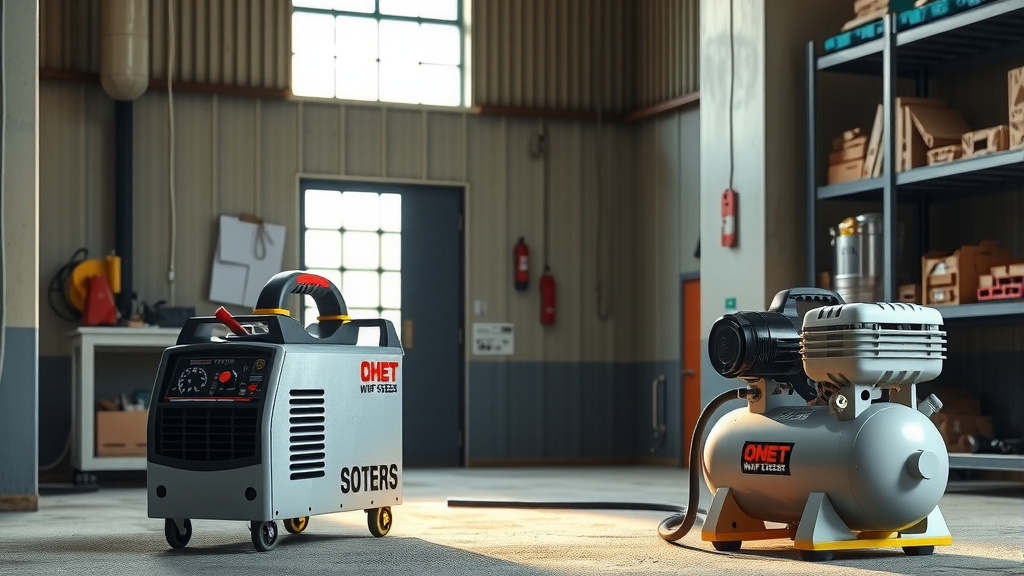
Yes, almost all plasma cutters absolutely need an air compressor to function correctly. The compressed air is essential for creating the plasma arc and for purging the molten metal from the cut, making it a critical component for effective plasma cutting.
- Most plasma cutters rely on an air compressor to generate the plasma arc and clear molten material.
- The right compressor ensures clean, efficient cuts and extends the life of your plasma cutter consumables.
- Key factors for selection include CFM (Cubic Feet per Minute) and PSI (Pounds per Square Inch), matching them to your cutter’s needs.
- Proper air filtration and maintenance are vital to prevent damage from moisture and oil.
- Choosing an appropriate air compressor means understanding your plasma cutter’s specific requirements.
Do Plasma Cutters Need Air Compressor?
Yes, nearly every plasma cutter relies on an air compressor to operate. This air creates the plasma stream and clears away cut material. Without it, your plasma cutter simply won’t work, or it will produce very poor cuts. Think of the compressor as the heart of your plasma cutting system.
Understanding How Plasma Cutting Works
Ever wondered how plasma cutters slice through metal so quickly? It’s quite fascinating! Your plasma cutter works by sending an electric arc through a gas, typically compressed air. This process creates a superheated, ionized gas—what we call plasma. This plasma stream then melts and blasts through conductive materials like steel, aluminum, and copper.
The Role of the Nozzle
The plasma itself is contained and directed by a small nozzle at the torch’s tip. This nozzle focuses the plasma stream into a very precise jet. It’s like using a laser, but with gas! We found that a focused stream is key to achieving clean and accurate cuts.
The Critical Role of Compressed Air in Plasma Cutting
So, where does the air compressor come in? It’s not just there for show. Compressed air plays multiple vital roles in the plasma cutting process. It’s truly a foundational element.
What Does the Air Actually Do?
First, the compressed air acts as the plasma gas. When electricity passes through it, the air ionizes and becomes plasma. Second, it helps cool the torch to prevent overheating, protecting your investment. Finally, and perhaps most visibly, it blows away the molten metal from the cut, creating a clean kerf. Imagine trying to cut without blowing away the debris—it would be a mess!
Matching Your Air Compressor to Your Plasma Cutter
Choosing the right air compressor for your plasma cutter is crucial. It’s not a one-size-fits-all situation. You need to consider two main specifications: PSI and CFM. These numbers are often listed in your plasma cutter’s manual.
PSI: The Pressure You Need
PSI, or Pounds per Square Inch, measures the pressure of the air. Your plasma cutter needs a specific amount of pressure to create and sustain the plasma arc effectively. Too little pressure, and your cuts will be weak or inconsistent. Most plasma cutters require between 60 to 90 PSI to operate correctly.
CFM: Airflow for Continuous Cutting
CFM, or Cubic Feet per Minute, tells you how much air your compressor can deliver. This is arguably the more critical specification for plasma cutters. Why? Because plasma cutting is a continuous process. You need a compressor that can supply a steady stream of air without running out. If your compressor’s CFM is too low, it will struggle to keep up, leading to frequent pauses and poor cut quality. We often see recommended CFMs ranging from 4 to 8 CFM for smaller cutters and much higher for industrial units.
Types of Air Compressors for Plasma Cutters
There are a few main types of air compressors you might consider. Each has its strengths and weaknesses when paired with a plasma cutter. Knowing the differences helps you make an informed choice.
Reciprocating (Piston) Compressors
These are the most common type, often found in home workshops. They use a piston to compress air into a tank. They are generally more affordable but can be noisy and generate more heat. For intermittent plasma cutting, they can be a good budget-friendly option.
Rotary Screw Compressors
Rotary screw compressors are typically found in industrial settings. They are quieter, more efficient, and designed for continuous duty. If you’re doing heavy-duty, prolonged plasma cutting, a rotary screw compressor offers superior performance and consistent air delivery.
Ensuring Clean, Dry Air: Why It Matters
Moisture and oil are the archenemies of your plasma cutter. They can damage consumables, reduce cut quality, and even shorten the lifespan of your torch. Many experts say that clean, dry air is non-negotiable.
Air Filters and Dryers
Always use an inline air filter to remove particulates and a good air dryer to eliminate moisture. A refrigerated air dryer is the most effective for serious users, but a desiccant dryer or even a simple moisture trap can help. These components are a small investment for long-term savings.
Choosing the Right Compressor: A Quick Checklist
Here’s a simple checklist to guide you when selecting an air compressor for your plasma cutter:
- Check your plasma cutter’s CFM and PSI requirements.
- Choose a compressor that meets or exceeds these specs.
- Consider the duty cycle of your compressor (can it run continuously?).
- Factor in the tank size for air reserve.
- Plan for proper air filtration and drying.
Comparing Compressor Specs for Plasma Cutters
Understanding what to look for can seem complex. Here’s a quick comparison to help visualize key requirements:
| Plasma Cutter Size | Typical CFM Needed | Typical PSI Needed | Recommended Tank Size (Gallons) |
|---|---|---|---|
| Small (20-30 Amp) | 3-5 CFM | 60-70 PSI | 10-20 Gallons |
| Medium (40-60 Amp) | 5-7 CFM | 70-80 PSI | 30-60 Gallons |
| Large (80+ Amp) | 7-10+ CFM | 80-90+ PSI | 60-80+ Gallons |
Common Issues from Poor Air Supply
What happens if your air supply isn’t up to par? You’ll quickly notice problems. Common issues include poor cut quality, shorter consumable life, and even damage to your plasma cutter. You might see slag, dross, or uneven cuts. Research often connects these issues directly to inadequate air quality or volume (Hypertherm).
Maximizing Your Compressor’s Lifespan
To keep your compressor running smoothly and reliably for your plasma cutter, a little care goes a long way. Regular maintenance prevents breakdowns and ensures consistent performance. Think of it as preventive medicine for your equipment.
- Drain the air tank daily to remove moisture buildup.
- Check and clean air filters regularly.
- Change the compressor oil (if applicable) as recommended by the manufacturer.
- Inspect hoses and fittings for leaks.
- Keep the compressor in a clean, well-ventilated area.
Conclusion
So, do plasma cutters need an air compressor? The answer is a resounding yes! A reliable air compressor is not just an accessory; it’s a fundamental part of your plasma cutting setup. By understanding the specifications of your plasma cutter and matching it with an appropriate compressor that delivers clean, dry air, you’re setting yourself up for successful, high-quality cuts and a longer lifespan for your equipment. Don’t underestimate the power of a good air supply—it makes all the difference in your metalworking projects!
What size air compressor do I need for a plasma cutter?
You need an air compressor that meets or slightly exceeds your plasma cutter’s specific CFM (Cubic Feet per Minute) and PSI (Pounds per Square Inch) requirements. Check your plasma cutter’s manual; a typical smaller unit might need 4-5 CFM at 60-70 PSI, while larger ones require 7-10+ CFM at 80-90+ PSI. Always prioritize CFM for continuous airflow.
Can I use a small pancake compressor with my plasma cutter?
While a small pancake compressor might technically produce air pressure, it usually lacks the necessary CFM and tank capacity for effective plasma cutting. It will quickly run out of air, leading to frequent interruptions, poor cut quality, and excessive wear on the compressor. For occasional, very short cuts, it might work, but it’s not recommended for consistent use.
How often should I drain my air compressor tank?
It’s best practice to drain your air compressor tank daily or after each use, especially if you live in a humid environment. Moisture naturally condenses inside the tank, and regular draining prevents rust, corrosion, and the introduction of water into your air lines, which can damage your plasma cutter.
What happens if I use dirty air with my plasma cutter?
Using dirty or moist air with your plasma cutter can lead to several problems. You’ll likely experience inconsistent cuts, reduced cutting speed, and a significantly shortened lifespan for your consumables (electrodes and nozzles). Moisture and oil can also contaminate the torch, causing arcing issues and potentially damaging internal components of your plasma cutter over time.
Do all plasma cutters use compressed air?
While the vast majority of handheld and smaller industrial plasma cutters use compressed air, some specialized industrial systems might use other gases like nitrogen, argon, or a mix of gases for specific applications or materials. However, for typical workshop and light industrial use, compressed air is the standard.
