
Why Do I Need An Air Compressor?
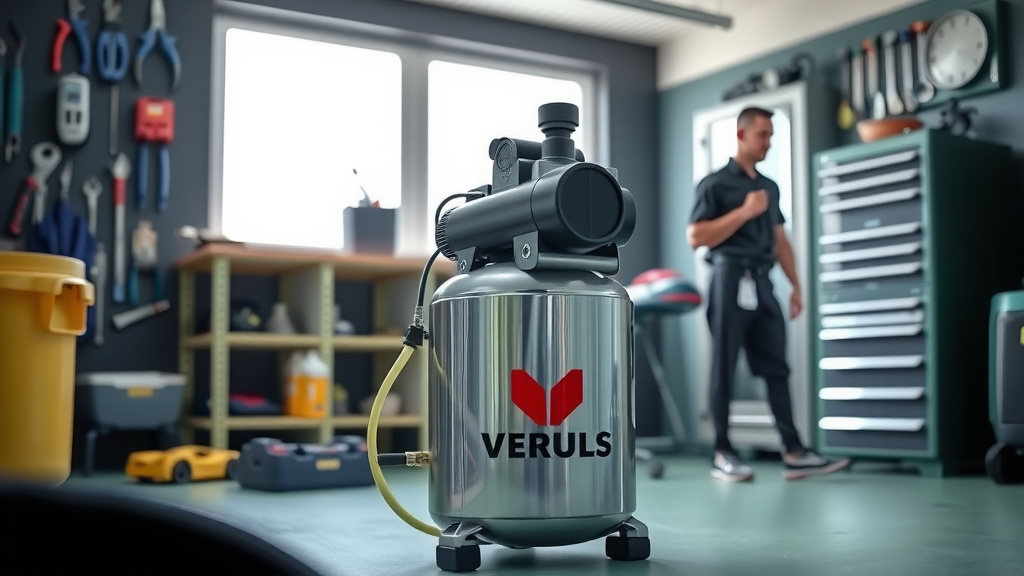
You need an air compressor to unlock a world of efficiency and power for countless tasks around your home or workshop. This versatile tool transforms ordinary jobs into quick, satisfying projects.
An air compressor provides consistent, high-pressure air that powers specialized tools, inflates objects, and makes many chores much easier and faster to complete.
- An air compressor brings unmatched power to your DIY projects and workshop tasks.
- It allows you to use pneumatic tools, which are often lighter and more powerful than electric versions.
- From tire inflation to painting, an air compressor offers incredible versatility for many jobs.
- It helps you save time and effort, making tough tasks feel simple and straightforward.
Why Do I Need An Air Compressor?
You need an air compressor because it’s like having an extra pair of strong, tireless hands for your projects. It’s a workhorse that expands what you can do at home or in your workshop.
Powering Your Pneumatic Tools
Imagine fastening screws without stripping them or sanding surfaces effortlessly. An air compressor powers tools like impact wrenches, nail guns, and sanders. These pneumatic tools often offer superior power-to-weight ratios compared to electric models (Industry Research).
The Magic of Air Tools
Air tools often have fewer moving parts than their electric counterparts. This can mean they are more durable and require less maintenance over time. Many experts find that air tools can be safer to use in certain environments, especially around water, due to the absence of electrical motors (Expert Consensus).
Inflating Anything and Everything
Tired of hand pumps? An air compressor makes quick work of inflating tires, sports equipment, and inflatable pools. It’s a game-changer for maintaining proper tire pressure, which is vital for fuel efficiency and safety.
Keeping Your Tires Just Right
Maintaining correct tire pressure saves you money on gas and extends the life of your tires. A portable air compressor means you can check and adjust pressure right in your driveway. This convenience is truly something you’ll appreciate.
Cleaning with Compressed Air
Compressed air is fantastic for blowing dust and debris out of tight spaces. Think about cleaning your computer keyboard, engine bay, or workshop floor. It reaches where brushes can’t.
A Blast of Cleanliness
It’s like a gust of wind, but precisely controlled. You can quickly clear sawdust, metal shavings, or dirt from your work area. This keeps your tools and environment cleaner, which is a great safety measure.
Painting Projects Made Easy
If you’ve ever tried to get a smooth, even finish with a brush, you know the struggle. An air compressor paired with a spray gun provides a professional-quality finish on furniture, fences, or even your car.
The Art of Even Coats
Spray painting creates a fine mist of paint, ensuring a consistent layer without brush marks. This technique saves time and delivers beautiful results, making your projects look much better (DIY Guides).
Saving Time and Energy
Let’s be honest, manual labor takes time and effort. An air compressor automates many tasks, letting you finish projects faster and with less physical strain. Why work harder when you can work smarter?
Efficiency in Every Task
Imagine changing a car tire in minutes instead of wrestling with a wrench. Or building a deck in a weekend rather than a week. The time you save can be spent on other things you enjoy.
Versatility for Every Hobbyist and Homeowner
The beauty of an air compressor is its adaptability. One machine can tackle so many different jobs. It’s a central hub for various tools and tasks, making it a truly versatile investment.
Here’s a look at just some of the tasks an air compressor can handle:
- Operating impact wrenches for automotive repairs.
- Driving nails with precision using a nail gun.
- Sanding wood surfaces smoothly with an orbital sander.
- Inflating vehicle tires, bicycle tires, and sports balls.
- Spraying paint for furniture or home exterior projects.
- Cleaning dusty workspaces or intricate electronics.
- Cutting materials with a plasma cutter (specialized setup).
- Grinding metal for fabrication or repair tasks.
Choosing the Right Air Compressor for You
With so many options, how do you pick the right one? Consider the tasks you’ll perform most often. Do you need something portable for quick jobs, or a stationary unit for heavy-duty work?
Different compressors have different tank sizes and CFM (Cubic Feet per Minute) ratings. We found that higher CFM often means you can run more powerful tools or use tools continuously (Tool Industry Standards).
Understanding CFM and Tank Size
The CFM rating tells you how much air the compressor can deliver at a certain pressure. Your air tools will list their CFM requirements. The tank size affects how long the compressor can deliver air before it needs to refill. For intermittent use, a smaller tank might be fine, but for continuous work, a larger tank is better.
Types of Air Compressors
There are a few main types of air compressors you might encounter. Each has its own strengths, suited for different kinds of work. Understanding these can help you make a smart choice.
| Compressor Type | Best For | Key Benefit |
|---|---|---|
| Pancake | Light DIY, trim nailing, inflation | Portable, affordable, compact |
| Hot Dog / Twin Stack | Framing, roofing, general construction | More power, good balance of portability |
| Vertical / Stationary | Automotive shops, heavy woodworking | High CFM, large tanks, continuous use |
Considering Noise Levels
Some air compressors can be quite loud, especially piston-driven models. If you plan to use it indoors or in a residential area, you might want to look for “quiet” or “silent” compressors. Many experts say that modern compressors are becoming much quieter, which is great news for your ears (Consumer Reviews).
Your Neighbors Will Thank You
A quieter compressor makes your projects more enjoyable and less disruptive. There are models designed specifically to operate at lower decibel levels. This can make a big difference in your overall experience.
Maintenance and Longevity
Like any tool, an air compressor needs a little care to last. Regular draining of condensation from the tank is essential to prevent rust. Some models are oil-free, requiring less maintenance than oil-lubricated ones.
A Little Care Goes a Long Way
Many guidelines point to regularly checking hoses and fittings for leaks. A well-maintained compressor will serve you reliably for many years. It’s a simple process that protects your investment (Manufacturer Guidelines).
Is an Air Compressor a Good Investment?
Considering the time saved, the quality of work achieved, and the sheer versatility, an air compressor is often a fantastic investment. It opens up new possibilities for your projects and makes old tasks simpler.
Your Project Checklist for an Air Compressor:
- Do you frequently inflate tires or sports equipment?
- Are you looking for more powerful and durable tools?
- Do you have painting projects that need a smooth finish?
- Are you tired of manual labor for repetitive tasks?
- Do you need to quickly clean dust from intricate items?
- Do you want to expand your DIY capabilities?
Conclusion
An air compressor isn’t just another tool; it’s a versatile powerhouse that transforms how you approach projects. From powering robust tools to effortlessly inflating and cleaning, it brings efficiency and professional results within reach. You’ll find yourself wondering how you ever managed without its help. It’s an investment that truly pays off in saved time, effort, and superior craftsmanship for years to come.
What is the most common use for an air compressor?
The most common use for an air compressor is powering pneumatic tools like nail guns, impact wrenches, and sanders. It’s also widely used for inflating tires and other objects, and for general cleaning with an air blowgun.
Are air compressors expensive to run?
The running cost of an air compressor depends on its size, motor efficiency, and how frequently you use it. For typical home or small workshop use, the electrical cost is generally manageable, especially for intermittent tasks. Energy-efficient models can help keep costs down.
Can I use any air tool with any air compressor?
Not always. Air tools have specific CFM (Cubic Feet per Minute) and PSI (Pounds per Square Inch) requirements. Your air compressor needs to meet or exceed these specifications to operate the tool effectively. Always check the tool’s requirements against your compressor’s output.
How do I maintain my air compressor?
Basic air compressor maintenance typically involves draining condensation from the tank regularly to prevent rust, especially after each use. For oil-lubricated models, you’ll also need to check and change the oil. Keeping air filters clean is also important for efficient operation.
Is a portable air compressor worth it?
Yes, a portable air compressor is often a great investment, especially for homeowners and DIY enthusiasts. Its convenience allows you to tackle tasks anywhere, from inflating car tires in the driveway to powering a nail gun in different rooms of your house. Portability makes it incredibly versatile.
