
Why Does My Air Compressor Kick On And Off?
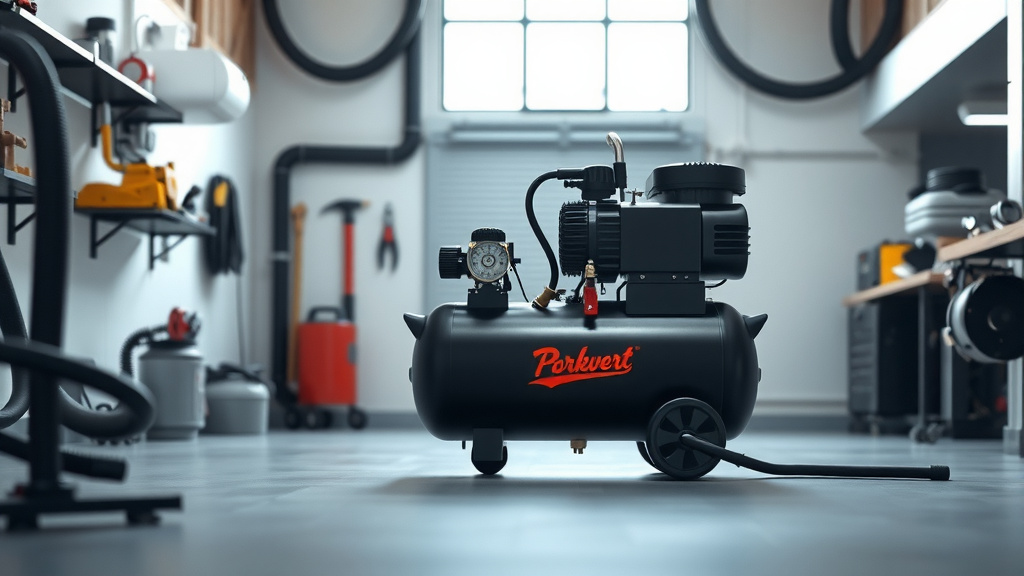
Your air compressor kicks on and off frequently due to common issues like air leaks, a faulty pressure switch, or an undersized tank.
This behavior usually points to a problem preventing the compressor from maintaining stable pressure, forcing it to restart constantly.
Here’s a quick overview of why your air compressor might be cycling too often:
- Air leaks are the most common cause, letting air escape and dropping tank pressure.
- A failing pressure switch might misread the tank pressure, causing erratic starts.
- An undersized air tank can’t hold enough air for your tools, making it run more.
- Sometimes, a clogged air filter or motor problem forces the unit to work harder.
- Even a simple unloader valve issue can trick the system into thinking it needs to restart.
Hello there! It sounds like your air compressor is playing a tricky game of “now you see me, now you don’t” with its run cycle. That constant kicking on and off isn’t just annoying; it can be a sign of deeper issues. You’re likely wondering what’s going on, right? Don’t worry, we’re here to help you understand why your trusty machine might be acting this way and how to fix it.
Why Does My Air Compressor Kick On And Off?
Your air compressor switches on and off when its internal system detects a drop in pressure, even a small one. This cycling indicates it’s trying to maintain a set pressure, but something is causing that pressure to fall too quickly.
The Pressure Switch: Your Compressor’s Brain
Think of your pressure switch as the air compressor’s brain. It tells the motor when to start and stop, based on the pressure inside the air tank. It has a set cut-in pressure (when it starts) and a cut-out pressure (when it stops). When this switch malfunctions, it can send incorrect signals, causing your unit to cycle erratically. We found that a failing pressure switch is a frequent culprit behind short cycling (Compressor Maintenance Guild).
Diagnosing a Faulty Pressure Switch
Is the compressor turning on even when the tank has plenty of air? Or perhaps it cuts off too soon? These are signs the switch might be bad. You can often hear a distinct click when the switch activates. If it’s clicking unusually or not at all, it’s worth checking.
The Silent Thief: Air Leaks
Air leaks are arguably the most common and frustrating reason your compressor cycles. Imagine trying to fill a bucket with a hole in it; it will never stay full. Similarly, a leak allows air to escape, causing the tank pressure to drop, and the compressor to restart to compensate. Many experts say that even tiny leaks add up quickly.
Finding Those Pesky Leaks
How do you find them? It’s easier than you think. Turn off the compressor, then spray a mixture of soapy water on all connections, hoses, and the tank itself. Watch for bubbles – they’re like tiny flags waving, pointing directly to the leak. Pay close attention to the drain valve, fittings, and quick-connect couplers.
Is Your Tank Too Small for the Job?
Sometimes, the problem isn’t a fault but a mismatch. If your air tank is too small for the demands of your air tools, it simply can’t store enough compressed air. This means it empties quickly, making the compressor kick on again almost immediately. We found that matching tank size to air tool CFM requirements is important for efficient operation (Industrial Air Standards).
Matching Tank Size to Your Needs
Consider what tools you’re using. A large impact wrench or sandblaster needs a much bigger tank and higher CFM than a small nail gun. If you’re constantly running demanding tools, an undersized tank will always struggle.
The Unloader Valve: A Hidden Culprit
The unloader valve releases any residual air pressure from the compressor’s piston or pump head when the unit shuts off. This allows the motor to start without having to push against full tank pressure. If this valve is stuck open or closed, it can cause problems. A stuck-open unloader valve will allow air to constantly leak, causing constant cycling.
Motor Overload or Overheating Issues
Sometimes, the compressor motor itself is the problem. If it’s consistently overheating or drawing too much current, its built-in thermal overload protection might kick in. This shuts off the motor to prevent damage, but then it tries to restart once it cools, leading to a frustrating on-off cycle. Overheating often points to a lack of ventilation or a failing motor component.
Clogged Air Filters: Choking Your Compressor
Just like you wouldn’t run a marathon while holding your breath, your compressor can’t run efficiently with a clogged air filter. A dirty filter restricts airflow, forcing the motor to work harder to pull in air. This extra strain can cause the motor to overheat or the pressure build-up to slow, leading to short cycling. Regular filter checks are a simple but vital maintenance task.
Checklist for Troubleshooting Your Air Compressor’s Cycling
Before you call in the experts, try these simple steps to pinpoint the issue:
- Listen carefully for hissing sounds to locate any obvious leaks.
- Use soapy water on all connections, hoses, and valves.
- Observe the pressure gauge: Does it drop quickly even when tools aren’t used?
- Check the air filter: Is it visibly dirty or clogged?
- Feel the motor: Is it unusually hot to the touch during operation?
Comparing Common Cycling Causes
Here’s a quick overview to help you understand the likely cause:
| Potential Issue | Primary Symptom | Quick Fix |
|---|---|---|
| Air Leaks | Pressure drops quickly without use, constant hiss. | Tighten fittings, replace seals/hoses. |
| Faulty Pressure Switch | Erratic on/off, wrong pressure readings, inconsistent clicks. | Adjust or replace the switch. |
| Undersized Tank | Compressor runs almost constantly with tools. | Use less demanding tools or upgrade. |
| Stuck Unloader Valve | Continuous air hiss from pump after shutoff. | Clean or replace valve. |
| Clogged Air Filter | Reduced airflow, motor straining/overheating. | Clean or replace the filter. |
Maintaining Your Compressor for Smooth Operation
Regular maintenance can prevent many of these issues. Checking for leaks periodically, draining condensation from the tank, and cleaning or replacing air filters are small steps that make a big difference. Think of it like giving your car an oil change – essential for longevity. We found that proactive maintenance significantly reduces compressor downtime (National Fluid Power Association).
Why Proper Ventilation Matters
Make sure your compressor has enough space around it for proper ventilation. A motor that can’t cool down effectively is prone to overheating and early failure. Proper airflow helps dissipate heat, especially if you have a heavy-duty compressor.
Conclusion
An air compressor that constantly kicks on and off is sending you a signal – something isn’t quite right. Most often, the culprit is an air leak, a pressure switch issue, or a mis-matched tank size. By systematically troubleshooting these areas, you can often identify and fix the problem yourself. Remember, a little investigation goes a long way in keeping your tools powered and your projects on track. Your compressor is a workhorse; give it the care it deserves!
How do I test my air compressor’s pressure switch?
To test your pressure switch, observe the pressure gauge as the compressor fills. Note the exact pressure when it cuts off and when it kicks back on. If these pressures are inconsistent, or if the compressor starts/stops at strange intervals despite stable tank pressure, your switch might be faulty. Always ensure the compressor is unplugged before touching internal components.
Can a faulty check valve cause frequent cycling?
Yes, a faulty check valve can definitely cause frequent cycling. The check valve prevents compressed air from flowing back into the pump from the tank when the compressor shuts off. If it fails, air can leak back, causing the tank pressure to drop and the compressor to restart to replenish it.
What is the ideal run time for an air compressor?
The ideal run time for an air compressor varies widely based on its size, tank capacity, and the demand placed on it. Generally, a compressor should run long enough to fill the tank to its cut-out pressure and then remain off until pressure drops significantly. Frequent, very short cycles (less than 15-30 seconds) often indicate a problem like a leak or faulty switch.
Why does my compressor sometimes struggle to start?
A compressor struggling to start often points to issues like low voltage, a faulty motor capacitor, or a problem with the unloader valve. The unloader valve is designed to release residual pressure from the pump head, allowing the motor to start without heavy load. If it’s stuck closed, the motor tries to start against full pressure, which can cause it to struggle or trip a breaker.
How often should I drain the moisture from my air tank?
You should drain the moisture from your air tank after every use, or at least daily if you use it frequently. Moisture (condensation) builds up inside the tank as air is compressed. This water can lead to rust and corrosion, potentially weakening the tank and causing air leaks or even tank failure over time.
