
How Many Amps Does A 220 Air Compressor Use?
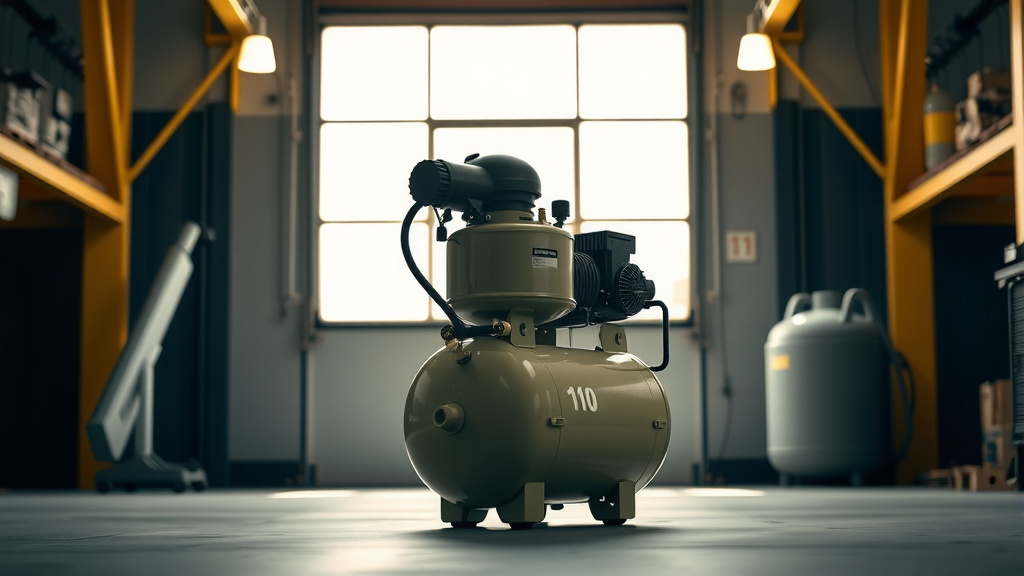
A 220V air compressor typically uses between 15 to 30 amps, though this can vary significantly based on its horsepower, motor efficiency, and tank size.
Understanding the specific amp draw of your 220 air compressor is essential for proper electrical circuit sizing and safe operation.
Here’s a quick summary of what you need to know about your 220V air compressor’s amp usage:
- Most 220V compressors fall within the 15-30 amp range.
- Horsepower (HP) is the main factor determining amp draw.
- Always check your compressor’s nameplate for exact electrical details.
- Proper circuit breakers and wiring are crucial for safety.
- Starting amps can be higher than running amps, requiring careful planning.
How Many Amps Does A 220 Air Compressor Use?
Your 220-volt air compressor will draw a certain amount of amperage to operate efficiently and safely. Typically, a 220 air compressor uses between 15 and 30 amps.
This range is quite broad, isn’t it? The exact number depends on several key factors, which we will explore. Getting this right prevents tripped breakers and potential electrical hazards.
Understanding Amp Draw: The Basics
Amp draw, or amperage, is the measure of electrical current flowing through a circuit. Think of it like water flowing through a pipe; amps measure the volume of flow. Higher horsepower compressors generally need more amps.
When you start your air compressor, its motor needs a surge of power. This temporary surge, known as starting amperage, is often much higher than its continuous running amperage. We found that this initial demand is a common reason for tripped circuits if not accounted for.
Why Your Compressor’s Horsepower Matters
The horsepower (HP) rating of your compressor’s motor is arguably the biggest indicator of its amp draw. A more powerful motor needs more electricity to do its job. It’s a bit like a bigger engine needing more fuel.
For example, a smaller 2 HP 220V compressor will draw fewer amps than a robust 5 HP model. We found that most consumer-grade 220V compressors range from 2 HP to 5 HP, directly impacting their electrical needs.
Typical Amp Ranges by Horsepower (220V)
Let’s look at some common approximations for 220V air compressors based on their horsepower. Remember, these are estimates; always verify with your specific unit.
| Compressor HP | Approximate Running Amps (220V) |
|---|---|
| 2 HP | 10-15 amps |
| 3 HP | 15-20 amps |
| 5 HP | 20-30 amps |
| 7.5 HP | 30-45 amps |
These values can guide your initial circuit planning. We found that motor efficiency and design also play a role in the actual amp draw. Newer motors often consume less power for the same output.
Locating Your Compressor’s Nameplate Information
The most accurate way to find your air compressor’s amp usage is to check its nameplate. This small metal or sticker label is usually found on the compressor’s motor or tank.
On the nameplate, you’ll find vital electrical specifications. Look for “FLA” (Full Load Amps) or “Rated Amps.” This is your compressor’s running amp draw. It might also list the recommended circuit breaker size.
The Difference Between Starting and Running Amps
We briefly mentioned starting amps, but let’s dive deeper. When an electric motor first starts, it needs a momentary surge of current to overcome inertia. This can be 2 to 6 times higher than its running amps.
Imagine pushing a heavy car from a standstill versus keeping it rolling. The initial push takes far more effort. This initial “surge” is why a circuit breaker might trip even if the running amps seem acceptable. Electrical standards suggest planning your circuit for this surge.
Calculating Your Air Compressor’s Amperage (If Not Listed)
What if your nameplate is unreadable or missing the amp rating? You can estimate it using a simple formula. For 220V single-phase motors, the formula is:
Amps = (HP x 746) / (Volts x Efficiency x Power Factor)
Don’t worry, you typically don’t need to be an electrical engineer. Most manufacturers provide the amp rating. But if you’re curious, you can use average values for efficiency (0.8-0.9) and power factor (0.85-0.95).
Circuit Breaker and Wiring Requirements for 220V Air Compressors
Matching your electrical circuit to your compressor’s needs is absolutely critical for safety. You need the right circuit breaker and wire gauge. A breaker that’s too small will trip constantly. One that’s too large won’t protect against overloads.
Many experts say that your circuit breaker should be rated slightly higher than the compressor’s full load amps, often by 125% for continuous loads (like a compressor). For example, a compressor drawing 20 amps might need a 25-amp breaker (20 x 1.25 = 25).
Choosing the Right Wire Gauge
The wire running to your compressor needs to handle the current without overheating. Thicker wires have lower gauge numbers and can carry more current. For a 20-amp 220V circuit, 12-gauge wire might suffice, but for higher amps, you’ll need 10-gauge or even 8-gauge. Always consult local electrical codes.
Safety First: Preventing Overloads and Hazards
Ignoring proper electrical sizing can lead to serious risks. Overloaded circuits can cause wires to overheat, melt insulation, and potentially start electrical fires. Nobody wants that!
Make sure your electrical outlet matches the compressor’s plug type. This might seem obvious, but incompatible plugs mean you’re probably adapting it, which isn’t always safe. A dedicated circuit is often recommended for larger compressors (Electrical Safety Foundation International).
When to Call an Electrician
Are you feeling overwhelmed by the electrical calculations or wiring? It’s perfectly okay, and actually smart, to call a licensed electrician. They can ensure your wiring and breakers are up to code and safely support your new air compressor.
There’s no shame in seeking professional help for electrical work. In fact, it gives you peace of mind and guarantees your setup is safe and compliant. Many homeowners find this a worthwhile investment.
Tips for Efficient Air Compressor Use
Beyond electrical hookup, how can you use your compressor more efficiently? Keeping your compressor in good shape actually helps its electrical draw. A well-maintained unit doesn’t have to work as hard.
- Regularly check for air leaks in hoses and connections.
- Keep the air filter clean to ensure proper airflow.
- Drain the tank regularly to prevent rust and maintain capacity.
- Ensure adequate ventilation around the compressor to prevent overheating.
- Don’t let the pressure switch cycle too frequently.
Troubleshooting Common Electrical Issues
If your circuit breaker keeps tripping, don’t just reset it repeatedly. That’s a sign of an underlying issue. Here’s a quick checklist to consider:
Before you run your air compressor, make sure you:
- Check the compressor’s nameplate for recommended breaker size.
- Verify your circuit breaker matches the compressor’s needs.
- Inspect the wiring for any visible damage or loose connections.
- Ensure other heavy appliances aren’t on the same circuit.
- Test the compressor on a known good, dedicated circuit if possible.
If these steps don’t resolve the issue, it’s definitely time to consult an electrician. Safety is always the top priority when dealing with electrical systems.
Conclusion
Understanding how many amps your 220 air compressor uses is more than just a technical detail; it’s a critical step for safety and efficiency. While most 220V compressors draw between 15 and 30 amps, always consult your unit’s nameplate for the precise figures. Matching your circuit breaker and wiring to these requirements will prevent headaches, tripped circuits, and potential hazards.
Remember, when in doubt about electrical installations, bringing in a qualified electrician is always the smartest move. Your safety and the longevity of your equipment are worth it!
What is the starting amperage of a 220V air compressor?
The starting amperage of a 220V air compressor can be significantly higher than its running amperage, often 2 to 6 times the full load amps. This temporary surge of current is needed to get the motor moving from a standstill.
Can I use a 220V air compressor on a 110V circuit with an adapter?
No, you absolutely cannot use a 220V air compressor on a 110V circuit with an adapter. This can damage the compressor, create a fire hazard, and will likely not even power the unit correctly due to insufficient voltage.
Why is my 220V air compressor tripping the circuit breaker?
Your 220V air compressor might be tripping the circuit breaker because the breaker is undersized for the compressor’s starting or running amps, there’s a fault in the compressor motor, or the wiring is inadequate. Overloaded circuits or a faulty outlet can also cause this problem.
Does tank size affect the amp draw of a 220V air compressor?
Directly, tank size does not affect the amp draw. The motor’s horsepower is the primary factor. However, a larger tank means the compressor might run for longer cycles to fill it, increasing the overall energy consumption during that period, but not the instantaneous amp draw.
How far can I safely run an extension cord for my 220V air compressor?
For 220V air compressors, extension cords should be avoided if possible. If necessary, use the shortest possible heavy-gauge cord (e.g., 10-gauge or thicker) specifically rated for 220V and the compressor’s amperage. Long or undersized cords can cause voltage drop and overheating, which can damage the compressor and pose a fire risk.
