
How Much PSI Do I Need to Inflate Car Tires?
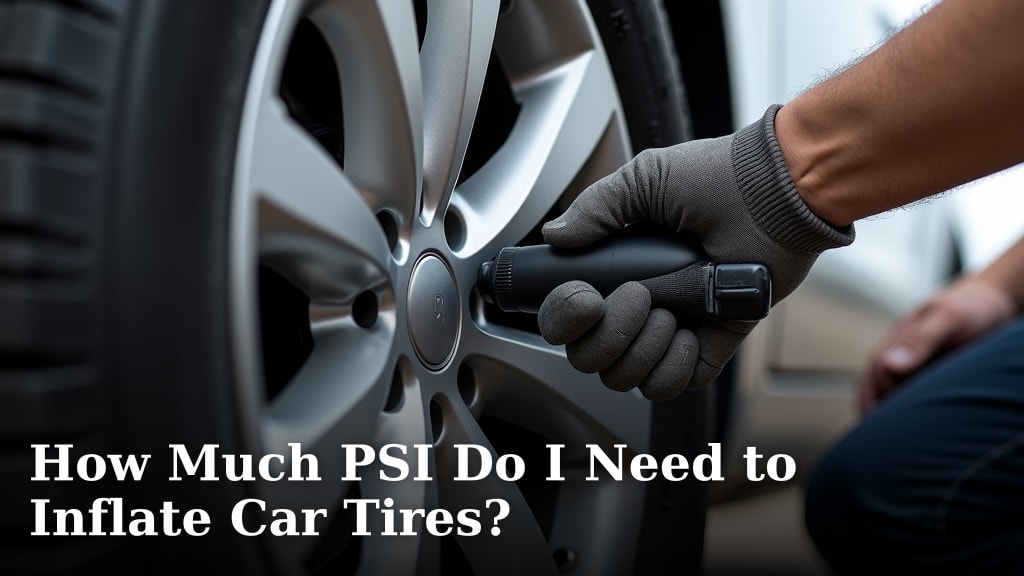
For most passenger vehicles, you need between 30 to 35 PSI (pounds per square inch) to inflate car tires. Always check your car’s tire placard or owner’s manual for the exact recommended PSI. This number can vary a bit depending on your specific vehicle and tire type.
Maintaining the correct tire pressure is super important for your safety and your wallet. Properly inflated tires help with better gas mileage and make your tires last longer. Under-inflated or over-inflated tires can lead to poor handling and accidents.
- 30-35 PSI is typical for most cars.
- Find your specific PSI on your car’s tire placard.
- Correct pressure improves fuel economy and tire life.
- Improper pressure is a safety risk and wears tires faster.
- Check your tire pressure at least once a month.
Let’s walk through exactly how to find your car’s ideal tire pressure and why it matters so much.
Finding Your Car’s Optimal Tire Pressure
So, you’re ready to find out precisely how much air your car tires need. It’s simpler than you might think! Forget guessing games; your car already tells you the right numbers.
We’re talking about the tire placard and your owner’s manual. These are your go-to sources for accurate PSI information.
Locating Your Tire Placard
Your tire placard is a small sticker or label found in one of a few common places on your vehicle. It lists the manufacturer’s recommended cold tire inflation pressure for your specific car model.
Most cars have this sticker on the driver’s side door jamb. Open your driver’s door and look at the frame where the door latches. You’ll likely see a white or silver sticker with lots of numbers and information.
If it’s not there, check your glove compartment door. Some manufacturers place it inside. Occasionally, it might be on the fuel filler door, so give that a look too.
What Does the Tire Placard Tell You?
The placard usually shows the recommended PSI for both your front and rear tires. Sometimes, these numbers are different, especially if your car carries more weight in the back or has a specific weight distribution.
It also indicates the correct tire size and sometimes the recommended spare tire pressure. Always pay attention to the “cold inflation pressure” part, which means checking your tires before driving.
Consulting Your Owner’s Manual
Lost your owner’s manual? Don’t worry, many car manufacturers offer digital versions online. Just search for your car’s make, model, and year, along with “owner’s manual.”
The manual will have a dedicated section on tires, covering recommended PSI, tire rotation schedules, and safety tips. It’s a goldmine of information about your specific vehicle.
Using both the placard and the manual ensures you have the most accurate information for your car.
Why Correct Tire Pressure Matters So Much
You might think a few pounds of air don’t make a big difference, but they really do! Proper tire inflation affects nearly every aspect of your driving experience.
It’s about more than just avoiding a flat. It impacts your safety, how your car handles, and even how much money you spend on gas and new tires.
Safety on the Road
Incorrect tire pressure can be a significant safety hazard. An under-inflated tire can lead to poor handling, especially during sudden turns or braking. It can also cause the tire to overheat and potentially blow out, which is extremely dangerous.
Over-inflated tires are also risky. They have a smaller contact patch with the road, reducing traction. This means less grip for braking and steering, and a harsher ride for you and your passengers.
We found that many safety organizations, like the National Highway Traffic Safety Administration (NHTSA), consistently highlight correct tire pressure as a key factor in crash prevention.
Extending Tire Life and Fuel Economy
Think of your tires as your car’s shoes. If they fit right, you walk comfortably and they last longer. The same goes for your tires and their PSI.
When tires are under-inflated, the sides (shoulders) flex excessively, causing them to wear down unevenly and much faster. This means you’ll need to buy new tires sooner than necessary.
Over-inflated tires wear out faster in the middle of the tread. Again, uneven wear shortens their lifespan. You want the tire to wear evenly across its surface for maximum longevity.
And then there’s fuel economy. Under-inflated tires create more rolling resistance. Your engine has to work harder to move the car, burning more fuel. Keeping your tires at the correct PSI can actually save you money at the pump over time.
| Tire Pressure State | Safety Impact | Tire Wear | Fuel Economy |
|---|---|---|---|
| Under-inflated | Poor handling, increased risk of blowouts, less stable braking. | Excessive wear on outer edges (shoulders). | Reduced (engine works harder). |
| Over-inflated | Reduced traction, harsher ride, less stable braking. | Excessive wear in the center of the tread. | Slightly improved (but at safety cost). |
| Correctly Inflated | Optimal handling, braking, and stability. | Even wear across the tread. | Maximized (less rolling resistance). |
Factors That Influence Tire Pressure
The PSI recommendation on your placard is a great starting point, but other elements can subtly affect what you need. It’s good to be aware of these.
Temperature Changes
Tire pressure is sensitive to temperature. For every 10-degree Fahrenheit change in ambient temperature, your tire pressure can change by about 1 PSI.
In colder weather, tire pressure drops. If you check your tires when it’s warm and then a cold snap hits, your tires might become under-inflated. Conversely, hot weather can increase PSI.
This is why it’s so important to check your tires regularly, especially when there are significant seasonal temperature shifts.
Vehicle Load and Towing
Are you carrying a heavy load? Or perhaps towing a trailer? Your car’s recommended PSI is usually for normal passenger loads.
When your car is heavily loaded, the tires need more air to support the additional weight. Check your owner’s manual for specific PSI recommendations when your vehicle is at its maximum capacity or when towing.
Ignoring this can lead to severely under-inflated tires, which, as we discussed, is a big safety risk.
Tire Type and Size
While the placard gives you the numbers for your original equipment (OE) tires, what if you’ve changed them?
If you’ve installed tires of a different size or type (e.g., all-terrain, performance), the recommended PSI might change slightly. Always consult with the tire manufacturer or a reputable tire shop for guidance on non-OE tires.
However, for most passenger cars with standard replacement tires, sticking to the car manufacturer’s recommendations is usually the best approach.
Checking Your Tire Pressure: A Quick Guide
Now that you know why it matters, let’s make sure you know how to check it yourself. It’s a simple task that takes just a few minutes.
What You’ll Need
- A good quality tire pressure gauge (digital or stick-style).
- Your car’s recommended PSI (from the placard or manual).
Step-by-Step Checklist
- Ensure tires are “cold” – meaning the car hasn’t been driven for at least three hours or more than a mile.
- Remove the valve cap from one tire.
- Press the gauge firmly onto the valve stem; you’ll hear a hiss.
- Read the PSI displayed on the gauge.
- Add air if the reading is too low, or release air if it’s too high.
- Repeat for all four tires, and don’t forget your spare!
- Replace all valve caps securely.
This simple habit can save you headaches and keep you safer on the road. Aim to check your tires at least once a month, and certainly before any long road trips.
Conclusion
Getting your car’s tire PSI right isn’t just a suggestion; it’s essential for your safety and your wallet. We’ve seen how correct pressure improves handling, extends tire life, and saves you money at the gas pump. Under or over-inflation creates risks and wastes resources. Your car’s tire placard and owner’s manual are your best guides for the exact numbers. Make checking your tire pressure a regular habit, ideally once a month. This simple step protects you, your passengers, and your investment in your vehicle.
Frequently Asked Questions
Can I use the PSI written on the tire’s sidewall?
No, you shouldn’t use the PSI on the tire’s sidewall. That number is the maximum cold inflation pressure the tire can safely hold. It’s not the recommended pressure for your specific vehicle. Always use the PSI found on your car’s door jamb placard or in the owner’s manual.
What happens if I over-inflate my tires?
Over-inflating your tires makes them too rigid. This reduces the tire’s contact patch with the road, leading to less traction and poorer braking. It also creates a harsher ride and causes the tire to wear out faster in the center of the tread.
How often should I check my tire pressure?
You should check your tire pressure at least once a month. It’s also a good idea to check it before any long road trips or if there are significant temperature changes. Cold weather especially can cause pressure to drop.
Does tire pressure affect my car’s gas mileage?
Yes, absolutely! Under-inflated tires create more rolling resistance, making your engine work harder. This uses more fuel, so maintaining proper PSI can help improve your gas mileage and save you money at the pump.
Should I adjust my tire pressure for hot weather?
Generally, no. The recommended PSI on your placard is for “cold” tires, meaning before you drive. While hot weather does increase internal tire pressure, it’s usually accounted for in the manufacturer’s recommendation. Only adjust pressure when tires are cold, and always aim for the placard’s specified PSI.
