
Can You Fly With An Air Compressor?
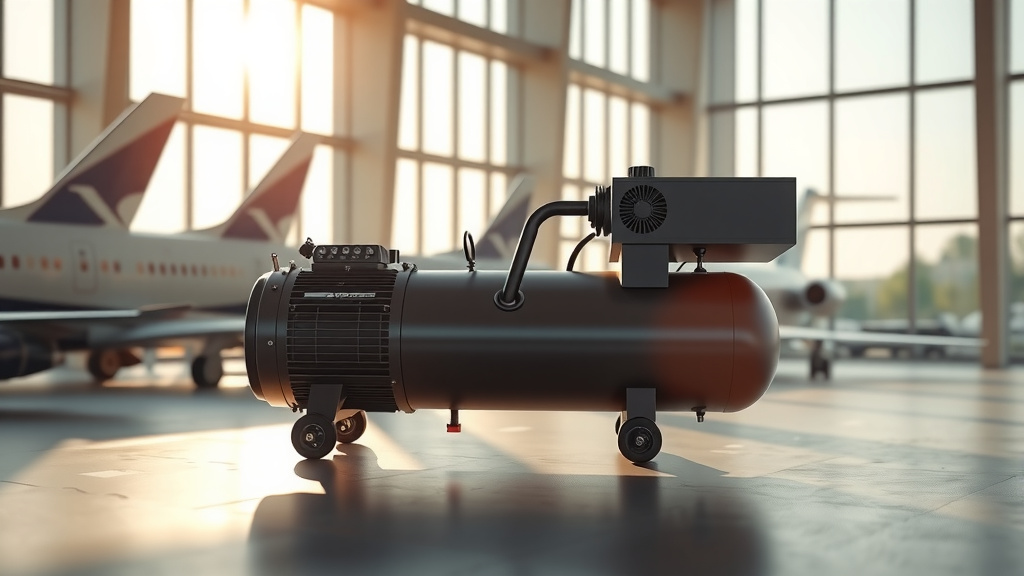
Flying with an air compressor is generally complex due to strict aviation safety regulations. You typically cannot carry an air compressor in your carry-on luggage.
Most airlines and security agencies permit an air compressor in checked baggage, but only after careful preparation like depressurizing and removing any fuel or oil.
- Air compressors are not allowed in carry-on bags due to safety concerns.
- You can often check an air compressor if it’s properly prepared for travel.
- Always depressurize the tank and drain all oil or fuel before packing.
- Lithium-ion batteries have strict rules; they usually belong in carry-on bags.
- Always contact your airline directly before flying to confirm their specific policies.
Can You Fly With An Air Compressor?
No, you generally cannot fly with an air compressor without careful planning and preparation. Most models are restricted, especially in carry-on luggage.
Think of it like any other piece of specialized equipment. Air travel has many safety rules you must follow.
Why Are Air Compressors Restricted on Flights?
Airlines and security agencies prioritize passenger safety above all else. Air compressors pose several unique risks during air travel.
These risks are why careful handling and specific rules are so important. We found that regulations primarily address these points:
- Pressurized tanks: A sudden pressure change could create a hazard.
- Flammable fuels: Gasoline or oil used in some compressors are fire risks.
- Hazardous materials: Certain components might be considered dangerous goods.
- Battery concerns: Lithium-ion batteries can overheat or short-circuit.
- Size and weight: Larger units might not fit or exceed limits.
Carry-On vs. Checked Baggage: What’s Allowed?
This is where things get really specific. The type of bag matters a lot for your air compressor.
Understanding these differences helps you plan your trip. Let’s break down the rules.
Air Compressors in Your Carry-On
Can you bring an air compressor onto the plane with you? The short answer is almost always no. We found this rule applies broadly.
TSA guidelines state that many power tools and their components are not allowed. This includes most air compressors (TSA.gov).
The main reason is the potential for danger. Pressurized items or items containing flammables are a no-go.
Air Compressors in Your Checked Baggage
This is often your best bet for flying with an air compressor. However, it’s not a free pass.
You must follow strict rules to get your compressor on the plane. Think of it as preparing a special package.
Many experts say proper preparation makes all the difference. This includes depressurizing and draining fluids.
| Compressor Location | General Rule | Key Requirements |
|---|---|---|
| Carry-On Bag | Generally NOT Allowed | Safety restrictions on pressurized items and tools. |
| Checked Bag | Often Allowed with Preparation | Depressurized, no fuel/oil, airline approval, proper packing. |
Traveling with Portable Air Compressors
What about smaller units, like those used for bike tires or crafts? Even these have rules you must follow.
Don’t assume small means exempt. Safety guidelines still apply, especially regarding batteries.
Cordless and Battery-Powered Models
Portable compressors often run on batteries. This adds another layer of rules to consider for flight.
Many small tire inflators fall into this category. They are popular for roadside emergencies or sports equipment.
Understanding Battery Rules for Flight
Batteries are a big deal for air travel. Lithium-ion batteries, especially, have strict rules.
We found that spare lithium-ion batteries (not installed in equipment) usually must go in your carry-on (FAA.gov).
If the battery is installed in the compressor, it might be allowed in checked luggage. Always check the battery’s watt-hour (Wh) rating.
Preparing Your Air Compressor for Air Travel
Getting your compressor ready is like a careful dance. Each step is important for safety and compliance.
Don’t skip any of these steps. This preparation ensures a smoother travel experience for everyone.
Depressurizing the Tank
This is a critical first step for any compressor with a tank. You must relieve all pressure.
Open the drain valve or run the compressor until the tank is empty. The pressure gauge should read zero.
A depressurized tank poses much less risk during flight. It’s like letting air out of a balloon.
Draining All Fluids
Many air compressors use oil or have fuel. These are often considered hazardous materials on planes.
Thoroughly drain all oil from the crankcase. For gas-powered compressors, completely drain the fuel tank.
Ensure no residual liquid remains. You want the compressor to be completely dry inside.
Securing Loose Components
Loose parts can cause damage or become lost. Take a moment to secure everything.
Remove hoses, nozzles, and power cords. Pack them separately or secure them tightly to the unit.
This step protects your compressor and your other luggage. It prevents anything from rattling around.
Proper Packing Techniques
How you pack your compressor matters. Use a sturdy container, like a hard-sided case.
Pad the compressor well with packing materials. Bubble wrap or foam inserts work great.
This protects the unit from bumps and drops. It’s like tucking it into a cozy, protective bed.
Essential Airline Communication
Never assume your airline knows your specific item. Always contact them directly before your trip.
A quick phone call can save you a big headache at the airport. Their rules can sometimes differ.
Ask about their specific policies for air compressors and battery types. Get their approval in writing if possible.
Your Flight-Ready Air Compressor Checklist
Before heading to the airport, run through this quick checklist. It helps ensure you’re prepared.
- Confirm compressor is fully depressurized.
- Verify all fluids are drained (oil, fuel).
- Check that batteries are handled correctly (installed or carry-on).
- Secure all loose parts and accessories.
- Pack the compressor in a sturdy, padded container.
- Contacted your airline and received approval.
Conclusion
Flying with an air compressor is certainly possible, but it demands careful planning and strict adherence to rules. You’ll likely need to pack it in your checked luggage, after thorough preparation.
The key steps involve depressurizing the tank, draining all fluids, and securing any loose components. Always remember to check with your specific airline, as their policies can vary.
Taking these precautions ensures a smoother airport experience. You want to avoid any surprises at the security checkpoint or baggage drop-off.
Can I fly with a small portable tire inflator?
You can usually fly with a small portable tire inflator if it is battery-operated and the battery is either removed and carried in your carry-on, or properly installed within the device (if permitted by airline). Ensure it’s depressurized and any power cords are secured. Always check with your airline first, especially regarding battery watt-hour limits.
What about airbrush compressors?
Small airbrush compressors often fall under similar rules. If they are oil-less and do not contain a significant pressure tank, they are generally easier to travel with. However, if they have a tank, it must be depressurized. Battery-powered models still require adherence to battery regulations. Best practice is always to inform your airline.
Do I need to declare my air compressor to TSA?
While you don’t typically “declare” a standard air compressor like you would customs items, you should certainly inform your airline when checking it. They may have specific procedures or require a special tag. TSA agents may inspect it, so ensure it’s easily accessible and prepared according to their guidelines.
What if my air compressor uses gasoline?
If your air compressor uses gasoline, it presents a significant challenge for air travel. Gasoline is highly flammable and considered a hazardous material. You must completely drain all fuel and allow the tank to air dry. Some airlines might still refuse gas-powered units entirely, even with proper draining. Shipping it via cargo service might be a better option.
Can I ship my air compressor instead?
Yes, shipping your air compressor via a freight or package delivery service is often a much easier and safer alternative to flying with it. This method avoids many airline and TSA restrictions. You will still need to properly prepare the compressor by depressurizing and draining fluids, but you can use more robust packaging without airline baggage limits. Compare costs and delivery times for the best fit.
