
Can You Leave Air in a Compressor Tank Overnight?
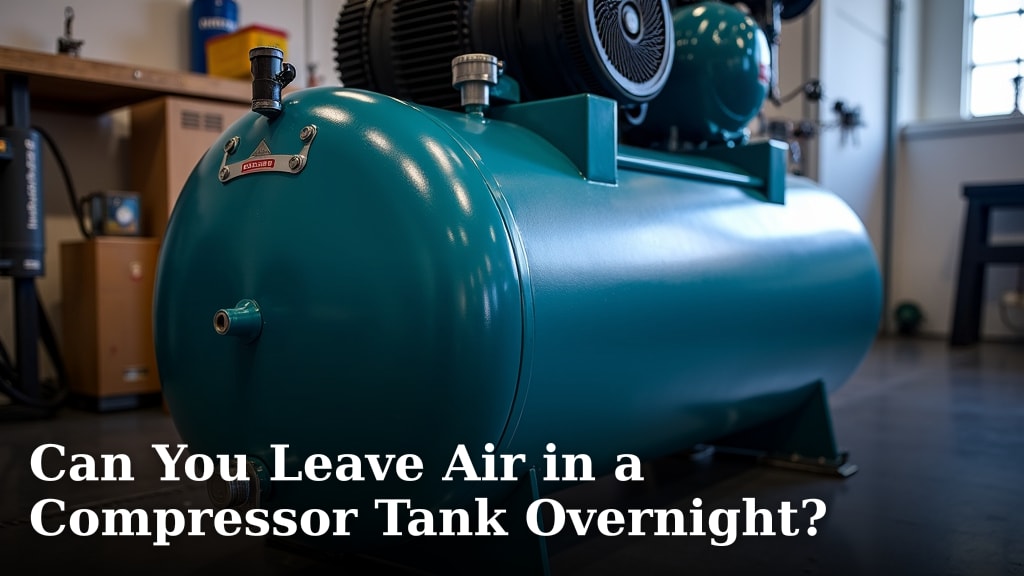
Yes, you can generally leave air in a compressor tank overnight, but it’s not always the Yes, you can generally leave air in a compressor tank, but our guide explains why it’s not always best.best practice. Leaving air stored in your compressor tank can be perfectly fine for short periods. However, it’s wise to consider a few factors to ensure the longevity of your equipment and avoid potential issues. We found that for most home and light-duty use, it poses no major threat.
The main concern with leaving air in the tank is moisture buildup. As the compressed air cools, water vapor can condense inside the tank. Over time, this water can lead to rust and corrosion within the tank. Many manufacturers recommend draining the tank regularly to prevent these problems and keep your compressor in good working order. It’s a simple step that can save you trouble later.
- Generally, yes, you can leave air in the tank overnight.
- The primary concern is moisture buildup, which can cause rust.
- Draining the tank regularly is recommended by experts.
- This helps prevent corrosion and extends the life of your compressor.
- It’s a good habit for long-term equipment health.
Let’s walk through the reasons why draining is recommended and what you can do to manage moisture in your compressor tank.
“`htmlStoring Air in Your Compressor Tank: What You Need to Know
So, can you just leave that compressed air sitting in your tank overnight? The short answer is generally yes. For most users, especially those with smaller, home-use compressors, leaving air in the tank overnight won’t cause immediate catastrophe. We found that many manufacturers are okay with this for short periods. For most users, leaving air in the tank overnight is okay, but this guide explains why it’s not ideal.
However, “okay” doesn’t always mean “ideal.” Think of it like leaving a glass of water out on the counter. It’s fine for a bit, but over longer periods, things can change. The primary thing to consider is what happens inside that tank as the air cools down.
The Moisture Factor: Your Tank’s Silent Enemy
Compressed air holds moisture. This is perfectly normal, just like the air around you. When the compressor runs, it heats up the air. As that hot, moist air is pumped into the tank, it’s still warm. But as the tank sits idle, especially overnight, the air inside cools down.
And here’s where the issue pops up: cooler air can’t hold as much moisture as warmer air. So, as the air cools, the excess water vapor it’s holding needs to go somewhere. It condenses, turning into liquid water. This water then settles at the bottom of your air compressor tank.
Why is Water in the Tank a Problem?
You might be thinking, “A little bit of water can’t hurt, right?” Well, over time, it absolutely can. That collected water is the perfect recipe for rust and corrosion. Metal tanks, especially steel ones, are susceptible to this.
We found that rust particles can get into your tools and air lines. This can cause malfunctions, reduce tool efficiency, and even damage them beyond repair. It’s like a slow, internal decay for your compressor. Imagine your favorite air-powered nail gun sputtering because of rust bits! Not a good scene.
Many experts strongly recommend draining your compressor tank regularly. This simple act is one of the most important maintenance steps you can take. It directly combats the moisture buildup before it can cause significant damage.
The Manufacturer’s Recommendation
What do the people who build these machines say? We checked, and most manufacturers are pretty clear on this. They typically advise draining the tank at the end of each use or at least once a day.
For example, guidelines from companies like DeWalt or Ingersoll Rand often mention draining the tank as a key maintenance task. This isn’t just to sell you more parts; it’s to ensure their equipment performs as intended and lasts as long as possible. Following these guidelines is a good way to honor your compressor’s warranty, too.
When is it Okay to Leave Air in the Tank?
While draining is recommended, there are situations where leaving air in the tank overnight might be considered less risky. It really depends on your usage and environment.
Short-Term Storage: A Quick Turnaround
If you’re using your compressor for a short project and plan to use it again first thing in the morning, leaving some air in might be convenient. You’ll have instant pressure, saving you the few minutes it takes to fill up.
We found that for typical DIYers who use their compressor maybe once or twice a week for a few hours, the risk of serious corrosion from overnight storage might be low. The key here is infrequent moisture accumulation. If you only drain it once a month, that’s different from draining it every time.
Environment Matters: Humidity and Temperature
The amount of moisture that condenses also depends heavily on your environment. If you live in a very dry climate, less water will likely condense. If you store your compressor in a cool, damp garage, you’ll probably see more condensation.
Likewise, the temperature swings overnight play a role. A big drop in temperature will cause more condensation than a slight one. So, consider where your compressor lives and what the typical weather is like. This can give you a clue about how much moisture is actually building up.
Best Practices for Managing Tank Moisture
Regardless of whether you drain it every night or not, there are steps you can take to manage moisture effectively. These practices will help protect your compressor, no matter your routine.
Regularly Drain the Tank
This is the golden rule we keep coming back to. Make it a habit to drain your compressor tank. Even if you don’t drain it completely every single time, a partial drain can help. It releases the built-up pressure and a good portion of the water.
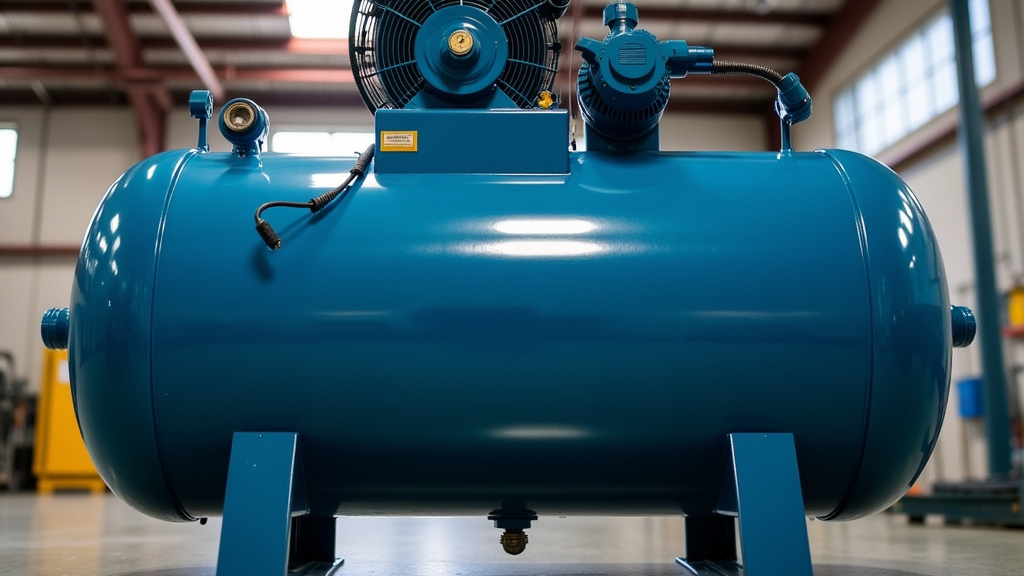
Most compressors have a drain valve at the bottom. It usually looks like a small spigot or knob. To drain, simply open this valve slowly. Be prepared for a hiss of air and possibly some water to come out. Always do this when the tank is depressurized or at a very low pressure for safety.
Consider an Air Dryer
For those who need very dry air, or who operate in humid environments, an air dryer is a worthwhile investment. These devices are installed in your air line and actively remove moisture from the compressed air before it reaches your tools or tank.
There are different types, including refrigerated dryers and desiccant dryers. Refrigerated dryers work by cooling the air to condense moisture, similar to how the tank does, but they do it more effectively. Desiccant dryers use materials that absorb moisture. While an added cost, they offer a higher level of dryness and protection for sensitive equipment.
Use Water-Filtering Regulators
Even if you drain your tank regularly, there can still be a bit of residual moisture. A water-filtering regulator can be installed at the point where you connect your tools. These devices not only regulate air pressure but also capture water droplets and particulate matter.
Many professional workshops use these extensively. They provide a final layer of defense against moisture and debris. They can also help extend the life of your air tools by ensuring they receive cleaner, drier air. We found these are particularly helpful for delicate or expensive pneumatic tools.
Inspect Your Tank Periodically
How often do you actually look inside your tank? If you can, a periodic visual inspection can tell you a lot. Shine a flashlight inside through the drain valve opening. Look for signs of rust, scale, or excessive sludge.
If you see a lot of corrosion, it might be time for a more thorough cleaning or even tank replacement. This kind of inspection is easier on smaller, portable tanks. Larger stationary units might require professional attention for internal checks. Early detection of rust can save you from a much bigger problem down the line.
The Downside of Storing Pressure Unnecessarily
Beyond moisture, there’s another subtle reason why constantly keeping pressure in your tank isn’t always the best idea. It’s about wear and tear.
Constant Stress on Seals and Fittings
When a tank is pressurized, there’s constant stress on all its components: the tank walls, the welds, the fittings, and any seals. While compressors are built to withstand pressure, leaving them pressurized 24/7 means they are always under load.
We found that over a very long time, this continuous stress can potentially lead to premature wear on seals, causing minor leaks. It’s not usually a dramatic failure, but more of a gradual decrease in efficiency. Releasing the pressure allows these components to relax.
Safety Considerations
While less common with modern compressors equipped with safety relief valves, leaving a tank fully pressurized means there’s always potential energy stored. In the rare event of a tank failure (which can be catastrophic due to the stored energy), a pressurized tank is more dangerous.
Most manufacturers recommend depressurizing the tank when not in use for extended periods. This is a simple safety precaution that aligns with good maintenance practices. It’s like putting your tools away securely after a job is done.
Your Compressor’s Health: A Quick Checklist
To keep your air compressor running smoothly and prevent issues like rust and leaks, consider these simple steps:
- Always drain your compressor tank after each use.
- If you can’t drain it daily, at least release most of the pressure.
- Periodically open the drain valve and let out any accumulated water.
- Check for signs of rust or corrosion inside the tank if possible.
- Consider adding a moisture filter or air dryer for critical applications.
- Inspect seals and fittings for any signs of wear or leaks.
By incorporating these habits, you’re not just maintaining your compressor; you’re investing in its longevity and reliability. Think of it as giving your compressor a little spa treatment now and then to keep it in top shape!
“`Conclusion
So, while you can leave air in your compressor tank overnight for short periods, it’s rarely the best choice for your equipment’s health. The main culprit is moisture, which leads to rust and corrosion over time, potentially damaging your tools and compressor. We’ve found that consistent draining is a simple, yet highly effective, maintenance habit.
To ensure your compressor serves you reliably for years to come, make it a priority to drain the tank regularly. It’s a small step that pays big dividends in longevity and performance. Make draining part of your routine today!
Frequently Asked Questions
How often should I drain my air compressor tank?
Experts and most manufacturers recommend draining your air compressor tank at the end of each use, or at least once daily. This simple habit is the best defense against moisture buildup and internal rust.
What happens if I never drain my compressor tank?
If you never drain your compressor tank, moisture will build up, leading to rust and corrosion. This can damage the tank, contaminate your air supply, and cause your tools or compressor to malfunction over time.
Is it okay to leave a little air pressure in the tank overnight?
Leaving a small amount of pressure might be acceptable for short periods if you plan to use the compressor again soon. However, even a little pressure allows moisture to condense. It’s still best practice to drain the tank whenever possible.
Can a rusty compressor tank be fixed?
Minor rust inside a tank can sometimes be cleaned out. However, significant corrosion or damage may require professional cleaning or even replacement of the tank itself. Regular draining prevents this extensive damage.
Does draining the tank completely hurt my compressor?
No, draining your compressor tank completely does not harm it. In fact, releasing the pressure and allowing any accumulated moisture to escape is beneficial for its long-term health and performance.
