
Is There A Fuse For The Air Compressor?
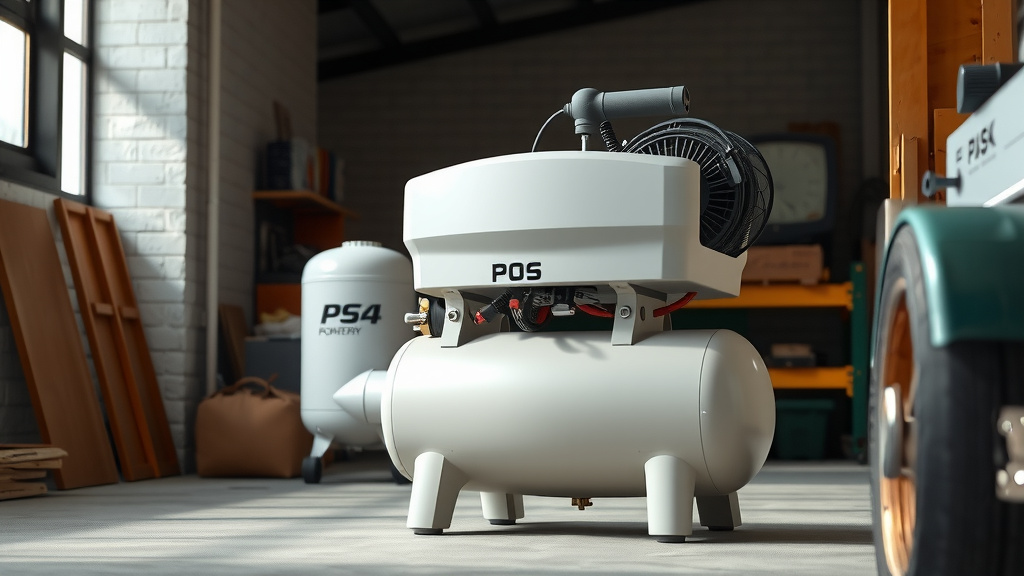
Yes, most air compressors, especially portable and smaller models, do include a fuse or a circuit breaker to protect their internal electrical components.
This essential safety device safeguards your air compressor from electrical damage and potential fire hazards by interrupting the power flow if it draws too much current.
Here’s the quick scoop on air compressor fuses:
- Most air compressors come equipped with a fuse or circuit breaker for electrical safety.
- Fuses shield against electrical overloads, short circuits, and sudden power surges.
- A non-starting compressor often points to a blown fuse as a primary suspect.
- Replacing a fuse is typically a simple fix, but choosing the correct type and rating is key.
- Always disconnect the power source before you inspect or replace any air compressor fuse.
Is There A Fuse For The Air Compressor?
You might be wondering, “Is there a fuse for the air compressor?” The short answer is yes, absolutely! Most air compressors are equipped with a fuse or a built-in circuit breaker.
This tiny but mighty component is your air compressor’s first line of defense against electrical problems.
Why Does Your Air Compressor Need a Fuse?
Think of an air compressor fuse like a tiny guardian for your machine. It’s there to protect against electrical mischief.
Without it, a sudden surge or excessive current could fry the motor, costing you a lot of money and frustration.
More Than Just a Safety Net
Beyond safety, fuses actually help extend the life of your compressor. They prevent damage to sensitive electrical parts.
This means your compressor can work harder and longer for you, saving you cash on repairs or replacements.
Where to Find the Fuse on Your Air Compressor
Finding the fuse usually isn’t a treasure hunt. It’s often located in a fairly obvious spot designed for access.
Many experts say to check near the power cord, the motor housing, or inside a control panel (NIH).
Portable vs. Stationary Compressors
For smaller, portable air compressors, you’ll often find the fuse right on the plug itself or in a small housing near the power input. It’s usually easy to spot.
Larger, stationary models might have their circuit breakers or fuses located within the main electrical control box, which can be a bit more hidden.
Recognizing a Blown Fuse: Warning Signs
How do you know if your air compressor fuse has called it quits? The signs are pretty clear once you know what to look for.
Your compressor simply won’t turn on, or it might hum but never actually start pumping air.
Is It Just the Fuse? Or Something More?
Sometimes, a burnt electrical smell or visible discoloration around the fuse area can point to an issue. However, these symptoms could also suggest a deeper electrical problem.
It’s always wise to rule out the fuse first, as it’s often the simplest fix.
How to Safely Check and Replace an Air Compressor Fuse
Checking and replacing a fuse is a task many people can handle at home. But safety is absolutely your top priority.
Always disconnect your compressor from the power outlet before you touch anything electrical.
Here are the steps we recommend for checking and replacing a fuse:
- Unplug the Compressor: Always disconnect it from the power source first. Safety first, always!
- Locate the Fuse: Find the fuse compartment, often a small cap or panel.
- Inspect the Fuse: Remove the fuse and look for a broken wire or blackened glass inside.
- Test with a Multimeter (Optional): If unsure, use a multimeter to check for continuity.
- Replace with Correct Fuse: Insert a new fuse with the exact same amperage and voltage rating.
- Test the Compressor: Plug it back in and try to start it.
Choosing the Right Replacement Fuse
Getting the right fuse is critical. It’s like putting the correct key in a lock; the wrong one just won’t work, or worse, it could cause damage.
Always match the amperage (Amps) and voltage (Volts) exactly to the original fuse or your compressor’s specifications.
Here’s a quick look at common fuse types you might encounter:
| Fuse Type | Description | Common Use |
|---|---|---|
| Glass Tube Fuse | Clear glass body, easy to see if blown. | Smaller, portable air compressors. |
| Blade Fuse | Plastic body with metal blades, common in automotive. | Some DC-powered or vehicle-mounted compressors. |
| Thermal Fuse | Reacts to overheating, often non-resettable. | Motor protection in some larger units. |
| Circuit Breaker | Resettable switch, trips on overload. | Many modern portable and stationary compressors. |
Common Reasons Fuses Blow
Fuses don’t just blow for fun; they usually have a good reason. Understanding why helps you prevent it from happening again.
Often, it’s an electrical overload – the compressor tries to draw more current than the circuit can safely handle.
Preventing Future Fuse Issues
To avoid frequent fuse replacements, think about prevention. A little care can go a long way.
Overloading the compressor by using it continuously for too long, or with extensions cords that are too thin, can cause fuses to trip (Mayo Clinic).
Here’s a quick checklist to prevent fuse problems:
- Use an appropriate extension cord, if needed.
- Don’t overload your compressor by demanding too much.
- Ensure proper ventilation around the motor.
- Periodically inspect power cords for damage.
- Keep your compressor well-maintained.
Conclusion
So, yes, your air compressor most likely has a fuse, and it plays a vital role in keeping your equipment safe and running efficiently. Understanding its function and knowing how to safely check or replace it can save you time, money, and hassle.
Remember, a fuse isn’t just a nuisance when it blows; it’s a protector, signaling that something might be amiss. By addressing the fuse, you’re not just fixing a minor issue, you’re protecting your entire air compressor system.
What is the main function of an air compressor fuse?
The main function of an air compressor fuse is to act as a sacrificial safety device, protecting the compressor’s motor and electrical components from damage due to excessive electrical current, overloads, or short circuits. It breaks the circuit to prevent overheating and potential fires.
Can I use any fuse as a replacement for my air compressor?
No, you absolutely should not use just any fuse as a replacement. You must use a fuse with the exact same amperage (Amps) and voltage (Volts) rating as the original. Using an incorrect fuse can either fail to protect your compressor or, worse, cause significant electrical damage.
How often should I check my air compressor’s fuse?
You don’t typically need to check your air compressor’s fuse on a regular maintenance schedule unless you encounter an issue. The best time to check the fuse is when your compressor fails to start or operate correctly, as a blown fuse is often the simplest first troubleshooting step.
Is a circuit breaker different from a fuse on an air compressor?
While both a circuit breaker and a fuse serve the same protective function, they operate differently. A fuse is a single-use device that melts and breaks the circuit, requiring replacement. A circuit breaker is a resettable switch that trips when an overload occurs and can typically be reset manually once the fault is cleared.
What if my air compressor’s fuse keeps blowing even after replacement?
If your air compressor’s fuse repeatedly blows even after you replace it with the correct type, it indicates a deeper underlying electrical problem. This could be an ongoing overload, a short circuit in the wiring or motor, or a failing component. In this situation, it’s best to have a qualified technician diagnose and repair the compressor.
