
How Many Amps Does A 12V Air Compressor Draw?
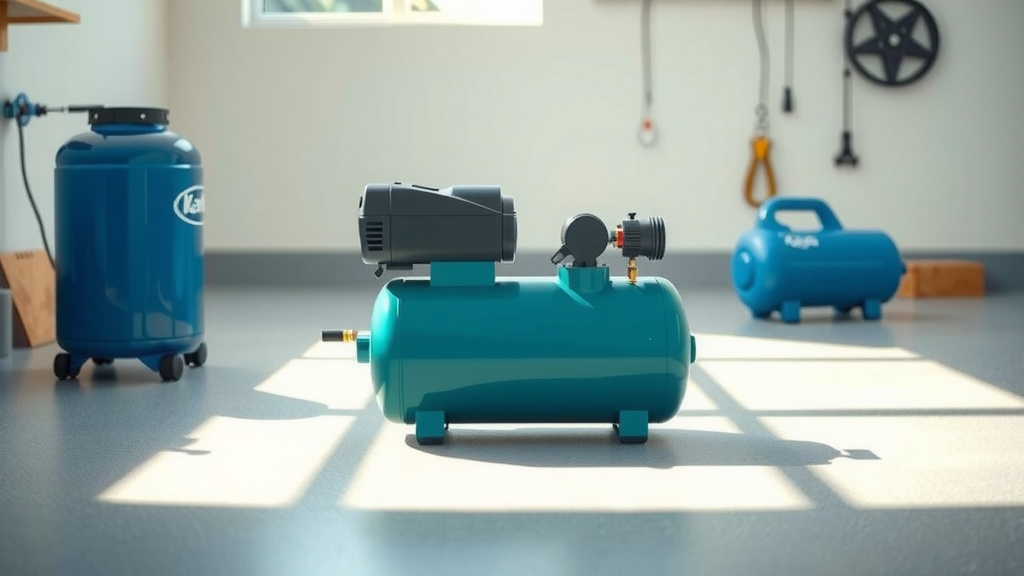
A 12V air compressor typically draws between 15 and 45 amps, depending on its power, duty cycle, and the pressure it’s working against.
Smaller, portable 12V air compressors for tires usually pull less current, while heavy-duty models can draw significantly more amps to inflate larger items.
TL;DR: Here’s what you need to know about a 12V air compressor’s amp draw:
- The amp draw for a 12V air compressor varies widely, often from 15 to 45 amps.
- Smaller compressors use less power, while larger ones need more.
- The higher the pressure needed, the more current the compressor draws.
- Always check your compressor’s manual for exact specifications to avoid electrical issues.
- Having the right power source and wiring is key for safe operation.
How Many Amps Does A 12V Air Compressor Draw?
When you plug in your 12V air compressor, it starts pulling electrical current from your vehicle’s battery. This current, measured in amps, is essential for its operation.
Knowing this amp draw helps you understand its power needs and whether your vehicle’s electrical system can handle it safely.
Why Does Amp Draw Matter So Much?
Understanding the amp draw of your 12V air compressor is more than just a technical detail. It’s about safety and performance.
If your compressor tries to draw more amps than your wiring or fuse can handle, you’re looking at potential problems. This could range from a blown fuse to overheating wires.
Nobody wants a dead compressor or electrical damage when they need air the most. We found that matching the amp draw to your vehicle’s capacity is absolutely critical.
Protecting Your Vehicle’s Electrical System
Your vehicle’s electrical system has limits. Each wire and fuse is designed for a maximum current flow.
Exceeding these limits can cause severe damage. Think of it like trying to fit too much water through a small pipe; pressure builds, and something breaks (National Highway Traffic Safety Administration).
Properly sizing your compressor to your vehicle prevents these issues.
Factors Affecting Your Compressor’s Amp Draw
It’s not a single number for all 12V compressors. Several elements play a big role in how many amps are pulled.
These factors directly influence the power demands. Let’s look at what makes the numbers change.
Compressor Size and Motor Power
A larger motor needs more electricity to run. It’s a simple relationship: bigger compressor, higher amp draw.
A tiny portable unit for bicycle tires will use far less power than a robust off-road compressor meant for large truck tires.
Always consider the physical size and motor ratings. We found that manufacturers list these details in the product specifications.
Pressure (PSI) Requirements
The more pressure (PSI) your compressor needs to generate, the harder its motor works. This extra effort translates directly into higher amp consumption.
Inflating a tire from flat to 35 PSI uses fewer amps than trying to reach 100 PSI for a small air tank. The compressor struggles more, using more energy.
Duty Cycle and Run Time
Duty cycle refers to how long a compressor can run continuously before needing to cool down. A compressor running for longer periods will draw amps for extended durations.
If you’re using a compressor with a low duty cycle for a long task, it might struggle and heat up quickly, potentially pulling more amps as it tries to keep up.
Hose Length and Diameter
Believe it or not, your air hose can affect amp draw too. Longer or narrower hoses create more resistance for the air flow.
This increased resistance means the compressor has to work harder to push air through. We found that this extra effort can lead to a slight increase in amp draw.
Typical Amp Draw Ranges for 12V Compressors
To give you a better idea, here’s a general breakdown of amp draw based on common compressor types. Remember, these are averages, and your specific unit might vary.
Here’s a simple table showing common 12V compressor types and their typical amp draw:
| Compressor Type | Typical Amp Draw | Common Use |
|---|---|---|
| Small Portable Inflator | 10 – 20 Amps | Car tires, bicycle tires, sports equipment |
| Medium-Duty Off-Road | 20 – 30 Amps | Larger SUV/truck tires, moderate deflating/inflating |
| Heavy-Duty/Twin Cylinder | 30 – 45+ Amps | Large truck tires, air lockers, small air tools |
Small, Portable Tire Inflators
These compact units are great for emergencies or topping off your car tires. They typically draw the least amount of power.
You’ll often see them rated around 10 to 20 amps. This makes them easy to power from a cigarette lighter socket, though it’s always smart to check your vehicle’s socket rating.
Medium-Duty Off-Road Compressors
If you’re airing down for the trails and need to air back up, these are common. They are designed for more rigorous use than the small inflators.
These types usually fall into the 20 to 30 amp range. You’ll likely connect these directly to your battery for consistent power.
Heavy-Duty Workshop or Air Locker Models
For serious off-roaders or those who need to power air lockers, heavy-duty compressors are the choice. These are built for tough jobs and higher demands.
They can pull 30, 40, or even 45+ amps. Such high draws mean you absolutely need proper heavy-gauge wiring and dedicated circuits.
Checking Your Compressor’s Actual Amp Draw
While general ranges are helpful, knowing your specific unit’s draw is best. You wouldn’t want to guess with your vehicle’s electronics, would you?
There are a couple of straightforward ways to find this information and ensure you’re always prepared.
Using an Ammeter
An ammeter is a tool that measures electrical current. You can connect a clamp-on ammeter around one of the compressor’s power wires while it’s running.
This gives you a real-time reading of the actual amp draw. It’s a great way to confirm if your compressor is working as expected (Electrical Safety Foundation International).
Consulting the Product Manual
The simplest and most reliable method is to check the compressor’s instruction manual or product specifications. Manufacturers always list the maximum amp draw.
This information is your best friend for safe and proper installation. If you lost the paper manual, often you can find it online.
Ensuring Safe Operation: What You Need
You’ve got your compressor, and you know its amp draw. Now, how do you make sure you use it safely and effectively?
Following a few simple steps will save you headaches. Here’s a quick checklist:
- Match the Fuse: Always use a fuse rated slightly higher than your compressor’s maximum amp draw, but never lower.
- Inspect Wiring: Make sure your vehicle’s wiring to the power source can handle the compressor’s load without getting hot.
- Check Battery Health: A weak or old battery might struggle to power a compressor, potentially causing voltage drops.
- Keep Connections Clean: Corroded terminals increase resistance and can cause electrical problems.
- Follow Manual Guidelines: Stick to the manufacturer’s recommendations for use, duty cycle, and power.
Proper Wiring and Fuses
For higher amp compressors, direct connection to your vehicle’s battery with heavy-gauge wiring is crucial. Use a dedicated circuit with an appropriate fuse.
A fuse protects your system by blowing before wires overheat. Many experts say that using an undersized fuse is just as risky as using none.
Battery Health and Capacity
Your 12V battery needs to be in good condition to supply the necessary power. A weak battery might not deliver enough current, making the compressor work harder or not at all.
Ensure your battery has sufficient cold cranking amps (CCA) for your vehicle, as a healthy battery is the foundation of your electrical system.
Conclusion
Understanding how many amps your 12V air compressor draws is a key part of responsible and safe operation. It’s not just a number; it protects your equipment and your vehicle.
From knowing the factors that influence draw to checking your manual and ensuring proper wiring, you’re now better equipped. Always prioritize safety and match your setup to your needs. Your compressor and vehicle will thank you!
What happens if a 12V air compressor draws too many amps?
If your 12V air compressor draws too many amps for the circuit it’s connected to, it can blow a fuse, overheat wiring, or even damage your vehicle’s electrical system. This happens when the current exceeds what the wires and fuses are designed to safely carry.
Can I plug a 12V air compressor into a cigarette lighter socket?
You can plug small, low-amp 12V air compressors (typically under 15 amps) into a cigarette lighter socket. However, most vehicle cigarette lighter sockets are fused for 10-15 amps. Always check your vehicle’s manual and the compressor’s amp draw before connecting to avoid blowing a fuse.
Does a 12V air compressor draw more amps when starting up?
Yes, many electrical motors, including those in 12V air compressors, experience an initial surge of current (inrush current) when they first start. This momentary spike is usually higher than the continuous running amp draw, but it’s typically accounted for in the compressor’s design and fuse recommendations.
How can I reduce the amp draw of my 12V air compressor?
You generally cannot reduce a compressor’s inherent amp draw, as it’s determined by its motor design and the work it’s doing. However, you can ensure efficient operation by using shorter, wider air hoses, maintaining clean electrical connections, and not forcing the compressor to exceed its rated PSI, which can prevent it from drawing more than its intended current.
Is a higher amp draw always better for a 12V air compressor?
Not necessarily. A higher amp draw usually indicates a more powerful motor, which can inflate tires faster or reach higher pressures. However, it also means greater demand on your vehicle’s electrical system and requires heavier gauge wiring. The “best” amp draw depends on your specific needs and your vehicle’s capacity, balancing power with safe operation.
