
Where Is Air Compressor Located?
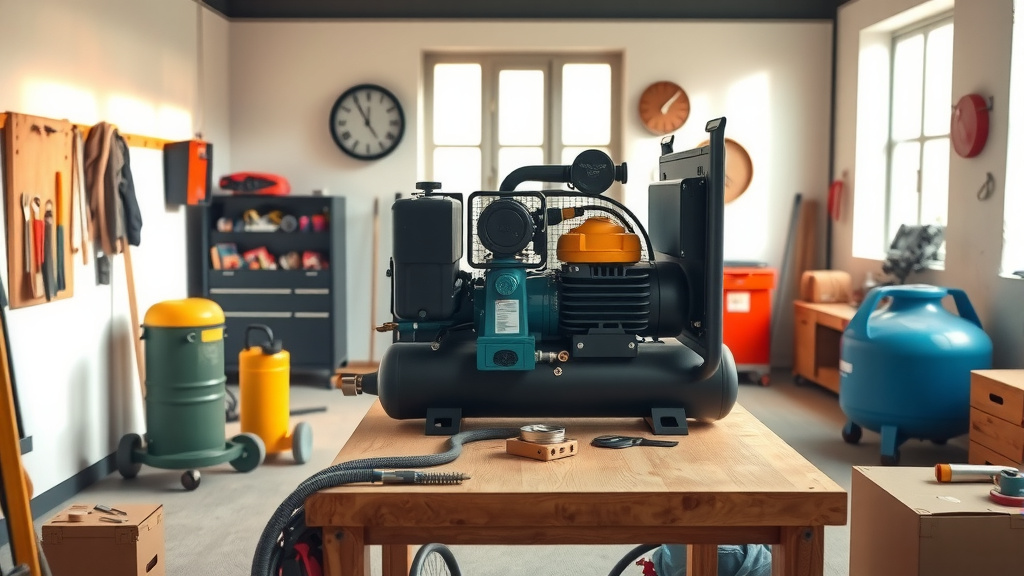
An air compressor is typically located based on its type and intended use, ranging from a garage corner for portable units to dedicated, well-ventilated compressor rooms for industrial models. Its ideal placement often prioritizes accessibility, safety, and efficient operation, considering factors like noise and power requirements.
Essentially, finding the right spot for your air compressor means thinking about its size, how often you use it, and its surroundings, ensuring it operates safely and effectively without causing issues.
- Portable compressors are found in garages or workshops for quick tasks.
- Stationary units are often in basements or utility rooms to reduce noise.
- Industrial compressors require dedicated, well-ventilated spaces for safety and performance.
- Factors like noise, power access, and ventilation guide placement.
- Proper location ensures efficiency, longevity, and safety for your compressor.
Where Is Air Compressor Located?
An air compressor is primarily located where its compressed air is needed most, often near the tools it powers or processes it serves. The best location balances operational efficiency with safety and noise considerations.
Think of it like choosing a home for a pet; you want a spot where it’s safe, comfortable, and can perform its best. The same goes for your compressor, whether it’s for a tiny hobby or a massive factory.
Understanding Compressor Types and Their Typical Homes
Before you place your compressor, you need to understand its type. Each compressor has unique needs and tolerances. Knowing these helps you pick its perfect spot.
Portable Air Compressors: The Wanderer
These smaller units are designed for easy movement. You will often find them in a home garage, a small workshop, or even on a job site. They are **convenient for various tasks** around the house or at work.
Because they are portable, their location often changes. You might wheel it out to inflate tires and then tuck it away in a closet. Their flexibility is their greatest strength.
Stationary Piston Compressors: The Steady Workhorse
Stationary piston compressors, also known as reciprocating compressors, usually stay in one place. These often power more demanding tools than portable units. We found that they commonly reside in a utility room, a corner of a garage, or even a basement.
Their size and weight make them less mobile. Placement often considers reducing noise for nearby living spaces. A dedicated corner in a workshop is a **classic spot for these units**.
Rotary Screw Compressors: The Industrial Powerhouse
When you talk about serious compressed air needs, you are talking about rotary screw compressors. These powerful machines are the **heart of many industrial operations**. You won’t find these in a residential garage.
Many experts say these units require a dedicated compressor room or a separate facility. This ensures optimal performance and safety. Think of them needing their **own special workspace**.
Key Factors Influencing Compressor Location
Regardless of type, several crucial factors influence where an air compressor should live. Ignoring these can lead to inefficiencies or even safety hazards. We want your compressor to thrive, right?
Noise Considerations: Keep it Down
Air compressors can be loud, especially larger models. Many people place them away from offices or common areas. A basement or a separate shed helps **dampen the sound significantly**.
Consider soundproofing solutions if placing a noisy unit near people. We found that good placement often **reduces workplace distractions**.
Ventilation Requirements: Let it Breathe
Compressors generate heat, especially during continuous operation. They need proper ventilation to prevent overheating. Imagine trying to run a marathon in a tiny, stuffy room; that’s how a compressor feels without airflow.
A well-ventilated space, perhaps with an exhaust fan, is essential. This ensures the unit pulls in cool, clean air. Proper ventilation **extends the compressor’s lifespan**.
Power Supply: Getting Juiced Up
Air compressors demand significant power. They often require a dedicated electrical circuit with the correct voltage and amperage. You cannot just plug a large compressor into any old outlet.
Make sure your chosen location has access to the **appropriate power supply**. An electrician might need to install a new circuit. Safety always comes first with electrical work.
Drainage and Condensate: Managing Moisture
Air compressors produce condensate, which is essentially water and oil residue. This needs to be managed properly to prevent corrosion and environmental issues. Many guidelines point to **proper drainage systems** as a good first step (OSHA).
Your location should allow for easy condensate collection and disposal. Some setups use automatic drains connected to a proper waste system. This is a **small but critical detail**.
Safety and Accessibility: Being Smart
Safety is non-negotiable. Place your compressor away from flammable materials or hazardous chemicals. Also, ensure easy access for routine maintenance and inspections.
You need space around the unit to work safely. Don’t cram it into a tiny corner where you can barely reach its components. A clear, accessible area is key for **trouble-free operation**.
Here’s a quick overview of typical locations based on compressor size:
| Compressor Type | Common Locations | Key Consideration |
|---|---|---|
| Portable (Small) | Garage, Workshop Corner, Job Site | Mobility, Power Outlet Access |
| Stationary (Medium) | Dedicated Garage Area, Utility Room, Basement | Noise Reduction, Ventilation, Dedicated Circuit |
| Industrial (Large) | Dedicated Compressor Room, Separate Building | Ventilation, Temperature Control, Soundproofing, Maintenance Access |
Pre-Installation Checklist for Your Compressor’s Home
Before you settle on a permanent spot, let’s run through a quick checklist. This helps ensure you’ve thought of everything. It’s like checking off items for a new apartment.
- Is there **adequate ventilation** for heat dissipation?
- Is the power supply **correct and dedicated**?
- Is the area **clean and dust-free** for air intake?
- Is there enough space for **safe maintenance access**?
- Is the location **away from flammable materials**?
- Is the **floor level and stable** enough to support the weight?
Avoiding Common Location Mistakes
We often see people make similar errors when placing compressors. Don’t worry, these are easy to avoid with a little foresight. Learning from others’ missteps is **always a good strategy**.
Too Much Dust or Debris
Placing a compressor in a dusty environment can quickly clog its filters. Dirty air intake means your compressor works harder and can wear out faster. A clean, dust-free area is **best for longevity**.
Direct Sunlight or Extreme Temperatures
Excessive heat, from direct sunlight or hot surroundings, makes a compressor run hotter and less efficiently. Similarly, extreme cold can affect performance and lubrication. An area with **stable, moderate temperatures** is ideal.
Unstable or Uneven Surfaces
A compressor, especially a larger one, needs a firm, level surface. Vibrations from an uneven floor can cause wear and tear on components. Research often connects stable placement with **reduced mechanical stress**.
Conclusion
Finding the perfect home for your air compressor is more than just picking a spot; it’s about optimizing its performance, ensuring safety, and extending its life. Whether you have a small portable unit or a massive industrial system, the principles remain the same.
By carefully considering factors like noise, ventilation, power, and accessibility, you can ensure your compressor runs efficiently and reliably for years to come. Your thoughtful planning upfront will pay off with **consistent, trouble-free operation**.
Can I put my air compressor outside?
You can place some air compressors outside, but it is not always ideal. They need protection from rain, snow, direct sunlight, and extreme temperatures. Outdoor units often require special enclosures or weatherproofing to prevent damage and maintain efficiency. Many experts suggest indoor placement for better control over environmental factors.
How far should an air compressor be from a wall?
An air compressor should typically be placed at least 12 to 18 inches away from a wall. This distance allows for adequate airflow around the unit, which is crucial for cooling and preventing overheating. It also provides space for maintenance and access to controls, ensuring you can operate it safely and efficiently.
Does an air compressor need fresh air?
Yes, an air compressor absolutely needs fresh, clean air to operate efficiently. It draws in ambient air, compresses it, and then delivers it. If the intake air is dusty, hot, or contaminated, the compressor will work harder, generate more heat, and potentially shorten its lifespan. A clean, well-ventilated space is vital.
What size circuit breaker do I need for my air compressor?
The size of the circuit breaker you need depends entirely on your air compressor’s motor size and voltage requirements. You should always consult your compressor’s owner’s manual for the exact specifications. Many residential compressors might need a 15-amp or 20-amp 120V circuit, while larger commercial units often require higher amperage 240V circuits. Always have a qualified electrician confirm the correct size.
Can I put my air compressor in a closet?
Placing an air compressor in a closet is generally not recommended, especially for larger units. Closets typically lack adequate ventilation, leading to rapid heat buildup and potential overheating. The confined space also amplifies noise and makes maintenance difficult. While a very small, portable compressor might briefly fit, it’s best to find a more open, well-ventilated area for optimal performance and safety.
