
Can You Use An Air Compressor To Fill Scuba Tanks?
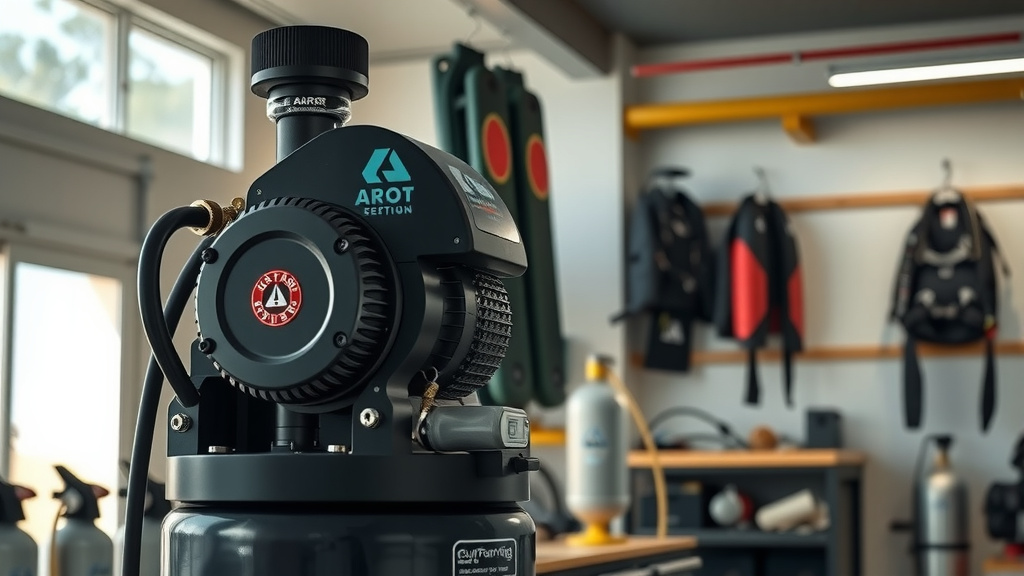
No, you cannot safely use a standard air compressor to fill scuba tanks. These compressors are not designed to produce the high-pressure, purified air required for breathing underwater.
Filling scuba tanks demands specialized high-pressure compressors that filter out contaminants and moisture, which a regular shop compressor cannot do. This ensures diver safety and prevents serious health risks.
- TL;DR: No, you should never use a regular air compressor for scuba tanks.
- They simply cannot provide the super clean, high-pressure air needed for safe diving.
- Specialized compressors are built to filter out harmful particles, oils, and moisture.
- Improper filling can cause severe health issues or even catastrophic tank damage.
- Always rely on certified, professional fill stations for your scuba tanks.
Can You Use An Air Compressor To Fill Scuba Tanks?
In short, no, you absolutely should not use a standard air compressor to fill your scuba tanks. It’s a critical safety issue.
Why a Regular Compressor Isn’t Safe for Scuba
It might seem logical to use any air compressor, right? After all, both provide air. But the differences are profound, almost like comparing a garden hose to a surgical tool. The stakes are much higher when your very breath depends on it.
It’s All About Pressure
Think about the typical air tools in your garage. They usually operate around 90-120 PSI (pounds per square inch). A scuba tank, however, needs to be filled to an astonishing 2,000 to 3,000 PSI, sometimes even higher. A regular compressor simply isn’t built for that kind of intense pressure.
Trying to force that much air into a tank with an inadequate compressor is a recipe for disaster. You risk overheating the compressor, damaging your tank, or worse, creating an explosive situation. It’s truly not worth the gamble.
The Purity Problem
The air we breathe on land is fine for us, but it’s full of tiny particles and moisture. Standard compressors, especially those lubricated with oil, can introduce even more contaminants. This includes oil vapor, carbon monoxide, and various hydrocarbons.
Underwater, breathing contaminated air can lead to serious health problems. These range from nausea and dizziness to permanent neurological damage or even death. Many medical experts emphasize the strict need for clean, breathable air (NIH).
Moisture is a Major Hazard
Standard compressors often don’t have adequate moisture removal. When you compress air, moisture condenses. This water vapor can become a problem inside your scuba tank.
Excessive moisture can corrode the inside of your tank over time. It can also freeze in your regulator in colder water, leading to a dangerous free-flow or even a complete loss of air. It’s a silent, but very real, danger.
Understanding Scuba Air Requirements
To really grasp why specialized equipment is vital, let’s consider what scuba air actually needs to be.
High-Pressure Demands
Scuba tanks need to hold a tremendous amount of air in a compact space. This requires extreme pressure. Specialized compressors are engineered with multi-stage compression, gradually increasing the pressure to safe levels.
This careful, step-by-step compression ensures the air molecules are packed tightly without generating excessive heat that could degrade air quality or tank material. It’s a precise process, not a brute-force one.
Breathable Air Quality Standards
Scuba air must meet incredibly strict quality standards. These standards ensure the air is free from harmful levels of carbon monoxide, carbon dioxide, oil, and particulates. Divers rely on this purity completely.
For example, some guidelines require carbon monoxide levels to be no more than 10 parts per million (PPM) (PADI). This level is far stricter than what you would find in ambient air or air from a typical shop compressor.
Specialized Scuba Compressors: What Makes Them Different?
So, what exactly sets these specialized units apart? It’s a combination of robust engineering and advanced technology.
Multi-Stage Compression
Unlike a single-stage shop compressor, scuba compressors typically use two, three, or even four stages of compression. Each stage increases the pressure incrementally, allowing for efficient and safe pressurization to thousands of PSI.
Between each stage, the air is cooled, which helps to remove moisture and keep the operating temperatures down. This multi-stage approach is crucial for achieving high pressure safely.
Advanced Filtration Systems
This is where specialized compressors truly shine. They incorporate multi-stage filtration systems designed to remove everything you don’t want to breathe underwater.
Filters typically include activated carbon to absorb odors and hydrocarbons, molecular sieves to remove moisture, and desiccant materials to dry the air thoroughly. We found that these systems are regularly maintained and checked by professionals.
Cooling Mechanisms
Compressing air generates a lot of heat. Scuba compressors are equipped with robust cooling systems, often using large cooling fans or water-cooling jackets. This ensures the air stays cool throughout the compression process.
Cooler air helps prevent filter degradation and reduces moisture content. It’s a vital part of maintaining air quality and compressor longevity.
The Real Dangers of Improper Scuba Tank Fills
Let’s not sugarcoat it: cutting corners here can have dire consequences for you and those around you.
Health Risks You Can’t Ignore
Breathing contaminated air can lead to immediate and long-term health problems. Carbon monoxide poisoning, for instance, can occur quickly, causing confusion, unconsciousness, and even death underwater. Oil vapors can irritate your lungs and cause chemical pneumonitis.
Even small amounts of impurities can impair judgment, leading to dangerous situations during a dive. Many experts stress that even a mild headache from contaminated air is a warning sign you should take seriously (Divers Alert Network).
Tank Integrity and Explosions
Overfilling a tank or filling it too quickly can stress the tank material. A non-specialized compressor might not have the precise controls needed. Worse, using a compressor that introduces contaminants like oil or rust particles can weaken the tank internally.
In extreme cases, an improperly filled or maintained scuba tank can rupture or explode. This isn’t just a hypothetical risk; it’s a very real danger with devastating potential, as research on tank safety shows (Department of Transportation guidelines).
Where to Safely Fill Your Scuba Tank
Your safest and best option is always a certified fill station. Don’t compromise on your safety or the safety of others.
Certified Dive Shops and Stations
These facilities have the proper equipment, trained staff, and follow strict safety protocols. They regularly test their air quality and maintain their compressors according to industry standards.
You can have peace of mind knowing the air in your tank is clean, dry, and at the correct pressure. Think of it as getting fuel for your car from a reputable gas station, rather than some shady backyard operation.
Portable Scuba Compressors: A Costly Option
Yes, portable scuba compressors exist for those who are remote or frequently dive in specific locations. However, these are specialized, high-pressure units, not glorified shop compressors.
They come with multi-stage compression and filtration. They are also quite expensive and require regular maintenance and filter changes. For most recreational divers, this isn’t a practical or economical solution.
A Quick Checklist for Safe Scuba Air
Before your next dive, always make sure you consider these points:
- Check your tank’s visual inspection date: Is it current (usually annual)?
- Confirm your tank’s hydrostatic test date: Is it within its typical 5-year window?
- Use only certified fill stations: Never use unapproved sources.
- Inspect the fill station: Does it look clean and well-maintained?
- Ask about air quality testing: Reputable shops can often show their recent air test results.
- Listen to your gut: If something feels off about a fill, don’t use the air.
Here’s a quick comparison to highlight the key differences:
.mobile-table table {
width: 100%;
border-collapse: collapse;
}
.mobile-table th, .mobile-table td {
border: 1px solid #ddd;
padding: 8px;
text-align: left;
}
.mobile-table th {
background-color: #f2f2f2;
}
@media only screen and (max-width: 600px) {
.mobile-table table, .mobile-table thead, .mobile-table tbody, .mobile-table th, .mobile-table td, .mobile-table tr {
display: block;
}
.mobile-table thead tr {
position: absolute;
top: -9999px;
left: -9999px;
}
.mobile-table tr { border: 1px solid #ccc; margin-bottom: 5px; }
.mobile-table td {
border: none;
border-bottom: 1px solid #eee;
position: relative;
padding-left: 50%;
text-align: right;
}
.mobile-table td:before {
position: absolute;
top: 6px;
left: 6px;
width: 45%;
padding-right: 10px;
white-space: nowrap;
content: attr(data-label);
font-weight: bold;
text-align: left;
}
}
| Feature | Standard Shop Air Compressor | Specialized Scuba Compressor |
|---|---|---|
| Maximum Pressure | ~120-175 PSI | ~2,000-4,500 PSI |
| Air Purity | Basic (oil, moisture, particles present) | Highly filtered (no oil, CO, moisture, particulates) |
| Moisture Removal | Minimal or none | Multi-stage desiccant filters for dryness |
| Cooling System | Basic air cooling | Advanced inter-stage cooling (air/water) |
| Safety for Scuba | Extremely dangerous | Designed for safe, breathable air |
Conclusion
While the thought of saving a few bucks or having DIY convenience might be tempting, using a standard air compressor for your scuba tank is simply not an option. The risks to your health and safety are far too great to even consider it. Scuba diving requires air of a specific purity and pressure that only specialized equipment can provide.
Always prioritize your well-being. Trust your scuba tank fills to certified professionals who have the right tools and expertise. Your life, and the enjoyment of your dives, depend on it. Play it safe, every single time.
Can a standard air compressor damage my scuba tank?
Yes, absolutely. A standard air compressor lacks the proper pressure regulation and filtration. It could over-pressurize the tank, causing structural stress, or introduce moisture and contaminants that corrode the tank’s interior. This weakens the tank and significantly increases the risk of a dangerous rupture.
What kind of air impurities are dangerous for divers?
Divers face danger from impurities like carbon monoxide (CO), which can cause poisoning and unconsciousness. Oil vapors and hydrocarbons from compressor lubricants can lead to respiratory irritation and chemical pneumonitis. Excess carbon dioxide (CO2) can also cause headaches and impair judgment, while moisture can corrode tanks and freeze regulators.
How often should I have my scuba tank professionally inspected?
Scuba tanks require two main inspections. A visual inspection (VIP) is needed annually to check for internal and external damage. A hydrostatic test (hydro) is typically required every five years. This test pressurizes the tank to its rated capacity to ensure structural integrity.
Is it legal to fill a scuba tank with an uncertified compressor?
While there isn’t always a specific law forbidding it for personal use, using an uncertified compressor is highly discouraged by all diving organizations and regulatory bodies. If an incident occurred due to an improper fill, you could face severe legal repercussions and certainly invalidate any insurance you might have.
What is the typical cost to fill a scuba tank at a dive shop?
The cost to fill a scuba tank can vary based on location and the dive shop, but it generally ranges from $5 to $10 per fill for a standard aluminum 80 cubic foot tank. Some dive shops also offer discounted packages or annual memberships for frequent fills.
