
How To Use VacLife Air Compressor?
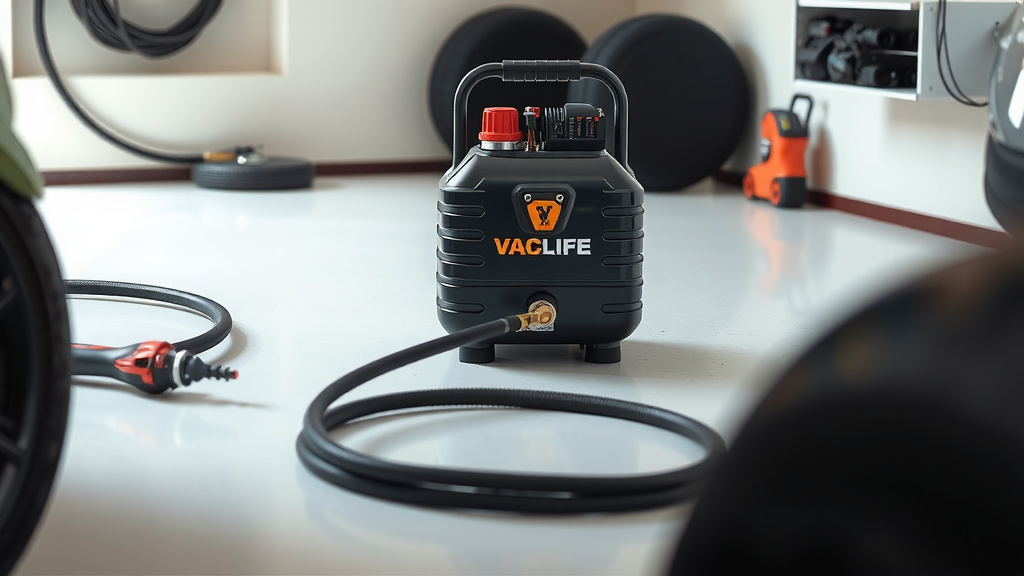
To use your VacLife air compressor, connect it to your vehicle’s 12V DC outlet, attach the air hose to the item you want to inflate, set your target pressure, and then power it on. It’s designed for easy, portable inflation.
This compact device is great for tires and small inflatables, providing a straightforward way to keep your pressures correct and your adventures going.
- Keep your tires properly inflated with a VacLife air compressor.
- Connect it easily to your car’s power socket for immediate use.
- Simply set your desired pressure, attach the hose, and switch it on.
- Always check your owner’s manual for specific model instructions.
You’ve got a VacLife air compressor, a handy gadget that can save your day on the road or at home. But how do you get the most out of it? Don’t worry, it’s simpler than you might think. We’re here to walk you through every step, making sure you feel confident and ready to tackle any low-pressure situation. Think of it as having a little pit crew in your trunk!
How To Use VacLife Air Compressor?
Using your VacLife air compressor involves a few quick steps: plug it in, connect the hose, set the pressure, and start inflating. It’s built for convenience and portability, making tire maintenance easy for anyone.
Getting Started: What You Need
Before you even unbox your compressor, gather a few things. You’ll want your VacLife air compressor itself, of course. Also, keep your car keys handy, as you’ll need access to the 12V outlet. A tire pressure gauge is useful for double-checking, though many VacLife models have built-in digital gauges.
Pre-Inflation Checklist: Safety First!
A quick check before you begin can prevent headaches later. Make sure you are in a safe, level spot, away from traffic. Your vehicle should be parked with the engine off, unless the compressor specifically requires the engine to run for power (check your manual!).
- Park in a safe, flat area.
- Ensure your vehicle’s engine is off (or as specified).
- Have your VacLife compressor ready.
- Know the correct tire pressure for your item (often on a door jamb sticker for cars).
- Check the compressor hose and nozzle for any damage.
Finding Your Target Pressure
Knowing the correct tire pressure is vital for safety and fuel efficiency. For car tires, look for a sticker inside your driver’s side door jamb. It will list the recommended PSI (pounds per square inch). For bike tires or sports equipment, the pressure is usually printed right on the item itself. Don’t guess; accuracy matters here.
Connecting to Power: The 12V Outlet
Your VacLife air compressor is designed for convenience, usually plugging into your car’s 12V DC outlet, often called a cigarette lighter socket. Simply insert the plug firmly into this port. You should hear a slight click, ensuring a secure electrical connection. If it doesn’t power on, check the fuse in your car or the compressor’s plug.
Attaching the Air Hose to the Valve
Next, locate the valve stem on the tire or inflatable item. Unscrew the small cap from the valve stem. Then, firmly press or screw the compressor’s nozzle onto the valve stem. You want a tight seal to prevent air leaks during inflation. If you hear hissing, adjust the connection until it stops.
Setting Your Desired Pressure
Many VacLife models feature a digital display for setting your target pressure. Use the plus and minus buttons to adjust the PSI to your desired level. This feature is incredibly handy because the compressor will automatically shut off once it reaches that pressure. No more over-inflating!
Starting the Inflation Process
Once everything is connected and your pressure is set, hit the power button. The compressor will start humming and air will begin flowing. It’s a bit like watching a balloon fill up, but for your tires. Stay nearby to monitor the process, even with the auto-shutoff feature. We found that monitoring prevents surprises.
What to Do If It’s Slow
Sometimes, inflation can feel a bit slow, especially for larger tires. This is normal for compact, portable compressors. Just be patient. If it seems unusually slow, double-check your connections for leaks. A loose connection can cause significant air loss during operation, wasting your time and energy.
When It’s Done: Disconnecting Safely
When the compressor stops automatically or you manually turn it off, it’s time to disconnect. Carefully remove the nozzle from the valve stem; you might hear a small puff of air, which is normal. Quickly replace the valve cap to prevent dirt and moisture from entering the valve. Then, unplug the compressor from your car’s 12V outlet.
Checking the Pressure (A Second Opinion)
Even with an auto-shutoff, it’s a good practice to use an independent tire pressure gauge to double-check the final PSI. This ensures accuracy and gives you extra peace of mind. Many experts say that cross-referencing is key for precision (NHTSA).
| Issue | Possible Cause | Simple Fix |
|---|---|---|
| Compressor not starting | Loose power connection, blown fuse | Ensure plug is firm, check vehicle’s 12V fuse |
| Air leaking from nozzle | Improper connection to valve stem | Re-attach nozzle firmly, twist to seal |
| Slow inflation | Small compressor, minor leaks | Be patient, check connections, ensure engine is off |
| Inaccurate pressure reading | Faulty gauge, user error | Use an external gauge to confirm |
General Maintenance Tips for Your VacLife
Keeping your VacLife air compressor in good shape extends its life. After each use, coil the hose neatly and store it in its bag or compartment. Clean any dust or dirt from the unit. Avoid exposing it to extreme temperatures, which can damage internal components, according to our research on portable electronics.
Proper Storage for Longevity
Store your compressor in a dry, cool place, away from direct sunlight. The trunk of your car is fine, but if you have a garage or shed, that’s even better. Proper storage protects the electronics and hoses from wear and tear. A little care goes a long way, keeping your compressor ready for its next job.
What Else Can Your VacLife Do?
Beyond car tires, your VacLife air compressor is great for various inflatables. Think bike tires, sports balls, and even small air mattresses. It often comes with different nozzles to fit various valve types. Just remember to always check the recommended pressure for each item. Don’t try to inflate very large items like full-sized inflatable boats, as compact compressors are not designed for that volume.
When to Seek Professional Help
While your VacLife compressor is a handy tool, it’s not a replacement for a professional mechanic. If your tire consistently loses air, even after inflation, you might have a puncture or a faulty valve stem. In such cases, visit a tire shop to address the underlying issue. Your compressor is a temporary fix, not a repair kit.
Conclusion
Using your VacLife air compressor is a straightforward process that offers great peace of mind. By following these simple steps—connecting it to power, attaching the hose, setting the pressure, and inflating—you can keep your tires and other inflatables in top condition. Remember, a little preparation and care ensure your compressor is always ready when you need it most. It’s a small tool, but it offers a big boost in convenience and safety.
How do I know my car’s correct tire pressure?
You can find your car’s correct tire pressure (PSI) on a sticker located inside the driver’s side door jamb. If it’s not there, check your vehicle’s owner’s manual. Never rely on the pressure listed on the tire’s sidewall, as that’s usually the maximum pressure, not the recommended operating pressure.
Can I use my VacLife air compressor with the car engine running?
For most portable 12V air compressors, it’s generally recommended to use them with the car engine off to avoid draining your car’s battery. However, some larger compressors might require the engine to be running to provide enough power. Always check your specific VacLife model’s manual for the safest recommendation.
What should I do if the compressor won’t turn on?
First, ensure the 12V plug is fully and securely inserted into your car’s outlet. If it still doesn’t turn on, check your car’s fuse box for a blown fuse related to the 12V outlet. Also, inspect the compressor’s plug for any visible damage. Sometimes, the compressor itself may have an internal fuse that needs checking, as detailed in your manual.
Is it normal for the compressor to get hot during use?
Yes, it’s common for portable air compressors to get warm, or even hot, during prolonged use. This is due to the motor working hard to compress air. Many VacLife models have built-in cooling features, but it’s always wise to give the unit a break if it feels excessively hot. Never touch hot parts directly and let it cool before storing.
How accurate are the built-in digital gauges on VacLife compressors?
Built-in digital gauges on VacLife compressors are generally reliable for quick and convenient inflation. However, for maximum accuracy, especially for long trips or critical applications, many experts suggest cross-referencing the reading with a separate, high-quality analog or digital tire pressure gauge. This practice helps ensure your tires are at their absolute optimal pressure.
