
How To Combine Two Air Compressors Together?
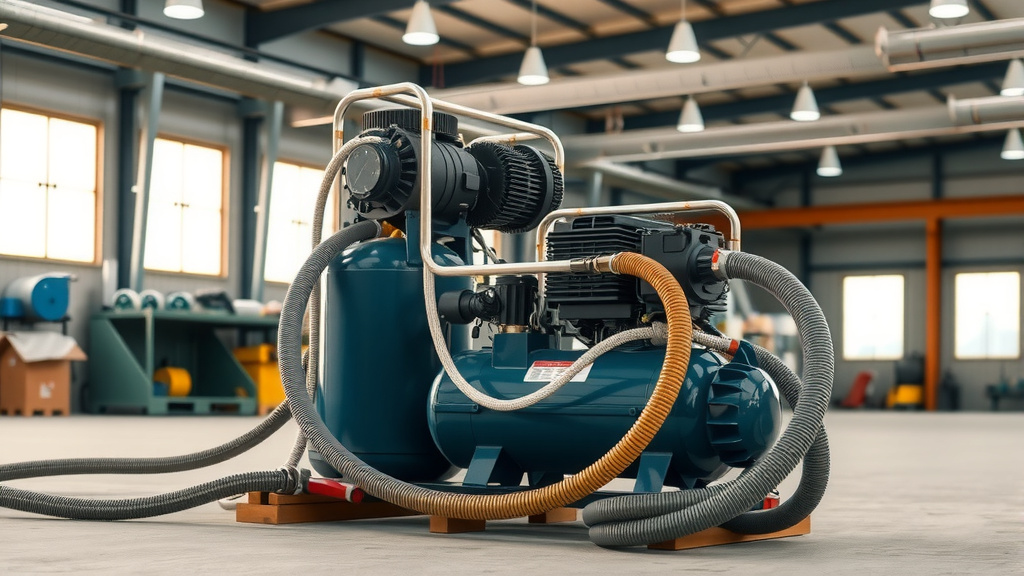
You can combine two air compressors together to significantly increase your system’s air capacity and maintain consistent pressure for demanding tasks.
The core method involves connecting their air tanks with appropriate plumbing and ensuring proper electrical synchronization for optimal performance and safety.
Before you dive deep, here’s a quick overview of what you’ll learn about combining air compressors:
- Discover how connecting compressors boosts your air supply.
- Understand the critical safety measures you must take.
- Learn about the essential parts needed for a successful setup.
- Get a simple, step-by-step guide to connect your units.
- Find out what common issues to look out for.
How To Combine Two Air Compressors Together?
Connecting two air compressors typically involves linking their air tanks and coordinating their pressure switches to work in harmony. This setup greatly boosts your available air volume and allows for a more consistent output, which is ideal for heavier demands.
Why Combine Air Compressors?
Perhaps you’ve found your single compressor struggling to keep up. It might be cycling on and off too frequently. Combining two units can be a smart move, giving you the extra power you need without buying a brand-new, larger compressor.
More Air Volume
Imagine needing to sandblast a large surface or use a high-CFM air tool for an extended period. A single compressor might run out of air quickly. By combining tanks, you create a larger reservoir of air, keeping your tools running smoothly for longer.
Increased Pressure Capability
While combining doesn’t directly increase the maximum pressure (PSI) each compressor can achieve, it helps maintain that pressure. When demand is high, two compressors working in tandem can prevent pressure drops, ensuring your tools perform at their best (Compressed Air and Gas Institute – CAGI).
Backup and Redundancy
Having two compressors means if one unit experiences a problem, you still have the other to rely on. This provides a valuable layer of backup, which is particularly useful in professional settings where downtime costs money.
Essential Components for Combining Compressors
To successfully link your air compressors, you will need a few key pieces of equipment. Think of these as the building blocks for a stable and efficient system.
- Ball Valve: This lets you isolate one compressor from the system, which is handy for maintenance or if you only need one running.
- Check Valve: Crucial for safety, a check valve prevents air from flowing back into the tank of a compressor that is off or has lower pressure.
- High-Pressure Hose and Fittings: You’ll need durable, pressure-rated hoses and fittings (like tees or nipples) to make secure connections between the tanks. Ensure they are rated for your system’s maximum pressure.
- Pressure Switch (Optional, but recommended): A single master pressure switch can control both compressors, turning them on and off in sequence or simultaneously. This helps manage the load effectively.
Safety First: What You MUST Know
Working with compressed air can be dangerous if not done correctly. Your safety is paramount. Always prioritize proper procedures to avoid accidents and equipment damage (OSHA guidelines strongly advise this).
Bleed Off System Pressure
Before you disconnect or connect any parts, always ensure both air compressors are completely turned off and all pressure is bled from their tanks. This step is non-negotiable for preventing sudden bursts of air.
Proper Ventilation is Key
Compressors generate heat, and some can produce fumes, especially if they are oil-lubricated. Ensure your workspace has adequate ventilation to disperse heat and maintain air quality (NIOSH research highlights this).
Electrical Considerations
Connecting two compressors involves managing their electrical loads. Make sure your circuits can handle the combined power draw. Consider using a dedicated circuit or consulting an electrician for the best setup, particularly for larger, industrial-grade units.
Step-by-Step Guide: Connecting Your Compressors
Ready to get started? We’ve broken down the process into clear, manageable steps. Remember to take your time and double-check each connection.
Step 1: Drain Tanks Completely
Switch off both compressors, unplug them, and open their drain valves. Let all the air and any accumulated moisture escape. This makes the tanks safe to work on and removes harmful condensation.
Step 2: Install Necessary Fittings
Locate the drain valve port or another suitable unused port on each compressor tank. Install a tee fitting into one of these ports. This “tee” will be your junction point for connecting the two tanks. Use thread sealant for a leak-free connection.
Step 3: Connect the Air Lines
Run a high-pressure air hose between the two tee fittings you just installed. Incorporate your check valve on each compressor’s line to prevent backflow and a ball valve on the main connecting line. Ensure all connections are tight and secure. This creates a shared air reservoir.
Step 4: Electrical Setup and Synchronization
This is often the trickiest part. Ideally, you want one compressor to kick on first, and if the demand is still high, the second one follows. This can be achieved with a master pressure switch controlling contactors for both units or by adjusting individual pressure switches to different set points. Many experts suggest a slight delay in activation for the second unit (CAGI recommends this for efficiency).
Step 5: Test the System Safely
Close all drain valves. Turn on one compressor and let it build pressure. Check for leaks using soapy water on all new connections. Then, turn on the second compressor and observe how they interact. Listen for unusual noises and watch the pressure gauges. This helps ensure proper operation and safety.
Choosing the Right Compressors to Pair
Not all compressors are a match made in heaven. For the best results, consider how your units compare before attempting to combine them. Matching similar characteristics often leads to a more efficient and balanced system.
Matching CFM and PSI
While you can combine different sizes, pairing compressors with similar CFM (Cubic Feet per Minute) ratings and maximum PSI will give you the most consistent performance. When they are similar, they tend to share the workload more evenly, preventing one from being overworked. Research found that mismatched units can lead to uneven wear and tear.
Tank Size Matters
Larger tanks store more air, which gives your compressors more rest time between cycles. Combining tanks of similar sizes is often simpler, but you can certainly link a small tank to a larger one. Just remember that the total combined volume is what counts for your available air supply.
Common Pitfalls to Avoid
Combining air compressors isn’t without its challenges. Being aware of potential problems can save you a lot of frustration and keep your system running smoothly.
- Ignoring Leaks: Even small air leaks can dramatically reduce efficiency and make your compressors work harder. Always check connections regularly.
- Incorrect Electrical Wiring: Poor wiring can lead to tripped breakers, damaged motors, or even fires. Always adhere to electrical codes and seek professional help if unsure.
- No Check Valves: Without check valves, air can flow back into an inactive compressor, potentially damaging it or creating unsafe pressure imbalances.
- Overlooking Maintenance: Regular draining of tanks and checking air filters is even more important with a combined system to ensure longevity and clean air.
- Mismatched Pressure Settings: If one compressor’s pressure switch is set too low, it will run constantly while the other does nothing, leading to inefficiency.
Here’s a quick look at why combining can be better for some tasks:
| Feature | Single Large Compressor | Two Combined Compressors |
|---|---|---|
| Initial Cost | Potentially High | May be lower if you already own one |
| Air Volume (Storage) | Fixed by tank size | Combined tank capacity for more air |
| Redundancy | None | One can run if the other fails |
| Flexibility | Less adaptable | Can run one or both as needed |
| Maintenance | Regular for one unit | Regular for two units, potentially more complex |
Checklist for Combining Compressors
Before you power up, run through this quick checklist to ensure you’ve covered all your bases:
- Are all electrical connections secure and correct?
- Have you installed check valves to prevent backflow?
- Are all air lines and fittings properly sealed and leak-free?
- Have you set the pressure switches for proper sequencing?
- Is the workspace well-ventilated and free of obstructions?
- Have you read both compressor manuals thoroughly?
Conclusion
Combining two air compressors together is a practical and effective way to boost your workshop’s air supply, enhance tool performance, and add a layer of redundancy. While it requires careful planning, proper component selection, and a strong focus on safety, the payoff can be significant. By following the steps and advice we’ve shared, you can create a more powerful and reliable compressed air system that truly meets your demands. Remember, when in doubt, seeking advice from an air compressor professional can offer invaluable peace of mind.
What are the benefits of linking two smaller air compressors instead of buying one large one?
Linking two smaller compressors provides increased air volume and better pressure maintenance for demanding tasks. You also gain redundancy, meaning if one unit fails, you still have the other to rely on, preventing complete downtime. This setup can sometimes be more cost-effective if you already own one of the smaller units.
Do I need special electrical wiring to combine air compressors?
Yes, you might. Combining compressors significantly increases the electrical load. It’s often wise to have them on dedicated circuits or to consult a qualified electrician to ensure your existing wiring can safely handle the combined amperage draw. Proper electrical setup prevents circuit overloads and potential hazards.
Can I combine an oil-lubricated compressor with an oil-free one?
While technically possible to connect their tanks, it’s generally not recommended. Oil-lubricated compressors can introduce oil into the air stream, which could contaminate the output from an oil-free unit. This can be problematic for applications requiring clean, oil-free air. It is best to match compressor types for optimal performance and air quality.
What’s the most critical safety device when combining air compressor tanks?
The most critical safety device is a check valve. It prevents compressed air from flowing back into a compressor that is turned off or has lower pressure. Without it, you risk damaging the compressor or creating an unsafe pressure imbalance within the system, potentially leading to ruptures or other failures.
How do I prevent one compressor from doing all the work when they are combined?
To prevent one compressor from doing all the work, you need to synchronize their pressure switches. You can achieve this by using a master pressure switch to control both units, or by setting the individual pressure switches with slightly staggered “on” and “off” points. This ensures both compressors engage and disengage appropriately to share the workload.
