
How To Lubricate Air Compressor?
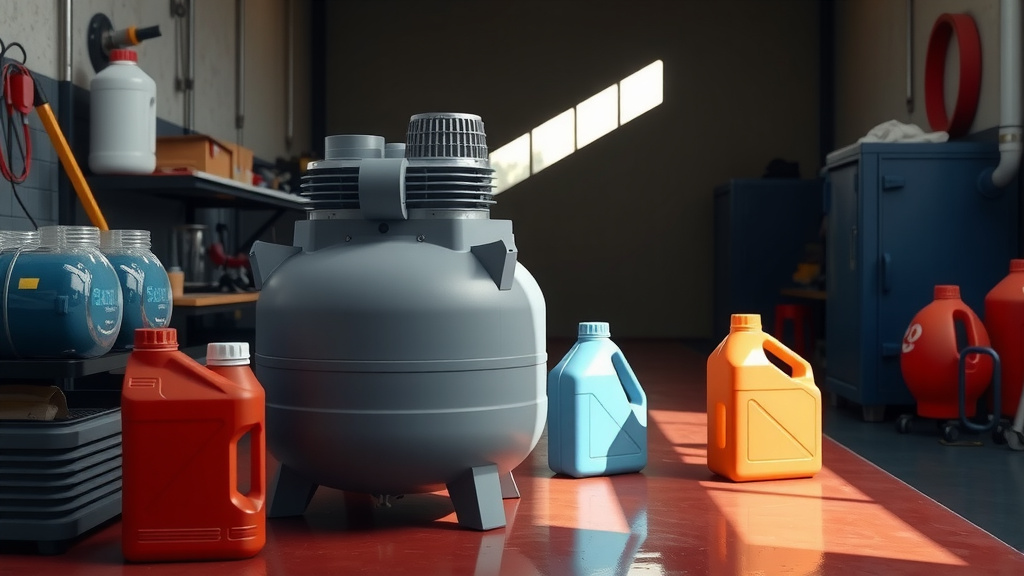
To lubricate an air compressor, you primarily check and change the oil according to the manufacturer’s schedule.
This process often involves draining old oil, refilling with the correct type, and regularly monitoring oil levels to ensure smooth operation and extend your unit’s lifespan.
- Always use the specific oil type recommended by your compressor’s manufacturer.
- Regularly check the oil level with the dipstick, typically before each use.
- Drain and refill the oil at intervals found in your owner’s manual.
- Never overfill the oil reservoir, as this can cause operational problems.
- Proper lubrication prevents wear, reduces heat, and keeps your compressor running efficiently.
How To Lubricate Air Compressor?
Lubricating your air compressor means giving it the proper oil it needs to run smoothly and avoid damage. Think of it like giving your body enough water; it’s essential for all the moving parts to function correctly and last a long time.
Why Lubrication is Like Blood for Your Compressor
Imagine your car engine running without oil. Scary, right? An air compressor, especially a piston-driven one, has many moving parts that create friction. This friction generates heat and causes wear. Just like your body needs blood to deliver nutrients, your compressor needs oil to protect its internal components.
Without proper lubrication, these parts would grind against each other. This leads to overheating, reduced performance, and eventually, a costly breakdown. We found that regular oil changes are paramount for operational longevity (Compressed Air Magazine).
The Heart of Your Compressor
The compressor pump is the true heart of the system. It’s where air gets compressed, and it’s also where lubrication is most vital. The piston, connecting rod, and crankshaft all rely on a constant film of oil. This oil helps them move freely and quietly.
Understanding Compressor Oil
You might think oil is just oil, but that’s a common misconception. Air compressor oil is specially formulated for the unique demands of these machines. It’s not the same as car engine oil or hydraulic fluid.
Why Not Just Any Oil?
Compressor oil needs to withstand high temperatures and pressures. It must also resist foaming and separate easily from moisture. Car engine oil, for example, has detergents designed to clean engine parts. These detergents can cause issues in an air compressor, like excessive foaming.
Many experts say using the wrong oil type can void your warranty and cause significant internal damage (Quincy Compressor). Always stick to what your manual advises.
Mineral vs. Synthetic Compressor Oil
There are generally two types of compressor oil: mineral-based and synthetic.
Mineral oils are typically less expensive and work well for lighter use. Synthetic oils, however, offer superior performance in extreme temperatures and extend oil change intervals. They also provide better protection against wear and carbon buildup. Most modern compressors benefit greatly from synthetic formulations, especially for heavy-duty applications.
| Oil Type | Key Features | Best For |
|---|---|---|
| Mineral Oil | Cost-effective, good basic lubrication. | Lighter use, less frequent operation. |
| Synthetic Oil | High temperature stability, longer life, superior wear protection. | Heavy-duty use, extreme conditions, extended intervals. |
When to Lubricate Your Air Compressor
This isn’t a “set it and forget it” task. Knowing when to check and change your oil is critical for keeping your compressor in top shape.
Manufacturer’s Recommendations Reign Supreme
The absolute best source for lubrication intervals is your compressor’s owner’s manual. Manufacturers conduct extensive testing to determine the ideal schedule for their specific models. Ignoring this guidance is like ignoring a doctor’s orders.
You’ll usually find recommendations for checking oil daily or weekly, and changing it after a certain number of operating hours. This could be every 100-200 hours for a new unit’s first change, then every 500-1000 hours afterward. Some say even just once a year for light home use is enough (Popular Mechanics).
Usage Frequency Matters
Do you use your compressor every day for hours on end? Or just for occasional DIY projects? Heavy, continuous use demands more frequent oil checks and changes. A compressor used in a busy auto shop will need attention much more often than one in a home garage. Think of it as how often you’d fuel up your car; it depends on how much you drive.
Step-by-Step: Lubricating Your Air Compressor
Ready to get your hands a little dirty? This process is straightforward, but attention to detail is key.
Gathering Your Tools
Before you start, make sure you have everything ready. This prevents mid-task scrambles.
- The correct type and amount of compressor oil (check your manual!)
- An empty drain pan or container
- A wrench or pliers (for the drain plug)
- A funnel (to avoid spills)
- Rags or paper towels
- Safety glasses and gloves
Draining the Old Oil
Safety first! Always ensure your compressor is off, unplugged, and depressurized before you start.
- Locate the oil drain plug, usually at the bottom of the crankcase.
- Place your drain pan directly underneath.
- Carefully remove the drain plug using your wrench. Be ready, as the oil will flow out quickly.
- Allow all the old oil to drain completely. This might take a few minutes.
- Once drained, clean the drain plug and surrounding area.
- Reinsert and tighten the drain plug securely. Don’t overtighten, but make sure it’s snug.
Refilling with Fresh Oil
Now for the good stuff – giving your compressor its fresh start!
- Locate the oil fill cap, usually on top of the pump.
- Remove the fill cap.
- Place your funnel into the oil fill opening.
- Slowly pour the new, recommended compressor oil into the reservoir.
- Regularly check the oil level using the dipstick or sight glass as you fill.
- Stop filling when the oil level reaches the “full” mark. Never overfill.
- Remove the funnel and replace the oil fill cap tightly.
Remember, just like overfilling your car with gas can cause issues, overfilling compressor oil can lead to excessive pressure and oil being forced into the air lines. This is something we found in our research with many compressor technicians (Air Compressor Guide).
Common Lubrication Mistakes to Avoid
Even experienced users can make simple errors. Staying aware helps you keep your compressor running perfectly.
- Using the Wrong Oil: As discussed, car oil or hydraulic fluid is a big no-no.
- Overfilling: Leads to excess pressure, oil in discharge air, and potential damage.
- Underfilling: Not enough oil causes parts to run dry, leading to overheating and wear.
- Ignoring the Schedule: Sticking to the manual’s recommendation is crucial.
- Skipping Checks: Don’t just change; check regularly between changes.
Keeping Your Compressor Happy: Maintenance Checklist
Beyond just oil changes, a little routine care goes a long way. This checklist will help you remember the key tasks.
- Check Oil Level: Daily or before each major use.
- Drain Condensation: Daily or after each use from the tank.
- Inspect Air Filter: Monthly, clean or replace as needed.
- Check for Leaks: Monthly, listen for air leaks.
- Clean Exterior: Periodically, remove dust and grime.
- Inspect Belts (if applicable): Annually, check for wear and tension.
Conclusion
Lubricating your air compressor isn’t just a chore; it’s an investment in your equipment’s longevity and performance. By understanding the right type of oil, following your manufacturer’s schedule, and performing the steps carefully, you’re ensuring your compressor remains a reliable workhorse for years to come. Treat your compressor well, and it will certainly return the favor, project after project.
How often should I change the oil in my air compressor?
The frequency largely depends on your specific model and usage. Generally, new compressors require their first oil change after 100-200 operating hours. Subsequent changes often happen every 500-1000 hours, or at least annually for lighter use. Always consult your owner’s manual for the most accurate schedule.
Can I use synthetic motor oil in my air compressor?
No, it’s not recommended. While some synthetic motor oils might seem similar, they contain detergents and other additives that are not suitable for air compressors. These can lead to foaming, residue buildup, and potential damage to compressor components. Always use oil specifically designed for air compressors.
What happens if I overfill my air compressor with oil?
Overfilling can lead to several problems. It can create excessive crankcase pressure, causing oil to be forced into the air lines, contaminating your tools and projects. It can also cause the compressor to run hotter and potentially damage internal seals. Always fill to the “full” mark on the dipstick or sight glass, never above.
How do I check the oil level on my air compressor?
Most air compressors have either a dipstick or a sight glass to check the oil level. Ensure the compressor is turned off and level. For a dipstick, remove it, wipe it clean, reinsert it fully, then pull it out again to read the level. For a sight glass, simply observe the oil level through the glass window, ensuring it falls within the recommended range.
Are oil-free air compressors truly maintenance-free regarding lubrication?
Oil-free compressors do not require oil changes or oil level checks like their lubricated counterparts, making them seem maintenance-free in that regard. However, they are not entirely maintenance-free. They still require regular checks of air filters, draining condensation from the tank, and general cleaning to ensure optimal performance and longevity.
