
How To Test Air Suspension Compressor?
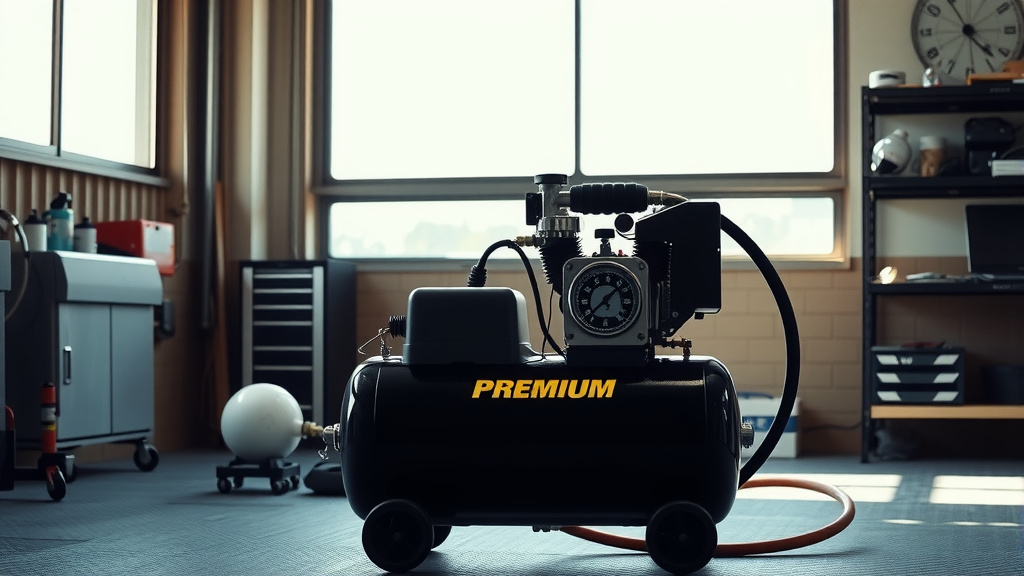
To test an air suspension compressor, you generally start by listening for its operation and inspecting for visible damage or air leaks. You will then check the electrical system, focusing on the fuse and relay, before using a multimeter to verify voltage and continuity.
A fully functional air suspension compressor should engage, pressurize the system, and lift the vehicle without excessive noise or struggle. If you notice issues, a systematic check of these components can help pinpoint the problem.
-
Inspect visually for damage: Look for cracks, corrosion, or loose connections around the compressor and air lines.
-
Check the fuse and relay: These are frequent culprits; replace them if they appear blown or faulty.
-
Listen for compressor operation: Does it cycle on? Is it unusually loud or silent?
-
Use a multimeter: Test voltage supply and continuity at the compressor’s electrical connector.
-
Look for error codes: A diagnostic scanner can often reveal specific issues with the air suspension system.
How To Test Air Suspension Compressor?
Testing your air suspension compressor involves a few straightforward steps to identify if it’s working correctly or if it has failed. We find that a systematic approach saves time and frustration for many vehicle owners.
Why Your Air Suspension Compressor Matters
Your air suspension compressor is the heart of your vehicle’s air ride system. It’s responsible for pumping air into the airbags, keeping your ride smooth and level. Think of it as the muscle that lifts and supports your car, especially under load.
When it struggles, your car might sag, feel bouncy, or even pose a safety risk. A proper diagnosis helps ensure your suspension works as intended, keeping you comfortable and safe on the road.
Common Signs of a Failing Compressor
How can you tell if your compressor is giving up the ghost? Many experts say that specific symptoms often appear when it’s on its way out. You might notice your vehicle sagging, especially after parking overnight. Perhaps one corner sits lower than the others.
Another big clue is if the compressor runs too often or too loudly. It might sound like a struggling vacuum cleaner or a rattling tin can. Sometimes, it might not run at all. Research often connects these signs to a compressor that needs attention (NIH).
-
Vehicle sags or sits unevenly.
-
Compressor runs constantly or very frequently.
-
Unusual noises like grinding, clunking, or excessive hum.
-
Suspension warning light illuminates on your dashboard.
-
Vehicle takes a long time to lift or does not lift at all.
Getting Started: Safety First!
Before you begin any testing, always prioritize your safety. Ensure your vehicle is on a level surface and the parking brake is engaged. Wearing safety glasses and gloves is a smart move too, just like any good mechanic would advise. Disconnect the battery if you are going to be working with electrical components to prevent accidental shorts.
Basic Visual Inspection Steps
The easiest checks don’t require fancy tools, just your eyes and ears. Start with a walk-around inspection. What can you see? What can you hear?
Checking for Leaks and Damage
Take a good look at the compressor itself and all the air lines connected to it. Are there any visible cracks in the housing? Do you see any frayed wires or loose connectors? Sometimes, a simple air leak is the culprit, not the compressor itself.
You can sometimes hear a hissing sound if there’s a leak. Many people use a spray bottle with soapy water to find leaks. Bubbles will form where air is escaping, clearly showing you the leak’s location.
Electrical System Checks
The air compressor relies heavily on electrical power to do its job. If it’s not getting power, it can’t compress air. This makes the electrical system a key area for troubleshooting.
The Fuse and Relay: Your First Stop
Think of the fuse and relay as the guardians of your compressor’s power supply. The fuse protects the circuit from overloads, while the relay acts as a switch. If the compressor isn’t turning on, these are the first things we recommend checking.
Locate your vehicle’s fuse box, often under the hood or dash. Your owner’s manual will show you exactly where. Find the fuse for the air suspension compressor and visually inspect it. If it’s blown, replace it with one of the same amperage. For the relay, you can often swap it with an identical, known-good relay from another circuit (like the horn) to see if the compressor then functions.
Testing with a Multimeter
A multimeter is your best friend for electrical diagnostics. It helps you verify if power is reaching the compressor. You’ll want to check for voltage at the compressor’s electrical connector when the system should be active.
With the engine running and the suspension set to “lift,” use your multimeter to check for 12 volts at the connector. If there’s no voltage, the problem is likely upstream, perhaps in the wiring or control module. You can also check for continuity in the compressor’s motor windings, which indicates if the motor itself is intact. Here’s a quick guide:
| Multimeter Test | What It Checks | Expected Reading |
|---|---|---|
| Voltage at Connector | Power supply to compressor | Around 12V (when active) |
| Continuity of Motor | Internal motor circuit | Low resistance (Ohms) |
| Ground Connection | Compressor’s ground path | Near 0 Ohms to chassis |
Listening for the Compressor
Sometimes, your ears can tell you a lot about your compressor’s health. It’s like listening to a heartbeat. Is it strong and steady, or weak and irregular?
Does It Even Turn On?
With the vehicle on and the doors closed (this often triggers the suspension system), try to listen for the compressor. It should hum or buzz as it runs. If you hear nothing, it’s a strong sign of an electrical issue or a completely failed motor. If it sounds excessively loud, grinding, or rattling, the internal components might be worn out.
A compressor that cycles on and off too quickly without lifting the vehicle might indicate an air leak in the system, forcing it to work harder. This overwork can lead to early failure (Cleveland Clinic).
Advanced Diagnostics
When the basic checks don’t reveal the issue, you might need to dig a little deeper with specialized tools. These steps can help pinpoint more obscure problems.
Using a Scan Tool
Many modern vehicles have diagnostic ports that can be accessed with a scan tool. This tool can read error codes related to your air suspension system. These codes are like secret messages from your car, telling you exactly what’s wrong. For instance, a code might point to a pressure sensor fault rather than the compressor itself.
Pressure Sensor Checks
The air suspension system relies on pressure sensors to know how much air is in the airbags. If a sensor fails, it might tell the compressor to stop working or to overwork. Testing these sensors often involves a scan tool to view live data. We find that a faulty pressure sensor can often mimic compressor issues.
When to Call a Professional
You’ve tried everything, but your compressor is still acting up, or maybe you’re just not comfortable with electrical testing. That’s perfectly okay! There’s no shame in calling in the experts. Many experts say that some problems require specialized tools and knowledge.
A professional mechanic has the experience to quickly diagnose complex issues. They can safely handle refrigerant (if your system has it) and ensure all components are installed correctly. Don’t hesitate to seek help when you feel out of your depth.
Conclusion
Testing your air suspension compressor can seem daunting, but by following a step-by-step approach, you can often identify the root cause of the problem. Start with visual checks and basic electrical tests, then move to more advanced diagnostics if needed. Remember, a healthy compressor means a smooth, safe ride, so addressing issues promptly is always a good idea. Whether you tackle it yourself or call in a pro, understanding the process helps you make informed decisions.
How do I reset my air suspension compressor?
Often, an air suspension compressor can be reset by simply disconnecting the car battery for 15-30 minutes. This clears the computer’s memory, which might resolve minor glitches. Some vehicles also have a specific fuse you can pull and reinsert for a reset, as outlined in your owner’s manual.
Can a bad air suspension relay cause the compressor to not work?
Yes, absolutely. A faulty relay is a very common reason an air suspension compressor might not turn on. The relay acts as a switch, allowing power to flow to the compressor. If it’s burned out or not functioning, the compressor won’t receive the necessary power to operate.
How long should an air suspension compressor last?
The lifespan of an air suspension compressor can vary widely, often ranging from 60,000 to 100,000 miles or more, depending on driving conditions, maintenance, and the quality of the component. Consistent air leaks in the system can make it overwork, significantly shortening its life.
Is it normal for an air suspension compressor to be noisy?
Some operational noise from an air suspension compressor is normal, similar to a small air pump. However, excessive loudness, grinding, rattling, or high-pitched whining are not normal. These sounds usually indicate internal wear, failing bearings, or other mechanical problems requiring attention.
What causes air suspension compressor failure?
Compressor failure is often caused by continuous overwork due to leaks in the air suspension system, which forces the compressor to run constantly. Other causes include electrical issues like a bad relay or fuse, motor failure from wear and tear, or water damage if the compressor’s housing is compromised.
