
How To Syphon Gas With Air Compressor?
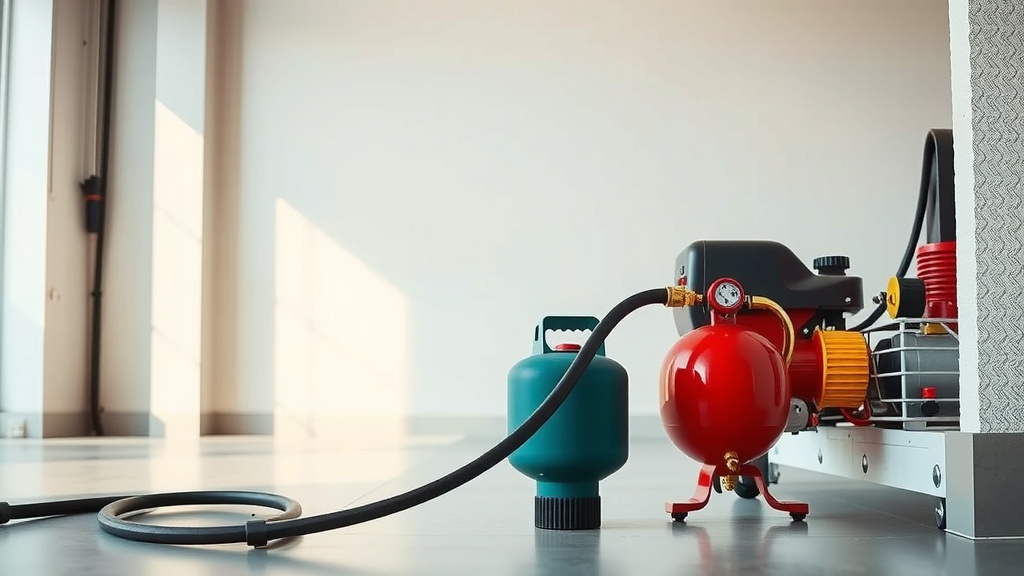
Using an air compressor to syphon gas is highly discouraged due to extreme safety risks, including fire, explosion, and equipment damage. It is an incredibly dangerous and inefficient method.
Instead of trying to syphon gas with an air compressor, always opt for a purpose-built fuel transfer pump designed for safe and effective fuel removal.
- Thinking about siphoning gas with an air compressor? Stop! It’s super dangerous and can lead to fires or explosions.
- Air compressors are for air, not flammable liquids like gasoline. Using one with gas is a recipe for disaster.
- You risk serious injury, damaging your vehicle, and ruining your air compressor if you try this method.
- Always use a dedicated, hand-cranked or electric fuel transfer pump for moving gasoline safely.
How To Syphon Gas With Air Compressor?
Attempting to syphon gas using an air compressor is a method we strongly advise against due to the severe safety hazards involved. It’s a quick route to potential catastrophe rather than a practical solution.
Understanding the Risks Before You Start
You might think using air pressure could help, but gasoline and compressed air are a volatile combination. The slightest spark can ignite fuel vapors, turning a simple task into a dangerous emergency. Many experts, including those at the National Fire Protection Association (NFPA), warn against mixing fuel and air compressors.
Why Siphoning Gas is Tricky Business
Gasoline isn’t just a liquid; it constantly releases flammable vapors. These vapors are heavier than air and can spread, finding ignition sources far from the fuel itself. This invisible danger makes any fuel transfer tricky, let alone one involving pressurized air.
Traditional Siphoning: The Safer (Still Risky) Alternative
Even traditional mouth siphoning or using a simple hose carries risks like ingesting fuel or creating spills. While less volatile than using a compressor, it’s still not the safest way. We always recommend using tools specifically designed for fuel transfer.
What You Absolutely NEED Before Trying (Even a Manual Syphon)
If you must deal with fuel, basic safety gear is non-negotiable. You’ll need safety goggles to protect your eyes and chemical-resistant gloves to shield your skin. Keeping a fire extinguisher nearby is also a smart move, just in case.
Why Using Your Air Compressor Isn’t The Go-To Method
Your air compressor has electrical components and can generate heat, both of which are ignition sources. Introducing gasoline fumes into this environment is like inviting disaster. Furthermore, fuel can damage the internal components of your compressor, rendering it useless.
The Dangers of Fuel Vapors and Compression
Air compressors work by taking in air and compressing it, often generating heat as a byproduct. When gasoline vapors are present, this heat, combined with the electrical sparks common in compressor motors, can trigger an explosion or fire. Research often highlights the extreme flammability of gasoline vapors (Occupational Safety and Health Administration – OSHA).
Can You Modify Your Compressor for Safe Siphoning?
No, you really can’t. There’s no safe modification that turns a standard air compressor into a fuel transfer device. Its fundamental design and operating principles are simply incompatible with handling flammable liquids. Trying to jury-rig something is a recipe for serious danger.
The Right Tools For Fuel Transfer
Instead of risky hacks, invest in tools made for the job. A dedicated fuel transfer pump is your best friend here. These pumps are designed to be spark-proof and resistant to fuel, making the process much safer. You can find both manual hand pumps and electric versions.
Step-by-Step for Proper Fuel Transfer (NOT with an Air Compressor!)
When you need to move fuel, always use a proper pump. Here’s a basic guide for safe fuel transfer, showing you how to do it without an air compressor. Remember, safety first, always.
Here’s a quick comparison to highlight why one method is chosen over the other:
| Feature | Air Compressor | Dedicated Fuel Transfer Pump |
|---|---|---|
| Safety Risk | High (fire, explosion, injury) | Low (when used correctly) |
| Equipment Damage | Likely (compressor, vehicle) | Unlikely (designed for fuel) |
| Efficiency | Poor, unpredictable | High, consistent |
| Cost | Risk of costly repairs/loss | Modest investment for safety |
Before you even begin, let’s go through a quick checklist to make sure everything is ready for a safe transfer:
- Have a purpose-built fuel transfer pump ready.
- Gather safety goggles and chemical-resistant gloves.
- Ensure you have approved fuel containers nearby.
- Locate a dry chemical fire extinguisher within reach.
- Confirm the work area is well-ventilated and free of ignition sources.
Preparing Your Workspace
Always work in a well-ventilated outdoor area away from any open flames, sparks, or electrical devices. Static electricity can also be a hidden danger, so avoid working on carpets or in areas where static can easily build up. Use a drip pan to catch any spills.
Using a Hand Siphon Pump Safely
Place the receiving container lower than the fuel source for gravity to assist. Insert one end of the pump hose into the fuel tank and the other into your approved container. Operate the pump according to its instructions, typically by squeezing a bulb or cranking a handle. Watch for spills and stop when the desired amount is transferred.
When To Call For Professional Help
If you’re dealing with a large spill, a damaged fuel tank, or feel unsure about the process, don’t hesitate to call a professional. Mechanics and roadside assistance services are equipped to handle fuel-related issues safely and effectively. Your safety is worth it.
Preventative Measures for Fuel Storage
Proper storage prevents future transfer needs. Always store gasoline in approved, clearly labeled containers designed for fuel. Keep these containers in a cool, dry, well-ventilated area, away from direct sunlight, heat sources, and out of reach of children and pets. This helps maintain safety and fuel quality.
Conclusion
While the idea of using an air compressor to syphon gas might seem like a clever shortcut, it’s one of the most dangerous things you can attempt. The risks of fire, explosion, severe injury, and equipment damage are simply too high. We’ve seen firsthand how crucial it is to prioritize safety when dealing with flammable liquids.
Instead, choose the safe and proper tools: a dedicated fuel transfer pump. These inexpensive tools are specifically designed to handle gasoline safely, without the inherent dangers of an air compressor. Remember, your safety and the longevity of your equipment are far more important than saving a few minutes with a risky method.
Frequently Asked Questions
Is it ever safe to use an air compressor near gasoline?
Generally, no. Even being in close proximity to gasoline vapors can be risky for an air compressor. The motor’s electrical sparks or heat can ignite vapors, leading to a fire. It’s best to keep compressors and flammable fuels in separate, well-ventilated areas.
What kind of fuel transfer pump should I buy?
For most personal uses, a manual hand siphon pump or a battery-operated transfer pump is ideal. Look for pumps explicitly rated for gasoline or multi-purpose fuel transfer. Always check reviews and product specifications to ensure it meets safety standards (Consumer Product Safety Commission – CPSC).
What should I do if I accidentally spill gasoline during transfer?
Immediately stop the transfer. If it’s a small spill, use absorbent materials like kitty litter or shop rags to contain and clean it up. Dispose of the contaminated materials properly according to local hazardous waste guidelines. For larger spills, evacuate the area, prevent ignition sources, and call emergency services or a hazmat team.
Can gasoline fumes be harmful to breathe?
Yes, gasoline fumes are harmful. Short-term exposure can cause dizziness, headaches, and nausea. Long-term or high-level exposure can lead to more serious health issues. Always ensure ample ventilation when working with gasoline to minimize inhalation risks.
How do I properly dispose of old or contaminated gasoline?
Never pour gasoline down drains, on the ground, or in regular trash. Old or contaminated gasoline is considered hazardous waste. You should contact your local waste management facility or hazardous waste disposal sites for proper disposal instructions. Many areas have specific collection events for household hazardous waste.
