
How To Use Small Air Compressor?
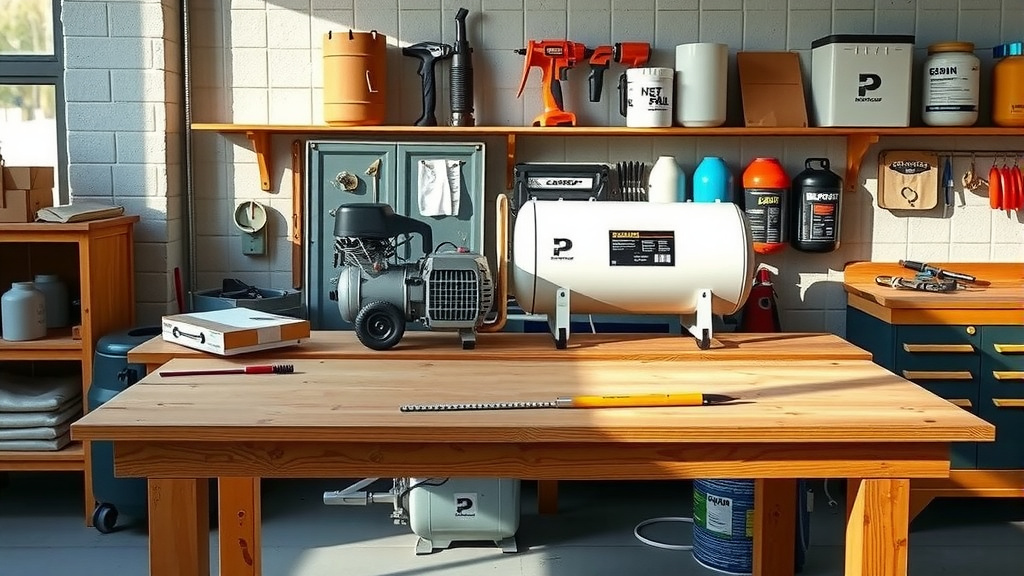
To use a small air compressor, first connect the appropriate air tool to the hose securely.
Then, plug in the compressor, turn it on, and wait for it to build up sufficient air pressure before operating your tool safely.
- Always prioritize safety: **wear eye and ear protection**.
- Match your tool’s PSI and CFM needs to the compressor.
- Connect hoses and attachments **firmly to prevent leaks**.
- Regularly drain moisture from the air tank to **prevent internal rust**.
- Store your compressor in a dry, clean area for **maximum lifespan**.
How To Use Small Air Compressor?
Using a small air compressor opens up a world of possibilities for your projects. These handy machines are **surprisingly versatile tools** for tasks around your home or workshop. With a few simple steps, you can start inflating tires, powering nail guns, or even spray painting.
You don’t need to be an expert to operate one. We found that most small air compressors are **designed for ease of use**. They are built to be intuitive, making them accessible even for beginners. Let’s walk through how to get yours running effectively and safely.
Why Consider a Small Air Compressor?
Small air compressors are like a versatile utility knife for your projects. They are **compact and easy to move around**, fitting into tight spaces. You can use them for quick jobs without hauling out a huge machine.
Many homeowners love them for simple tasks. We found these compressors are perfect for inflating car tires, sports equipment, or even **seasonal pool toys quickly**. They offer a great balance of power and portability.
Understanding Your Compressor’s Parts
Before diving in, let’s quickly look at what makes your compressor tick. You’ll usually see an **air tank, a motor, and gauges**. There’s also a pressure regulator and quick-connect coupler. Each part plays a key role.
The tank stores compressed air. The motor builds the pressure. Gauges show you the current pressure in the tank and what’s going to your tool. The regulator lets you **adjust the air output** for different tasks.
Safety First: Your Top Priority
Whenever you’re working with power tools, safety comes first. Air compressors can be powerful, so **protecting yourself is crucial**. Always wear safety glasses to shield your eyes from debris.
Consider wearing hearing protection too. Air compressors can be loud, especially in a small space. Many experts recommend this to **prevent long-term hearing damage**. Good ventilation is also a smart idea.
Choosing the Right Air Tool
Your small air compressor can power many different tools. Are you inflating something? A simple air chuck or nozzle will work. Planning to nail some trim? You’ll need a **pneumatic nail gun**. Each tool has specific needs.
Some tools, like blow guns for cleaning, use less air. Others, like small paint sprayers, might demand a steady flow. Always check your tool’s requirements for **optimal performance and safety**.
Matching PSI and CFM
This is where your compressor’s performance meets your tool’s needs. PSI stands for Pounds per Square Inch, showing pressure. CFM means Cubic Feet per Minute, showing airflow. Both are important.
Your air tool will list its required PSI and CFM. Make sure your compressor can meet these numbers. If not, your tool might perform poorly or even get damaged. Research often connects proper matching with **tool longevity (manufacturer guidelines)**.
Step-by-Step Guide to Using Your Compressor
Ready to get started? Using your small air compressor is quite straightforward. Follow these steps, and you’ll be working in no time. Think of it like cooking: **preparation makes all the difference**.
Setting Up Your Workspace
First, find a flat, stable surface for your compressor. You want it away from obstructions, allowing **good air circulation**. Also, ensure you have a power outlet nearby. An extension cord might be necessary, but use one rated for the compressor’s power draw.
Connecting the Air Hose and Tools
Connect one end of your air hose to the compressor’s quick-connect coupler. Then, attach your chosen air tool to the other end of the hose. Make sure both connections are **firm and free from leaks**. A quick tug can confirm this.
Many air tools require a specific type of fitting. We found that most small compressors use universal quick-connect couplers. However, always double-check compatibility to **avoid connection issues**.
Powering On and Building Pressure
Plug in your compressor and flip the power switch. You’ll hear it hum to life, building air pressure in the tank. The gauges will show the pressure rising. It will run until it reaches its maximum preset pressure, then automatically shut off. This is normal. **It’s ready when it’s quiet**.
Adjusting Air Pressure for Your Task
Now, adjust the regulator. This dial controls the air pressure going to your tool. You’ll see one gauge showing tank pressure and another showing output pressure. Set the output pressure to what your tool requires. Too much pressure can damage your tool or your work. Too little, and it won’t operate correctly. Many experts suggest **starting low and increasing slowly**.
Operating Your Air Tool Safely
With the pressure set, you can begin using your tool. Always hold the tool firmly with both hands if possible. Control the trigger smoothly. Avoid pointing the tool at yourself or others. Remember, **air power is powerful**.
Take breaks if you’re doing a long job. This gives both you and the compressor a rest. It also helps prevent overheating. We found that short, consistent bursts are often **more effective than long, continuous use**.
When Your Compressor Shuts Off
During use, your compressor will turn on and off. This is how it maintains pressure in the tank. When the pressure drops below a certain point, the motor kicks on. Once it reaches maximum pressure again, it shuts off. This **cycle is completely normal** and expected.
Maintenance for Long-Lasting Performance
A little care goes a long way with your small air compressor. Regular maintenance keeps it running smoothly and extends its life. Think of it as **giving your trusty sidekick a tune-up**.
Draining the Air Tank
This is arguably the most critical maintenance step. Compressed air contains moisture. This moisture collects in the tank and can cause rust. After each use, or at least weekly, open the drain valve at the bottom of the tank. You’ll see water come out. Do this until only air escapes. **Rust weakens the tank**, posing a safety risk (OSHA guidelines).
Checking Air Filters
Your compressor has an air intake filter. This filter keeps dust and debris out of the motor. Check it regularly and clean or replace it as needed. A dirty filter can reduce efficiency and **strain the motor unnecessarily**. Keeping it clean is a simple fix for better performance.
Storing Your Compressor Properly
When you’re done, turn off and unplug the compressor. Release any remaining air pressure from the tank using the regulator or drain valve. Store it in a dry, clean place, protected from extreme temperatures. Keeping it out of harsh conditions helps **prevent premature wear and tear**.
Troubleshooting Common Small Compressor Issues
Sometimes things don’t go perfectly. Here are a few common issues you might encounter:
- No Power: Check the power cord, outlet, and circuit breaker. Is the compressor properly plugged in?
- Air Leaks: Listen for hissing sounds around connections. Tighten fittings or replace O-rings if needed.
- Low Pressure: Is the regulator set correctly? Is the tank full? A leaky hose can also cause this.
- Compressor Overheating: Ensure good ventilation. Don’t run it continuously for too long.
Here’s a quick pre-use checklist to keep you safe:
- Safety glasses are on.
- Ear protection is in place.
- Air hose and tools are securely connected.
- Regulator is set to the correct PSI.
- Compressor is on a stable surface.
| Common Uses | Typical PSI Range | Why This Pressure? |
|---|---|---|
| Tire Inflation | 30-90 PSI | Matches vehicle tire recommendations. |
| Brad Nailing | 70-90 PSI | Enough power to drive small nails flush. |
| Blowing Dust | 40-60 PSI | Effective for cleaning without excessive force. |
| Airbrushing | 15-30 PSI | Fine control for delicate paint work. |
Conclusion
Using a small air compressor doesn’t have to be intimidating. By understanding its basic parts, prioritizing safety, and following a few simple steps, you can **master this useful tool**. From inflating tires to tackling small carpentry jobs, your compressor is ready to assist.
Remember that consistent maintenance, like draining the tank, will ensure your compressor remains a **reliable workhorse for years**. We hope this guide helps you feel confident and ready to power through your next project. Happy compressing!
What is the best pressure setting for inflating car tires with a small air compressor?
For car tires, you should always refer to your vehicle’s specific PSI recommendation, usually found on a sticker inside the driver’s side door jamb or in the owner’s manual. Most passenger car tires fall between 30-35 PSI, but checking your car’s exact needs is important.
How often should I drain the water from my small air compressor’s tank?
Many experts recommend draining the tank after every use to prevent moisture buildup and rust. If you use it infrequently, aim for at least once a week or before extended storage. This simple step helps prolong the life of your compressor significantly.
Can I leave my air hose connected to the compressor when not in use?
While you can, it’s generally better to disconnect the air hose and relieve any pressure in the system when storing the compressor. Leaving it connected and pressurized can put unnecessary strain on the hose and fittings over time. Always ensure the compressor is turned off and unplugged first.
What’s the difference between PSI and CFM for air compressors?
PSI (Pounds per Square Inch) measures the force or pressure of the air being delivered, while CFM (Cubic Feet per Minute) measures the volume or flow rate of the air. You need both to be adequate for your air tool; PSI for power, and CFM for continuous operation.
My small air compressor gets hot during use; is this normal?
Yes, it’s normal for air compressors to generate heat, especially around the motor and pump, due to the friction and compression involved. However, if it feels excessively hot to the touch or frequently overheats and shuts off, check for proper ventilation, ensure it’s not overworking, and verify the air filter isn’t blocked.
