
How To Use Schumacher Air Compressor?
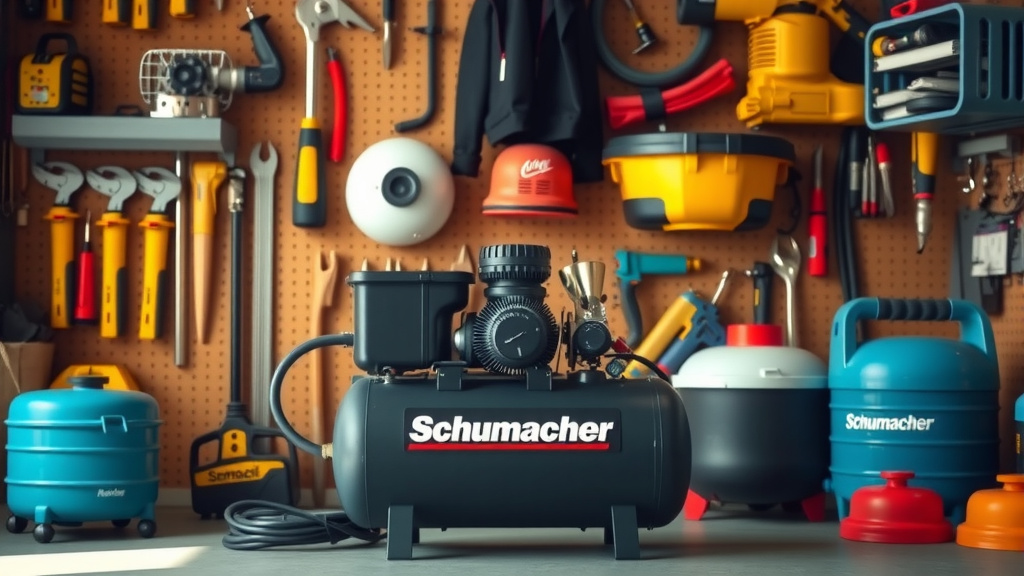
To use a Schumacher Air Compressor, first ensure it’s on a stable, flat surface and connected to a proper power source. Then, attach your air hose and desired tool, set the pressure using the regulator, and turn the unit on to inflate or power your tools.
You can effectively use your Schumacher Air Compressor for various tasks, from inflating tires to operating pneumatic tools, by following essential safety guidelines and understanding its specific features.
Here’s a quick look at how to get the most from your Schumacher Air Compressor:
- Always begin by reviewing your compressor’s manual for specific safety instructions.
- Ensure the compressor is placed on a stable surface with good ventilation.
- Connect your air hose and tool securely before turning on the power.
- Adjust the air pressure (PSI) to match the requirements of your task or tool.
- Perform regular maintenance, such as draining the tank, to extend its lifespan.
How To Use Schumacher Air Compressor?
Using a Schumacher Air Compressor involves straightforward steps from setup to operation and maintenance. You’ll find these units are often user-friendly and reliable for many tasks, once you understand the basics.
Getting Started: Your First Steps
Unboxing your new compressor is exciting, but let’s pause for a moment. Before anything else, take a minute to read your specific model’s manual. We found that each Schumacher model can have unique features or safety notes you should know.
Understanding Your Schumacher Model
Schumacher offers various compressors, from portable 12V units for roadside emergencies to larger workshop models. Knowing if you have a small inflator or a larger tank model helps you understand its capabilities and limitations. What kind of jobs do you have in mind for it?
Safety First: A Little Caution Goes A Long Way
Safety should be your top priority. Air compressors can generate significant pressure, so handling them safely is a must. Many experts say wearing safety glasses is essential whenever the compressor is operating (OSHA guidelines).
Consider these points before you even plug it in:
- Wear eye protection to shield against flying debris.
- Work in a well-ventilated area to prevent fume buildup.
- Keep children and pets at a safe distance from the operating unit.
- Check hoses and connections for any damage or wear before each use.
Setting Up Your Compressor For Action
Once you’ve reviewed the safety basics, it’s time to get your Schumacher ready. Find a flat, stable surface for placement. This prevents the unit from tipping over, which could be dangerous.
The Power Connection Explained
For electric models, connect your compressor directly to a grounded outlet if possible. If you need an extension cord, ensure it’s rated for the compressor’s power requirements. An undersized cord could cause overheating or damage (Electrical Safety Foundation International).
Connecting Your Tools: Airing It Out
With the compressor powered, you’ll need to attach your air hose. Most Schumacher compressors use standard quick-connect fittings. Just push the male fitting on your hose into the female coupler on the compressor until it clicks into place. Make sure it feels secure.
Adjusting Pressure For Perfect Performance
Your Schumacher compressor will have a pressure regulator and a gauge. The gauge shows the tank pressure, while the regulator lets you control the output pressure to your tool. Adjust the regulator knob until the output gauge reads the recommended PSI for your specific task.
Operating Your Schumacher Air Compressor
Now, you’re ready to roll! Turn the power switch to the “on” position. The compressor will start to build pressure. You’ll hear it running, and the tank pressure gauge will rise. It will usually shut off automatically once it reaches its maximum internal pressure.
When using an air tool, like an impact wrench or tire inflator, simply attach it to the end of your air hose. Always remember to match the PSI setting to the tool’s requirements. Too much pressure can damage your tool or the item you’re working on.
| Common Task | Recommended PSI Range |
|---|---|
| Inflating car tires | 30-35 PSI |
| Inflating bicycle tires | 50-80 PSI |
| Nail Gun Operation | 70-120 PSI |
| Blowing Dust/Debris | 20-50 PSI |
Maintaining Your Compressor: Keep It Running Smoothly
Regular maintenance ensures your Schumacher compressor has a long, happy life. The most common task is draining the air tank. Why? Because as the compressor runs, moisture condenses inside the tank, which can lead to rust and corrosion over time (compressor manufacturer guidelines).
Essential Maintenance Checklist
A few simple steps can save you headaches later:
- Drain the tank daily or after each use: Locate the drain valve at the bottom of the tank, open it, and let the water out.
- Check the air filter regularly: A clogged filter can reduce efficiency. Clean or replace it as needed.
- Inspect hoses and fittings: Look for cracks, leaks, or loose connections.
- Test the safety valve: Briefly pull the ring on the safety valve to ensure it’s not stuck.
Troubleshooting Common Issues
What if your compressor isn’t behaving? If it’s not turning on, first check the power connection and any circuit breakers. If it’s running but not building pressure, you might have a leak in your hose or fittings. A quick spritz of soapy water can reveal tiny leaks with bubbles.
When To Call For Help
If you encounter serious problems like strange noises, persistent air leaks you can’t fix, or the motor not working at all, it’s best to consult the Schumacher customer support. Attempting complex repairs yourself might void your warranty or cause further damage.
Conclusion
Using your Schumacher Air Compressor effectively is all about preparation, understanding, and consistent care. By prioritizing safety, knowing your model’s capabilities, and performing regular maintenance, you’re set to tackle countless projects with ease. Treat your compressor well, and it will be a reliable partner for years to come.
Can I use any air tool with my Schumacher compressor?
You can use most standard air tools with your Schumacher compressor, but always check the tool’s CFM (Cubic Feet per Minute) and PSI requirements. Ensure your compressor can meet or exceed these demands for optimal tool performance. Smaller portable compressors might struggle with high-CFM tools.
How often should I drain the tank?
We found that many experts recommend draining the air tank after every use, especially in humid environments. This prevents moisture buildup, which can cause internal rust and shorten the compressor’s lifespan. If you use it less frequently, drain it before prolonged storage.
What’s the best way to store my compressor?
Store your Schumacher Air Compressor in a dry, clean environment, away from extreme temperatures. Before storing, drain the air tank completely, turn off the power, and coil the air hose neatly. Keeping it covered can also protect it from dust and debris.
Is it normal for the compressor to be noisy?
Yes, air compressors generally produce noise during operation as they build pressure. The level of noise can vary significantly by model and type (oil-lubricated vs. oil-free). If you notice an unusual or excessively loud noise, it might indicate a problem that needs checking.
What does PSI mean on an air compressor?
PSI stands for “Pounds per Square Inch,” and it’s a standard unit for measuring pressure. On an air compressor, PSI indicates the force of the compressed air. You’ll adjust the output PSI to match the specific pressure requirements of the tools or items you’re working with.
