
Are Old Air Compressors Dangerous?
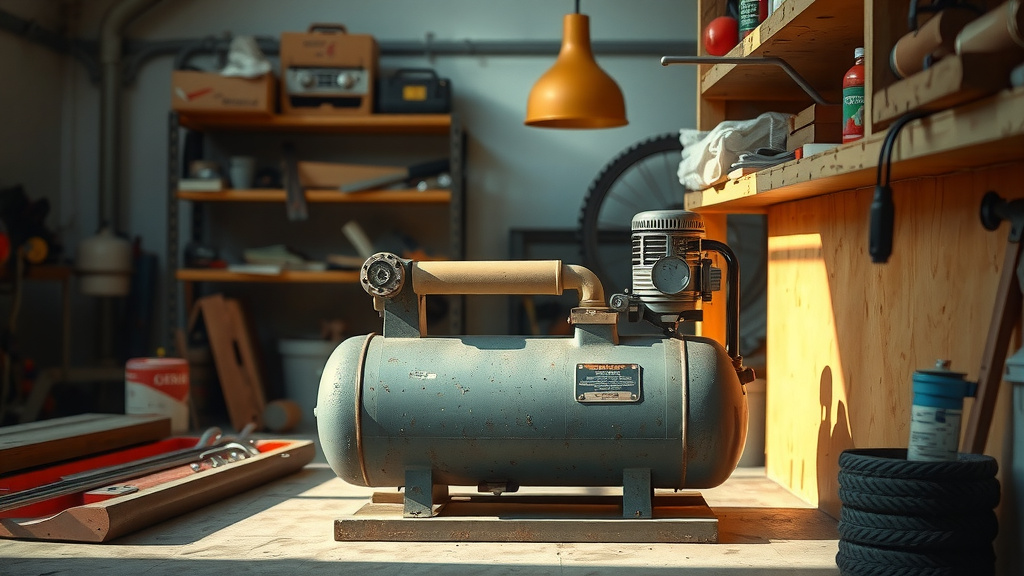
Yes, old air compressors can definitely be dangerous if not properly maintained or inspected. They can develop serious issues like tank corrosion, electrical faults, and valve failures over time.
Protecting yourself and your workspace from potential hazards like explosions, fires, and injuries from an old air compressor requires consistent vigilance and proactive safety measures. Don’t take chances with aging equipment.
Here’s a quick overview of why your old air compressor might be a concern:
- Aging tanks can rust from the inside, leading to potential ruptures.
- Electrical components can fray or short, posing fire risks.
- Pressure relief valves might stick, causing dangerous over-pressurization.
- Leaks reduce efficiency and can hide larger internal problems.
- Regular inspections and proper maintenance are key to safety.
Are Old Air Compressors Dangerous?
Absolutely, an old air compressor can indeed become a safety risk in your workshop or garage. Years of use, wear, and tear can turn a reliable tool into a potential hazard. You might not even realize the dangers lurking within your equipment.
The Hidden Dangers of Aging Compressors
Think of your air compressor like an old car. Over time, parts degrade, and systems can fail. With a compressor, these failures can be quite serious, affecting both your safety and your projects.
Corrosion and Tank Integrity
One of the biggest concerns for old air compressors is the storage tank. Inside, moisture can build up and lead to internal rust and corrosion. This weakens the tank walls over time. A corroded tank under high pressure can fail catastrophically, causing an explosion (OSHA guidelines frequently highlight this risk).
You might not see this damage from the outside. That’s why internal tank inspections are so important. We found that many accidents stem from neglected tank integrity.
Electrical Malfunctions
Electrical components in older units can become brittle or damaged. Wires can fray, connections can loosen, and motors can overheat. This creates a significant risk of electrical shorts or even fire. You should always be cautious around any electrical appliance with exposed wiring.
Many experts advise checking power cords and motor housings regularly. Look for any signs of heat discoloration or worn insulation.
Pressure Relief Valve Failures
Every air compressor has a pressure relief valve, a critical safety device. Its job is to release excess pressure if the tank overfills. If this valve becomes clogged, corroded, or simply fails due to age, the tank pressure can build dangerously high. This is a primary cause of tank ruptures and explosions (research often points to valve failure as a key factor).
Testing your pressure relief valve is a simple yet vital safety check. Don’t skip this step; it could save lives.
Warning Signs Your Compressor Is Aging
Your old air compressor usually gives you hints when it’s struggling. Paying attention to these signs can help you prevent a dangerous situation. Think of them as your compressor’s way of asking for help.
Unusual Noises and Vibrations
Does your compressor sound different lately? New grinding, rattling, or knocking noises can indicate worn bearings or other internal component failures. Excessive vibration also suggests something isn’t right. These sounds are often a call for immediate attention.
Decreased Performance
Is your compressor taking longer to build pressure? Does it struggle to maintain constant airflow? These are signs of reduced efficiency, likely due to wear and tear. A struggling compressor might be overworking, which can lead to overheating or more rapid component degradation.
Visible Leaks and Rust
Take a good look at your unit. Do you see air leaks from fittings, hoses, or the tank itself? What about patches of rust, especially near welds or the tank bottom? Visible leaks mean lost pressure, while rust on the outside hints at potential internal corrosion. Don’t ignore these visual cues.
Essential Safety Checks for Older Units
Regular maintenance is your best defense against the dangers of an aging air compressor. You can perform many checks yourself, making your workshop a safer place. Here’s a quick guide to help you out.
Regular Tank Inspections
We found that inspecting your tank annually for external rust is a good start. Also, drain condensation regularly to prevent internal rust. Many experts suggest having a professional service internally inspect the tank every few years (Compressed Gas Association recommendations).
Valve Testing
Test your pressure relief valve monthly by pulling the ring to release a burst of air. It should snap back firmly. Also, check your drain valve for blockages. A sticking valve means it’s time for a replacement; don’t try to fix it. This proactive step can prevent dangerous pressure build-up.
Electrical System Review
Inspect all wiring, plugs, and connections for wear, cuts, or burning smells. Ensure your power outlet is properly grounded. We found that keeping electrical components clean and free from dust helps prevent overheating and shorts. If you see any damage, unplug the unit immediately.
Here’s a handy checklist for quick safety glances:
-
Check the pressure gauge for accurate readings.
-
Listen for unusual sounds during operation.
-
Inspect all hoses and connections for leaks.
-
Ensure the air filter is clean and unobstructed.
-
Verify that the safety shut-off mechanisms work.
When Is It Time to Replace Your Old Compressor?
At some point, the cost and effort of keeping an old compressor safe outweigh its benefits. You might face a choice between continuous repairs and investing in a new unit. Knowing when to make that call is important.
Here’s a simple comparison to help you decide:
| Factor | Keep Old Compressor | Replace with New |
|---|---|---|
| Safety Risks | High, increasing with age | Low, new safety features |
| Maintenance Costs | Frequent and potentially expensive | Minimal initially, predictable |
| Reliability | Decreasing, prone to breakdowns | High, consistent performance |
| Efficiency | Lower, higher energy bills | Higher, saves on electricity |
| Noise Level | Often louder due to worn parts | Generally quieter, modern designs |
Cost vs. Safety
If you’re constantly replacing parts or dealing with frequent breakdowns, the cumulative cost can quickly outpace a new unit’s price. More importantly, your safety and the safety of those around you are priceless. Sometimes, the peace of mind a new, reliable compressor offers is well worth the investment. Many experts advise that any compressor over 10-15 years old should be carefully assessed for replacement, especially if showing signs of heavy rust or frequent issues.
Conclusion
Old air compressors can certainly be dangerous, but you have the power to mitigate many of these risks. Regular maintenance, attentive safety checks, and knowing when to upgrade are all key. Your safety should always be your top priority in any workspace. By staying informed and proactive, you can ensure your air compressor remains a helpful tool, not a hidden hazard.
What is the average lifespan of an air compressor tank?
The typical lifespan of an air compressor tank is around 10 to 15 years, though this can vary. Factors like frequency of use, environmental conditions, and how often condensation is drained play a big role. Tanks in humid areas or those not regularly drained might degrade faster due to internal corrosion.
Can an air compressor explode from over-pressurization?
Yes, an air compressor can explode from over-pressurization if its safety mechanisms fail. The pressure relief valve is designed to prevent this by venting excess air. If this valve becomes faulty, stuck, or corroded, the pressure inside the tank can build to dangerous levels, potentially causing an explosion.
How often should I drain the condensation from my air compressor tank?
You should drain the condensation from your air compressor tank after every use, or at least daily if you use it frequently. This simple habit prevents moisture from accumulating, which is the primary cause of internal rust and corrosion, significantly extending the tank’s life and safety.
Are old air compressors less energy efficient?
Yes, old air compressors are generally less energy efficient. Worn components like piston rings, valves, and seals can lead to air leaks and reduced compression efficiency. This means the compressor has to work harder and longer to achieve the same pressure, consuming more electricity and increasing your utility bills.
What kind of professional inspection should an old air compressor receive?
An old air compressor should receive a professional inspection that includes checking tank integrity, testing pressure relief valves, assessing motor and electrical components, and examining all hoses and fittings for leaks or wear. A qualified technician can identify potential hazards you might miss and perform necessary repairs or recommend replacement (Many industrial safety guidelines suggest this).
