
Should You Leave Air Compressor Full?
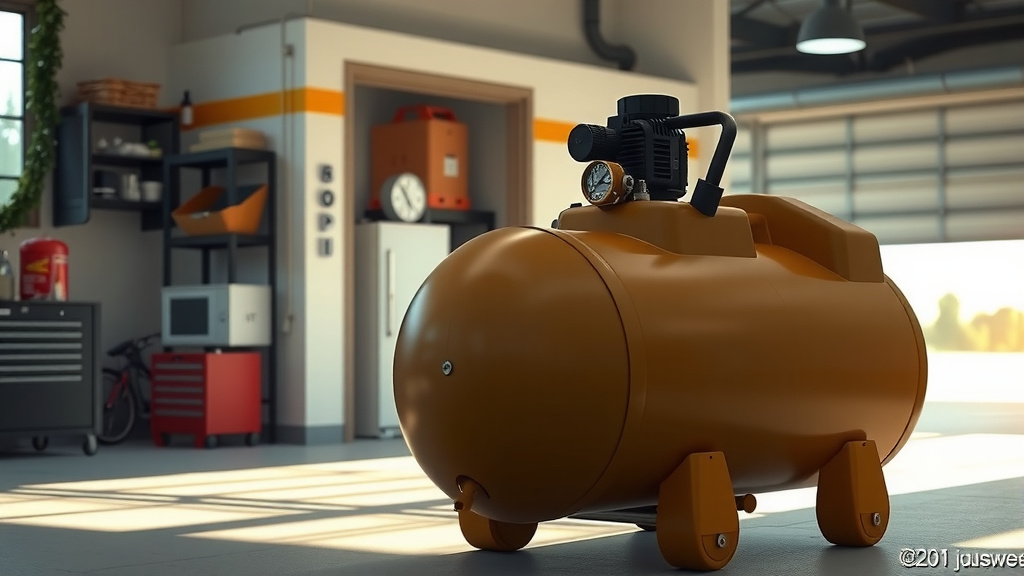
No, you generally should not leave an air compressor full of pressurized air for extended periods.
Draining your air compressor tank after use is a critical safety measure and helps extend its lifespan.
- You should always depressurize your air compressor after each use.
- Leaving an air compressor full increases safety risks, including potential tank rupture.
- Moisture builds up inside the tank, leading to rust and component damage.
- It puts unnecessary strain on seals and valves, shortening their life.
- Draining the tank regularly helps maintain optimal compressor performance.
Should You Leave Air Compressor Full?
You might wonder if it’s okay to let your air compressor sit full, especially after a big project. The short answer is a firm no. Keeping your tank pressurized for a long time can create several problems that impact safety and your compressor’s longevity.
Think of it like leaving your car running in the garage overnight. It seems convenient, but it introduces unnecessary risks and wear. Your air compressor needs proper care, and that includes depressurizing after each use.
The Core Reason: Safety First
Your air compressor tank is designed to hold air under immense pressure. However, this pressure can become a hazard if not managed correctly. Leaving the tank full means it’s constantly under stress. This constant strain can weaken the tank over time, especially if there are any unseen flaws or corrosion.
Many experts, including those at the Occupational Safety and Health Administration (OSHA), emphasize the importance of regular pressure release. A sudden tank rupture can be incredibly dangerous, causing serious injury or property damage. Why take the chance when a simple action can prevent it?
Understanding Moisture and Rust
Air contains water vapor. When your compressor draws in air and compresses it, this water vapor turns into liquid condensation inside the tank. It’s a natural process, but it’s also your compressor’s worst enemy.
Leaving pressurized air in the tank allows this moisture to sit and pool. This standing water quickly leads to rust and corrosion on the inside of the tank. Rust weakens the metal walls, making a rupture more likely. It also contaminates your air supply, affecting your tools and projects.
The Silent Enemy: Condensation
Condensation isn’t just about water. It often mixes with tiny oil particles from the compressor, creating a sludge. This sludge can clog air lines and damage sensitive pneumatic tools. We found that draining daily prevents this buildup, keeping your air supply cleaner and your tools safer (manufacturer guidelines).
Wear and Tear on Internal Components
Beyond the tank itself, constant pressure impacts other parts of your compressor. Seals, valves, and gaskets are all designed to handle pressure, but they also have a lifespan. Keeping them under continuous stress, even when not in use, can accelerate their wear.
Over time, these components can degrade, leading to air leaks. A leaking compressor not only wastes energy but also means your compressor has to work harder and longer to maintain pressure, shortening its overall lifespan. It’s like leaving your car engine under constant load, even when parked.
Energy Waste and Your Wallet
Even if your compressor isn’t actively running, a full tank can still be a drain on your resources. Some compressors have small leaks that allow pressure to escape slowly. This means the compressor might “kick on” periodically to refill the tank, even when you’re not using it.
This phantom load adds up on your electricity bill. By depressurizing and turning off your compressor, you ensure it only runs when needed, saving you money and energy. Many users report noticeable savings by shutting down completely after use.
When Is It Acceptable to Keep Some Pressure?
You might have quick tasks that require short bursts of air, where it feels inconvenient to drain every time. For instance, if you’re inflating car tires in the morning and then need to air up bike tires in the afternoon on the same day. In such cases, leaving some pressure for a few hours might be acceptable.
However, this is only for very short intervals, ideally within the same day’s work. It should never be for overnight storage or longer periods. Always make it a habit to release pressure before any extended break.
Short Breaks vs. Long-Term Storage
Think of it as a coffee break versus a vacation. A coffee break means you might leave your tools out, but for a vacation, you put everything away. For an air compressor, anything more than a few hours, or certainly overnight, counts as long-term storage regarding pressure release.
Best Practices for Air Compressor Care
Maintaining your air compressor is simple once you establish a routine. These steps ensure your equipment lasts longer and operates safely.
- Depressurize After Each Use: Open the drain valve and main air valve to release all pressure.
- Drain Condensation Daily: Open the tank drain valve until all moisture is expelled.
- Inspect for Leaks: Periodically check hoses and connections for air leaks.
- Regular Oil Changes: If your compressor is oil-lubricated, follow manufacturer recommendations for oil changes.
- Clean Air Filters: A clean filter ensures clean air intake and efficient operation.
- Check Safety Valve: Test your safety relief valve regularly to ensure it functions correctly.
Regular Draining is Key
We cannot stress this enough: draining your tank is the single most important maintenance step. It directly impacts the internal health of your compressor and its safety. Make it the last thing you do after every use. It takes only a minute or two but makes a world of difference.
How to Drain Your Tank Safely
First, turn off your compressor and unplug it. Then, open the main air valve or use an air tool to release most of the air until the pressure gauge reads zero. Next, open the drain valve at the bottom of the tank. You’ll see water, and often rusty water, spray out. Keep it open until only air comes out, then close it. Simple as that!
Checking for Leaks
Even a small leak can cause your compressor to run unnecessarily. You can easily check for leaks by spraying a soapy water solution on all connections, hoses, and fittings. If you see bubbles forming, you have a leak. Tighten the fitting or replace the faulty part.
Weighing the Risks and Benefits
Let’s consider why you might be tempted to leave your air compressor full versus the benefits of draining it. The convenience of having instant air might seem appealing, but the risks heavily outweigh this small benefit.
| Action | Potential Risks / Downsides | Benefits / Upsides |
|---|---|---|
| Leaving Air Compressor Full | Increased tank rupture risk, accelerated rust, component wear, energy waste, contaminated air. | Minor convenience for immediate use. |
| Draining Air Compressor | Takes a few minutes of your time. | Enhanced safety, extended tank life, prevents rust, reduces component wear, saves energy, cleaner air. |
Safety Checks for Peace of Mind
Beyond draining, regularly check your compressor’s safety relief valve. This valve is a critical safety feature that releases pressure if the tank over-pressurizes. Many guidelines point to testing this valve annually (industry best practices). A quick pull of the ring should release a burst of air. If it doesn’t, have it serviced immediately.
Conclusion
The answer to “Should you leave your air compressor full?” is clear: for safety and longevity, you should always depressurize and drain your air compressor after each use. While it might seem like a small step, it’s a monumental one for maintaining your equipment’s health and ensuring your safety.
Making this a routine practice will save you money on repairs, extend the life of your valuable tools, and give you peace of mind. So, next time you finish a project, take those few extra minutes. Your air compressor, and your future self, will thank you.
How often should I drain my air compressor tank?
You should drain your air compressor tank after every single use. This practice prevents condensation buildup, which can lead to rust and tank degradation over time.
What happens if I don’t drain my air compressor?
If you don’t drain your air compressor, moisture will accumulate inside the tank, causing rust and corrosion. This weakens the tank walls and can lead to dangerous ruptures. It also contaminates your air supply and damages air tools.
Is it bad to leave air in an air compressor overnight?
Yes, it is bad to leave air in an air compressor overnight. Even if there are no immediate safety incidents, prolonged pressure and moisture exposure accelerate wear on the tank and components, significantly shortening the compressor’s lifespan.
Can a rusty air compressor tank explode?
Yes, a severely rusted air compressor tank can explode. Rust compromises the structural integrity of the tank, making it unable to withstand the internal pressure. This is a serious safety hazard, which is why regular draining is crucial.
Does draining an air compressor affect its performance?
Draining an air compressor actually improves its performance and longevity. By removing moisture, you ensure a cleaner air supply for your tools, prevent internal corrosion, and reduce the strain on the compressor, allowing it to operate more efficiently.
