How to Test a Speedaire 1NNF4 Compressor Capacitor
To test a Speedaire 1NNF4 compressor capacitor, disconnect and lock out power, verify the capacitor is discharged, then measure its capacitance with a suitable meter. Compare the result with the rating printed on the capacitor and the compressor’s service information.
On this page (9 sections)
- How do you test a Speedaire 1NNF4 compressor capacitor?
- What should you do before opening the compressor?
- How can you identify the capacitor rating?
- Which meter setting should you use?
- What does the capacitance reading mean?
- What if the capacitor looks damaged?
- What should you do if the compressor still won't start?
- Do oils help with a capacitor problem?
- How should you finish the test?
To test a Speedaire 1NNF4 compressor capacitor, isolate the power, verify the capacitor is discharged, and measure its capacitance with a meter that has a suitable capacitance range. Compare the reading with the microfarad rating on the capacitor and the compressor’s service information.
A capacitor may look intact and still be faulty. Because it can hold a dangerous charge after power is removed, the safe test starts with electrical isolation, not with opening the compressor cover.
How do you test a Speedaire 1NNF4 compressor capacitor?
Use a capacitance meter after disconnecting power and verifying the capacitor is discharged. The exact acceptable range depends on the value printed on that capacitor and the service information for your unit.
- Switch off and unplug the compressor, or isolate its circuit at the breaker.
- Apply your workplace lockout procedure so nobody can restore power during the inspection.
- Wait, then verify the capacitor is discharged using a properly rated meter and the manufacturer’s procedure.
- Photograph or label the wires before disconnecting anything.
- Disconnect one capacitor lead so the meter won't read through the rest of the circuit.
- Set the meter to capacitance mode and measure across the capacitor terminals as its manual directs.
- Compare the reading with the marked microfarad value and allowed tolerance.
If you can't identify the capacitor rating, find the unit's service documentation before deciding whether a result is acceptable. Don't assume that a reading is good just because the compressor starts once.
What should you do before opening the compressor?
Disconnect every power source and confirm the machine cannot start. Follow the compressor manual and your workplace electrical safety rules before removing a cover.
Unplugging a corded compressor may be enough to isolate its supply, but hardwired units need the correct disconnecting procedure. If the unit is part of a larger system, account for any remote start controls or stored electrical energy.
Wear eye protection and keep the work area dry. Don't work on electrical parts with wet hands, on a wet floor, or while wearing jewelry that could bridge terminals.
A capacitor can remain charged after power is cut. Never assume it has discharged on its own, and don't short the terminals with a screwdriver or other improvised tool.
If you're not trained to verify and safely handle capacitor charge, stop and call a qualified technician. A mistaken contact can cause serious injury.
How can you identify the capacitor rating?
Read the label on the capacitor itself and match its markings to the correct service information. Look for capacitance in microfarads, often shown as “µF” or “MFD,” and any stated tolerance.
The Speedaire 1NNF4 model name alone doesn't tell you the value of the installed capacitor. A unit may have been serviced or modified, so use its component label and the applicable documentation rather than relying on an assumed specification.
Take a clear photo of the label before disconnecting wires. If it is damaged or unreadable, don't guess at a replacement value; ask a technician or consult the correct parts support channel.
Which meter setting should you use?
Use capacitance mode if your meter supports a range that includes the capacitor’s marked value. Follow the meter manual for lead placement and any discharge or zeroing steps.
A resistance-mode test is not the same as a capacitance measurement. Resistance behavior may help identify an obvious open or short, but it doesn't mean the component meets its microfarad rating.
Check that your meter and leads are in good condition and rated for the task. Keep your fingers behind the probe guards and avoid touching exposed metal while measuring.
What does the capacitance reading mean?
A reading outside the capacitor’s marked tolerance calls for replacement or further diagnosis. Use the value and tolerance printed on the component, plus Speedaire service guidance, to interpret the result.
A zero, unstable, or out-of-range reading can point to a failed capacitor, a poor connection, or an unsuitable meter range. Recheck the setup only after confirming the capacitor is safely discharged and isolated from the circuit.
A reading within tolerance doesn't prove that every compressor electrical part is working correctly. The switch, wiring, motor, overload protection, and supply can also affect startup.
What if the capacitor looks damaged?
Leave a swollen, leaking, cracked, or burnt capacitor disconnected. Don't energize the compressor to see whether it will run.
Visual damage is a clear reason to stop using the part, but a normal appearance doesn't prove the capacitor is sound. Make the capacitance measurement only if you can do so safely and have the correct equipment.
If you find damaged wiring or heat marks around the terminals, don't replace the capacitor and restart without checking for the cause. A recurring fault may point to another electrical or mechanical problem.
What should you do if the compressor still won't start?
Treat the capacitor reading as one part of a broader diagnosis. If it is within tolerance, check the manual’s troubleshooting steps for the supply, controls, motor, and overload protection.
Don't bypass a pressure switch, thermal overload, or other safety control to force a start. If you need help deciding whether the unit can be repaired, see Can An Air Compressor Be Repaired?.
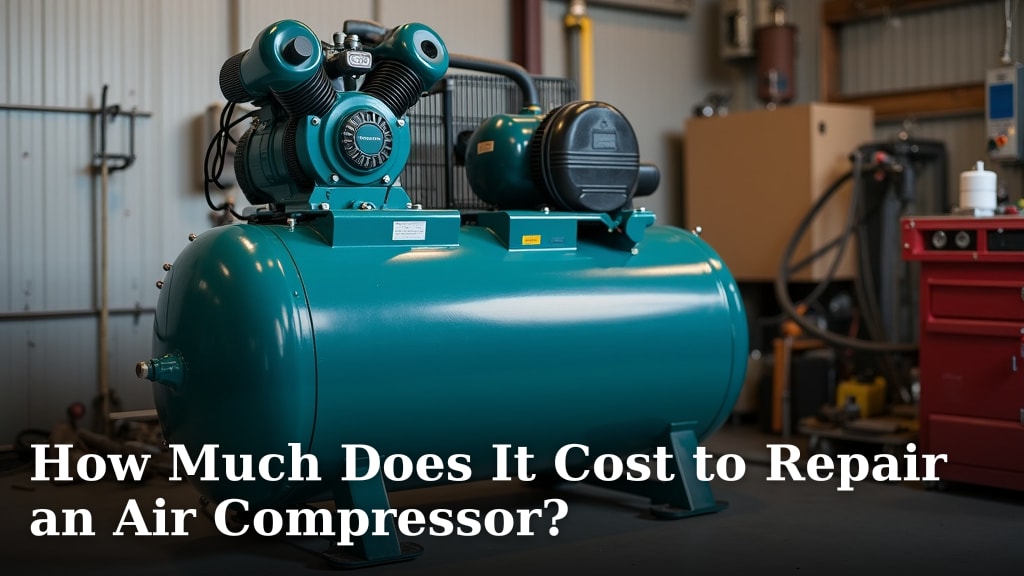
A technician can determine whether the failure is limited to the capacitor or involves a larger component. For repair planning, read How Much Does It Cost to Repair an Air Compressor?.
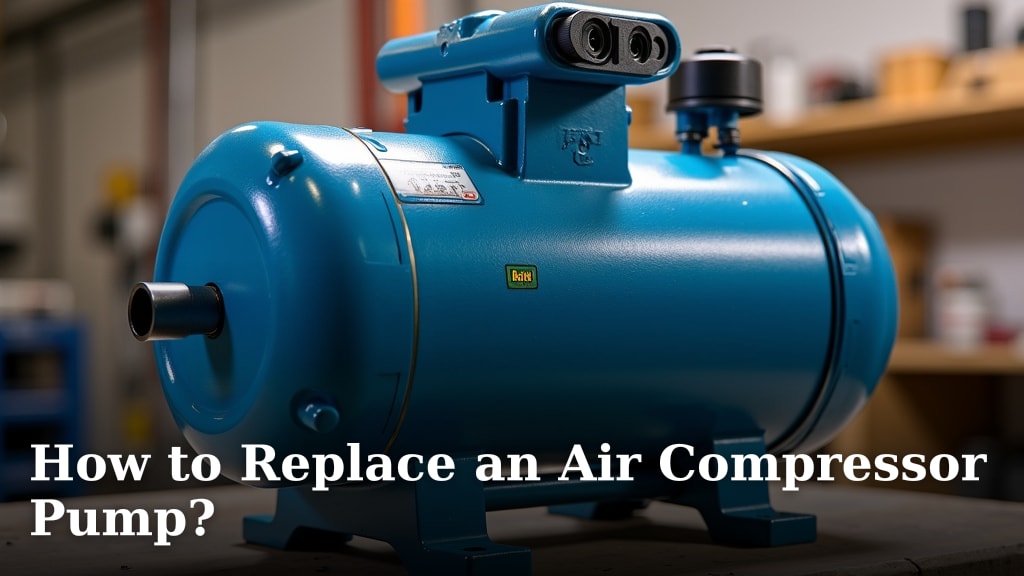
If the pump itself is damaged, How to Replace an Air Compressor Pump? covers that separate repair. Belt-driven units may also need a belt check; see How to Replace an Air Compressor Belt?.
Do oils help with a capacitor problem?
No compressor oil will test or repair an electrical capacitor. The oils below are relevant only if your compressor’s manual calls for lubricating oil during routine maintenance.
The Milton 1002 is a non-detergent ISO 100, SAE 30W oil for reciprocating compressors. Check the Speedaire 1NNF4 manual before choosing oil, since the capacitor diagnosis doesn't tell you what lubricant the pump needs.
TRIAX Kompressor ISO 100 SAE 30 is a synthetic non-detergent compressor oil described for reciprocating, rotary, vane, and screw compressors. Confirm the manual's lubricant requirements before using it in this model.
The quart-size TRIAX Kompressor ISO 100 SAE 30 has the same stated viscosity and compressor types, in a smaller container. It is useful when you need less oil, but it still must match the compressor's specified lubricant.
How should you finish the test?
Reconnect only after the capacitor and wiring are secure and the cover is back in place. Use the compressor manual’s restart procedure, and keep clear of moving parts.
If the capacitor failed, use the correct replacement specified for the unit. Match the electrical and capacitance requirements, terminal arrangement, and any other ratings in the service documentation; don't choose a part by appearance alone.
If the compressor still trips, hums, or fails to start, switch it off and have the electrical system diagnosed. For the next step, use How To Test Air Compressor Capacitor? for a general capacitor-check overview, or How To Test A Air Compressor? for broader compressor checks.
When you need to diagnose a Speedaire 1NNF4 compressor capacitor test, trust a correctly measured value against the component label and service information. Stop and get qualified help if you can't isolate power, verify discharge, or interpret the result safely.
Frequently asked questions
How do you test a Speedaire 1NNF4 compressor capacitor?
Disconnect and lock out power, confirm the capacitor is discharged with an appropriate meter, then isolate one lead and measure capacitance. Compare the reading with the microfarad range printed on the capacitor and the compressor service information.
If the label is unreadable or you can't verify safe discharge, stop and contact a qualified technician.
Can a multimeter test an air compressor capacitor?
A multimeter can test capacitance only if it has a capacitance mode with a suitable range. Remove power, verify discharge, disconnect one lead, and measure across the terminals as the meter instructions direct.
A resistance-only reading may reveal an open or short, but it doesn't confirm capacitance is within specification.
What does a bad compressor capacitor look like?
A swollen case, leaking material, burn marks, or a damaged terminal can indicate a failed capacitor, but appearance alone can't confirm its condition. A capacitor can also look normal and test outside its marked capacitance range.
Keep power disconnected and have a qualified technician diagnose it if the result is unclear.
Is it safe to touch an air compressor capacitor after unplugging it?
No. A capacitor can retain a dangerous charge after the compressor is unplugged.
Don't touch its terminals or try to discharge it with a screwdriver.
Use an appropriate meter and the manufacturer's procedure, or have a qualified technician handle the test if you lack the tools or training.