
Can An Air Compressor Be Repaired?
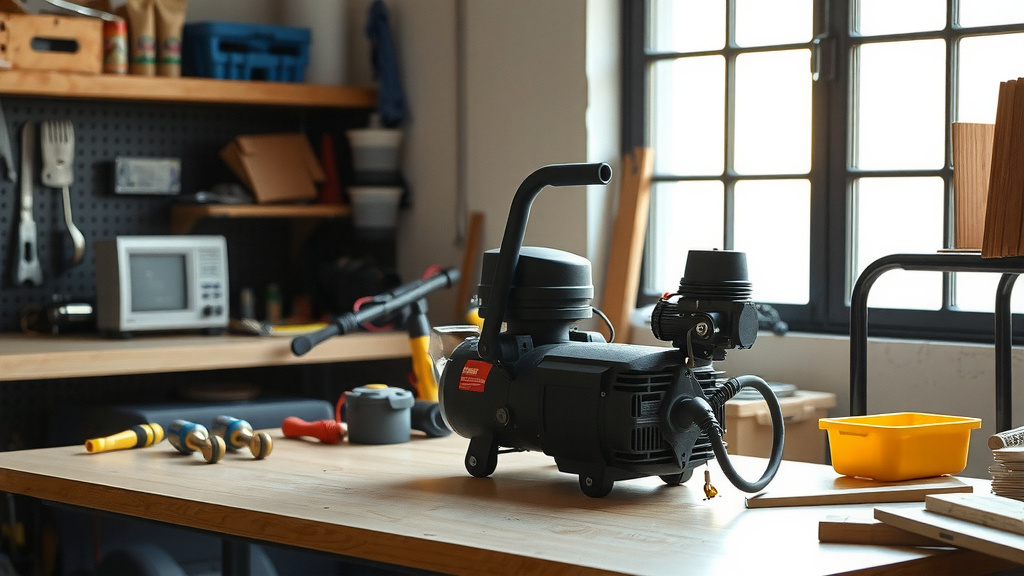
Yes, an air compressor can often be repaired, and it is a common practice that can save you money and extend the life of your equipment.
Many common air compressor problems, from simple air leaks to motor issues, are fixable with the right tools and knowledge.
- Repairing your air compressor is often a more cost-effective choice than buying a new one.
- You can fix many common issues yourself with basic tools and a little guidance.
- Knowing when to DIY and when to call a professional is key for safety and success.
- Preventative maintenance is the best way to avoid major breakdowns in the first place.
- Sometimes, though, an old compressor might be beyond economical repair, making replacement a better option.
Can An Air Compressor Be Repaired?
Absolutely, yes! Most air compressors are designed with repair in mind. Think of it like your car; you don’t buy a new one every time the battery dies or a tire goes flat, right? Air compressors are similar. Many of their components are replaceable.
You can often get your trusty machine back up and running with a bit of troubleshooting. This approach can save you significant money. Plus, it is better for the environment by reducing waste.
Why Repair Your Air Compressor?
Repairing often makes good sense. We found that opting for repairs can significantly extend your compressor’s lifespan. This is especially true for higher-quality or industrial units.
It also costs less than buying a brand-new unit. Think about the components. Many parts are sold separately. This means you only replace what’s broken.
When Should You Call a Pro for Help?
While DIY is great, some problems need an expert. If you are dealing with complex electrical issues, it is wise to seek professional help. Similarly, internal motor repairs or tank integrity checks are best left to those with specialized training and equipment (OSHA guidelines).
Your safety is the top priority. If you feel unsure or out of your depth, a qualified technician can diagnose and fix the problem safely.
Common Problems You Might Face with Air Compressors
Air compressors are robust machines. However, they can develop a few common ailments over time. Recognizing these issues early helps you address them quickly. Let’s look at some typical scenarios you might encounter.
Loss of Power or Pressure
Has your compressor started to lose its punch? This is a frequent complaint. A drop in power often means it cannot build or maintain pressure.
Causes can range from a simple air leak to a worn-out piston ring. You might also find issues with a failing check valve.
Persistent Air Leaks
Ever hear a faint hiss when your compressor is off? Air leaks are sneaky little power drains. They make your compressor work harder and run longer.
Leaks can happen at fittings, hoses, or even the tank drain valve. Finding them early saves energy and prevents component wear.
Motor Issues
The motor is the heart of your compressor. If it’s struggling, that’s a serious sign. You might notice it getting excessively hot or failing to start.
Overheating could point to low oil (for oil-lubed models) or a failing capacitor. Sometimes, it’s just a dirty air filter restricting airflow, making the motor strain.
Pressure Switch Problems
The pressure switch tells your compressor when to start and stop. If it malfunctions, your compressor might run constantly or not at all.
This component is relatively inexpensive to replace. However, it can cause major operational headaches if ignored. Always check this if your compressor isn’t cycling correctly.
Excessive or Unusual Noise
Has your compressor started sounding like a rock concert? A sudden increase in noise is usually a red flag. It could be a loose component or worn bearings.
Sometimes, simply tightening a bolt can resolve the issue. Other times, it might point to more serious internal wear. Pay attention to new rattles or grinding sounds.
Rust in the Air Tank
This is a silent killer for air compressors. Condensation builds up inside the tank. Over time, this can lead to rust if not drained regularly.
Rust weakens the tank walls. This creates a dangerous situation. Many experts say a severely rusted tank should always be replaced (Compressed Air & Gas Institute).
Basic Tools for DIY Repairs
Before you dive into repairs, gather some essential tools. Having the right equipment makes the job safer and easier. Here is a quick checklist:
- Wrenches and sockets (metric and standard)
- Screwdrivers (flathead and Phillips)
- Pliers (needle-nose and slip-joint)
- Teflon tape (for sealing threads)
- Leak detection spray (soapy water works too!)
- Gloves and safety glasses
Safety First: Always!
Working with air compressors demands caution. Always unplug the unit from its power source before touching anything. This is not optional. Depressurize the tank completely before performing any work.
Wear appropriate safety gear. This includes safety glasses and gloves. Compressed air can be dangerous. Think of it like working with any powerful machine; respect its potential.
Simple Fixes You Can Try (And When To Stop)
Many air compressor problems have straightforward solutions. You can often tackle these yourself. Remember, if a fix feels beyond your skill, it is always okay to seek help.
Checking for Leaks
Finding air leaks is easy! Just mix some dish soap with water in a spray bottle. Spray this solution on all fittings, hoses, and valves. Bubbles will form where air is escaping.
Once you find a leak, try tightening the connection. If that fails, you might need new Teflon tape or a replacement fitting.
Draining the Tank Regularly
This is less of a fix and more of a vital maintenance step. However, neglecting it can lead to major issues. Drain the tank after every use, or at least weekly. This removes moisture and prevents rust.
Simply open the drain cock at the bottom of the tank. Let all the water and air escape until it’s fully depressurized. It’s a small task with big benefits.
Replacing Air Filters
A clogged air filter makes your compressor work harder. It reduces efficiency and can overheat the motor. Check your air filter regularly. If it looks dirty, replace it.
This is an easy, inexpensive fix. It instantly improves your compressor’s performance. Think of it as ensuring your compressor can breathe easily.
Lubrication (for Oil-Lubed Models)
If you have an oil-lubricated compressor, checking and changing the oil is critical. Low or dirty oil can cause overheating and premature wear of internal parts. Just like your car engine, clean oil keeps things running smoothly.
Consult your owner’s manual for the correct oil type and change intervals. It is a vital step for the compressor’s longevity.
When Is It Time For A New Unit?
Sometimes, even with the best intentions, a repair might not be the smartest choice. How do you know when it is time to throw in the towel?
Consider the age of your compressor. If it is ancient and parts are hard to find, a repair could be a money pit. Compare the repair cost to a new unit’s price. Many experts recommend replacement if repairs exceed 50% of a new unit’s cost.
| Factor | Consider Repair | Consider Replacement |
|---|---|---|
| Cost of Repair | Minor component fixes, readily available parts. | Repair cost approaches price of a new unit. |
| Age of Unit | Newer models still under warranty or recent. | Very old, discontinued model, parts scarce. |
| Tank Condition | No rust or minor surface rust. | Significant internal rust, structural damage. |
| Performance Needs | Meets current power and air delivery needs. | No longer powerful enough for your tasks. |
Finding the Right Repair Parts
Once you diagnose an issue, finding the right replacement part is crucial. Start by checking your compressor’s owner’s manual. It usually lists parts diagrams and numbers.
Many manufacturers offer parts directly. Otherwise, look for reputable online retailers specializing in air compressor components. Always use original equipment manufacturer (OEM) or high-quality aftermarket parts. This ensures proper fit and function.
Preventative Maintenance Tips for Your Air Compressor
An ounce of prevention is worth a pound of cure, right? This holds true for air compressors. Regular maintenance can save you from costly repairs and unexpected downtime.
- Drain the air tank daily or weekly: This removes corrosive moisture and prevents rust from forming.
- Check oil levels regularly: For oil-lubricated models, ensure oil is at the proper level and change it as recommended.
- Inspect air filters frequently: Clean or replace dirty filters to maintain airflow and protect the motor.
- Tighten fittings and hoses: Periodically check for loose connections that could lead to air leaks.
- Listen for unusual noises: Strange sounds can be early warnings of developing problems.
- Keep the compressor clean: Dust and debris can clog vents and cause overheating.
Conclusion
So, can an air compressor be repaired? Yes, most definitely! With a little knowledge and care, you can often bring your machine back to life. From simple air leaks to filter changes, many fixes are well within your reach.
However, knowing when to call a professional or even replace the unit is equally important. Always prioritize safety and consider the long-term cost. By understanding your compressor and performing regular maintenance, you’ll keep it humming along for years to come.
FAQs About Air Compressor Repair
Is it cheaper to repair or replace an air compressor?
Generally, repairing a specific component is cheaper than buying a whole new unit, especially for newer or high-quality compressors. However, if the repair cost exceeds half the price of a new compressor, or if multiple major components are failing, replacement might be more economical in the long run.
How long do air compressors typically last?
The lifespan of an air compressor varies greatly based on its quality, usage, and maintenance. Well-maintained consumer-grade compressors might last 5-10 years, while industrial-grade units, especially rotary screw compressors, can last 15-20 years or more with proper care and regular servicing.
What are the most common parts that fail on an air compressor?
Common failure points include pressure switches, check valves, air filters, safety valves, and motor capacitors. For oil-lubricated models, piston rings, connecting rods, and crankshaft bearings can wear out over time, especially with inadequate lubrication.
Can I use any type of oil in my air compressor?
No, you should only use the specific type of air compressor oil recommended by the manufacturer. Using motor oil or other lubricants can lead to carbon buildup, reduced performance, and damage to the compressor’s internal components due to differing additive packages and viscosities.
How often should I drain the water from my air compressor tank?
You should drain the water from your air compressor tank after every use, or at least once a week if used regularly. This prevents rust formation inside the tank, which can lead to structural weakening and dangerous tank failure over time. It’s a quick, simple step that protects your investment.
