Can I Bring An Air Compressor On A Plane?
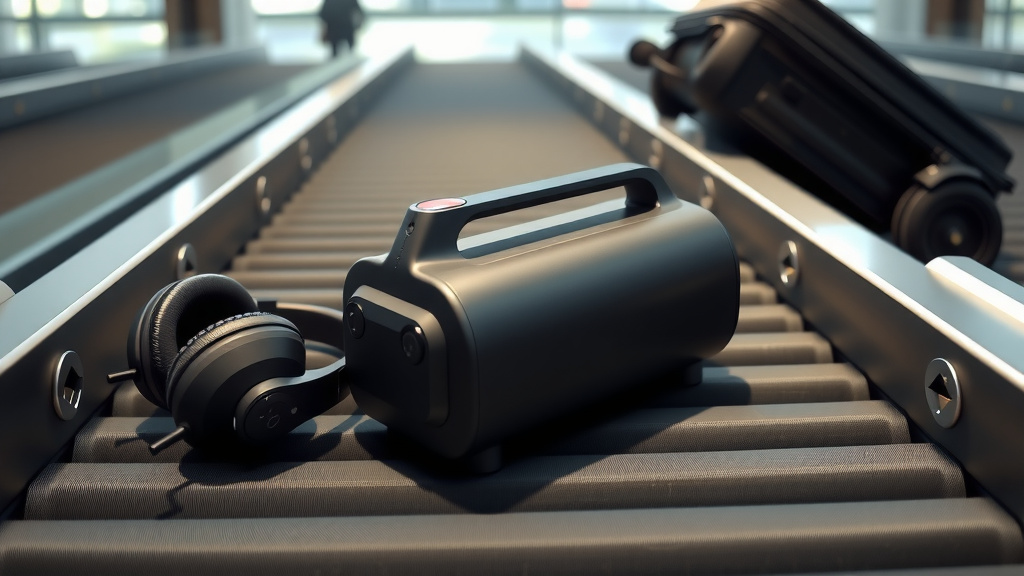
Generally, bringing an air compressor on a plane is restricted due to safety concerns about hazardous materials.
Most airlines and aviation authorities typically prohibit air compressors in both carry-on and checked luggage.
Here’s a quick summary if you’re short on time:
- Air compressors are usually not allowed on commercial flights.
- This rule applies to both carry-on bags and checked luggage.
- Aviation safety rules prevent flammable or pressurized items on board.
- Even small units are often rejected unless they are brand new, completely empty, and fully disassembled.
- Always contact your specific airline and the Transportation Security Administration (TSA) before you travel.
Can I Bring An Air Compressor On A Plane?
The straightforward answer is usually no. Most air compressors are considered hazardous materials and are not permitted on commercial flights.
Why Air Compressors Are Generally Not Allowed on Planes
You might wonder why a simple tool like an air compressor faces such strict rules. It primarily comes down to safety. Planes operate under very specific conditions, and certain items pose a risk.
We found that pressurized containers are a big concern. An air compressor, by its nature, handles air pressure. Even if the tank is empty, it’s designed to hold pressure, which raises red flags for aviation security.
Another major issue is flammability. Many air compressors, especially larger models, use oil. This oil can be flammable. Even oil-free models might have residues or components that security personnel worry about.
The Transportation Security Administration (TSA) and Federal Aviation Administration (FAA) have clear guidelines. These rules are in place to keep everyone safe during flight (TSA). They treat anything with a potential risk with extreme caution.
The Specifics: What Parts Cause Problems?
It’s not just the compressor unit itself. Many components of an air compressor can be problematic. Consider what makes them work.
- Pressure tanks or receivers: These are designed to hold compressed air. Even if empty, their structure is a concern.
- Internal lubrication oils: Many compressors use oil, which is a flammable liquid.
- Fuel or gas engines: Some portable compressors run on gas, making them extremely hazardous.
- Pressure gauges: These might also be considered problematic.
Even small traces of oil or gas can be enough for a rejection. We found that authorities err on the side of caution when it comes to any hint of hazardous materials.
What About Small, Portable, or Oil-Free Compressors?
You might have a tiny airbrush compressor or a small tire inflator. Does the same rule apply to these? Unfortunately, often, yes. The size doesn’t always change the fundamental safety concerns.
For example, even a small unit might still contain a pressurized chamber or have a motor that could spark. The potential for risk, however small, is usually enough to prohibit it.
Some very specific, often battery-operated, completely sealed devices might be allowed. Think small air pumps for sports balls, but these are rare exceptions and not true air compressors for tools.
If you have an oil-free model, it eliminates one major concern. However, the pressure vessel aspect still remains. You’d need to ensure it’s spotless, new, and clearly marked as oil-free.
Can I Disassemble My Compressor?
This is a common question. Some people think taking their compressor apart will solve the problem. While it might reduce some risks, it often creates new ones for security. Many experts say that a disassembled item can be harder to inspect and identify (TSA guidance).
Generally, disassembling your compressor does not make it permissible for flight. The core components, even separated, are often still subject to the same restrictions.
Shipping Your Compressor: A Better Solution?
Instead of trying to bring your air compressor on a plane, shipping it is almost always a safer and more reliable option. This way, you avoid airport security hassles and potential delays.
When you ship, you can use specialized freight services. These services are equipped to handle items that are restricted on commercial flights. They follow different regulations for ground or sea transport.
Consider the cost and time of shipping versus the risk of having your compressor confiscated. Many travelers find that the peace of mind is well worth the shipping fees.
| Method | Pros | Cons |
|---|---|---|
| Bringing on a Plane | No separate shipping cost (if allowed). Immediate access (if allowed). | Almost always prohibited. Risk of confiscation. Security delays. High stress. |
| Shipping via Courier | Generally allowed. Less stress at airport. Item reaches destination. | Added cost. Item arrives later. Requires proper packaging. |
Always Check with Your Airline and TSA
Let’s say you’re still thinking about it. What’s your very next step? Contact your airline directly. Policies can differ slightly between carriers. What one airline might allow (for very specific, rare cases), another might not.
You should also check the Transportation Security Administration (TSA) website. Their “What Can I Bring?” tool is very helpful. Type in “air compressor” and see their official stance. We found that their guidance is the most authoritative.
Remember, the final decision rests with the TSA officer at the checkpoint. Even if you’ve done your research, be prepared for their judgment. They are there to ensure flight safety above all else.
What to Ask When You Call
When you call, be specific. Tell them the type, size, and whether it uses oil or not. Ask about their policy for both carry-on and checked bags. Get the name of the person you spoke with, if possible, for reference.
Practical Checklist Before You Fly (with any tools)
If you plan to travel with other tools or equipment, not necessarily an air compressor, here’s a quick checklist:
- Research the TSA guidelines for each specific tool.
- Check your airline’s baggage policy, especially for checked items.
- Ensure all tools are clean, especially from oil or fuel residue.
- Pack sharp tools securely in checked luggage, never carry-on.
- Consider shipping valuable or bulky tools to avoid airport issues.
- Have copies of receipts or proof of ownership for expensive items.
Alternatives if You Cannot Bring Your Compressor
Don’t fret if you can’t bring your compressor. There are often good alternatives. Think about your destination.
Could you rent a compressor once you arrive? Many hardware stores or equipment rental places offer daily or weekly rentals. This could be a cost-effective choice.
Another idea is to simply purchase a new, inexpensive compressor when you get there. For small jobs, a basic model might do the trick. You could then sell it or donate it before you leave.
Sometimes, the easiest path is not trying to force a square peg into a round hole. Looking for local options can save you a lot of headache and potential disappointment at the airport.
Conclusion
Bringing an air compressor on a plane is generally not permitted due to strict aviation safety regulations. These rules are in place to prevent potential hazards like pressurized containers and flammable materials. While it might be tempting to try, the risks of confiscation and travel delays are very high.
We found that the most reliable course of action is to avoid flying with your air compressor altogether. Shipping it through a dedicated service is almost always the smarter choice. And remember, always double-check with both your airline and the TSA for the most current and specific guidance before your trip.
Can I fly with a completely empty air compressor tank?
Even a completely empty air compressor tank is usually prohibited. The primary concern is that the tank is designed to hold pressure, which raises safety flags for aviation authorities. Residue or internal components can also be an issue.
Are battery-operated tire inflators allowed in carry-on bags?
Small, handheld, battery-operated tire inflators for car or bike tires might be allowed, but it’s a gray area. The battery type and size are key. We found that lithium-ion batteries have strict rules (TSA). Always check with your airline and the TSA about specific battery wattage and carry-on versus checked bag rules.
Do all airlines have the same rules for air compressors?
While the basic safety guidelines from authorities like the TSA and FAA are universal, individual airlines can have slightly stricter policies. It is very important to contact your specific airline to understand their exact rules before you attempt to travel.
What should I do if my air compressor is confiscated at the airport?
If your air compressor is confiscated, unfortunately, you usually cannot get it back. Airport security’s decision is final for safety reasons. You might have the option to ship it back to yourself if time allows and a shipping service is available at the airport, but this is rare. Prepare for the possibility of losing the item.
Can I bring other tools, like a hammer or screwdriver, on a plane?
Most common hand tools like hammers, wrenches, and screwdrivers are allowed in checked luggage. They are generally prohibited in carry-on bags because they could be used as a weapon. Always pack sharp tools or any tool over seven inches long in your checked baggage.