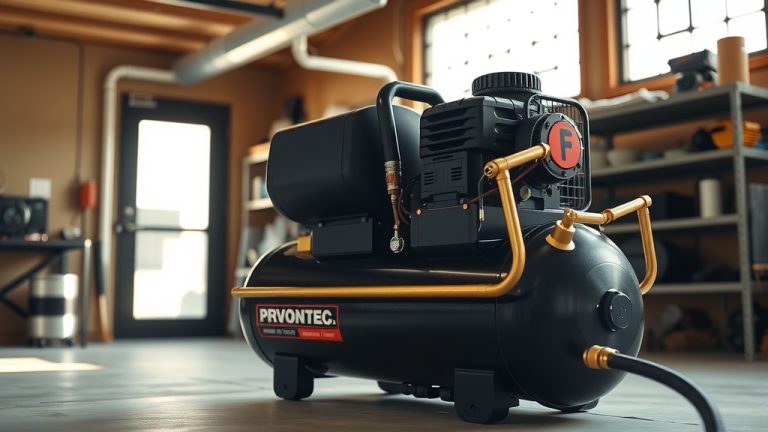
Can I Use 10W30 Synthetic Oil In My Air Compressor?
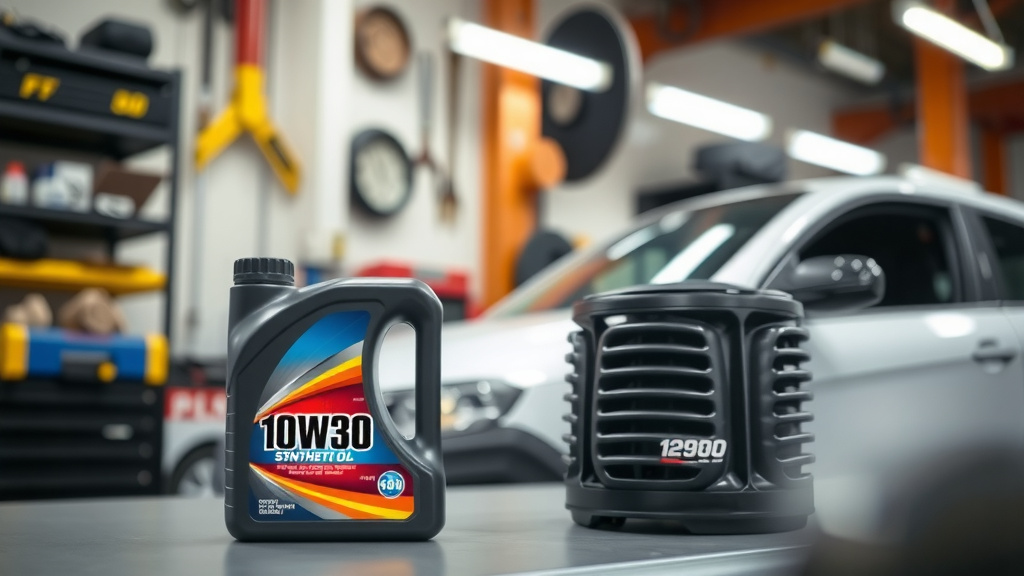
While you *can* technically use 10W30 synthetic oil in your air compressor, it’s generally not recommended for optimal performance and compressor lifespan.
Most air compressor manufacturers strongly advise against using automotive engine oils like 10W30 synthetic oil, preferring specialized compressor lubricants instead.
Here’s a quick summary if you’re short on time:
- Using 10W30 synthetic oil in an air compressor is possible but usually discouraged.
- Dedicated compressor oils are engineered for the unique conditions inside your compressor.
- Automotive oils contain detergents that can harm your compressor over time.
- Always check your compressor’s owner’s manual for the correct oil type.
- Choosing the right oil protects your equipment and prevents costly repairs.
Can I Use 10W30 Synthetic Oil In My Air Compressor?
Generally, using 10W30 synthetic oil in your air compressor is not the best choice for its long-term health. Most manufacturers design their compressors for specific, non-detergent lubricants.
You might be tempted by the convenience or cost of using car oil. However, your air compressor has very different needs than a car engine.
Why Oil Type Really Matters for Your Air Compressor
Think of your compressor’s oil as its lifeblood. It lubricates moving parts, dissipates heat, and prevents rust. The right oil ensures smooth operation and a long life.
Compressors generate a lot of heat and operate under high pressure. This environment demands oil that can handle these stresses without breaking down quickly.
We found that using the wrong oil can lead to serious internal damage (Purdue University research).
The Problem with Automotive Oils Like 10W30 Synthetic
Car engine oils, including 10W30 synthetic, are packed with additives. These are great for engines but problematic for compressors.
For example, automotive oils contain detergents. These detergents clean your engine, which is good, but they create foam inside an air compressor.
Foaming oil doesn’t lubricate effectively. It can also cause air bubbles to get into the system, reducing efficiency and potentially leading to overheating.
Dedicated Compressor Oil vs. 10W30 Synthetic: A Clear Difference
It’s like comparing apples and oranges, even if both are fruit. Compressor oils are formulated for specific tasks.
They are typically non-detergent and designed to resist carbon buildup. They also offer excellent heat stability and rust protection.
Many experts say that using a specialized compressor oil significantly reduces wear and tear on internal components.
Understanding Viscosity: Is 10W30 Right for Compressors?
Viscosity describes an oil’s thickness. 10W30 is a multi-grade oil, meaning it performs well in varying temperatures, common for car engines.
While a multi-grade viscosity might seem helpful, compressor manufacturers often recommend specific ISO or SAE grades. These are tailored to the compressor’s design and operating temperatures.
Using an oil with the wrong viscosity can lead to poor lubrication or excessive drag, both bad for your compressor.
What Happens If You Use the Wrong Oil?
Imagine trying to run a marathon in flip-flops. You might finish, but you’d be uncomfortable and prone to injury. The same goes for your compressor.
Using 10W30 synthetic oil can cause carbon deposits to form on valves. This reduces efficiency and can eventually block air passages.
Over time, these deposits can lead to costly repairs or even a complete compressor breakdown. Your warranty might also be voided.
Signs of Incorrect Oil Use
- Reduced air output.
- Your compressor runs hotter than usual.
- Unusual noises coming from the pump.
- Excessive oil consumption or leaks.
- Visible carbon buildup around internal parts.
When Might 10W30 Synthetic Be an Option? (Rarely)
In a true emergency, if you have absolutely no other suitable oil, a tiny amount of 10W30 synthetic might get you through for a very short period. But this is a last resort.
You should drain and replace it with the correct compressor oil as soon as possible. This temporary fix comes with risks.
Think of it as putting a band-aid on a broken bone. It’s not a long-term solution.
Checking Your Compressor Manual: Your Best Guide
Your air compressor’s owner’s manual is your ultimate authority. It contains the manufacturer’s specific oil recommendations.
This information is there for a reason. It ensures your equipment runs as intended and lasts for years.
Manufacturers know their machines best, so trust their guidance on oil type and change intervals.
Oil Compatibility Checklist for Your Compressor
Before adding any oil, quickly go through these points:
- Does your manual specify a non-detergent oil?
- Is the oil specifically labeled “Air Compressor Oil”?
- Does the viscosity (e.g., ISO 46, SAE 30) match the manual’s recommendation?
- Is the oil type (mineral, synthetic, semi-synthetic) consistent with what’s recommended?
- Are you avoiding automotive engine oils entirely?
Comparing Oil Types: 10W30 Synthetic vs. Compressor Oil
Let’s look at a simple comparison to highlight the key differences you need to remember.
| Feature | 10W30 Synthetic | Dedicated Compressor Oil |
|---|---|---|
| Primary Purpose | Automotive engine lubrication | Air compressor lubrication |
| Detergents & Dispersants | Yes (cleans engine sludge) | No (prevents foaming, carbon) |
| Carbon Resistance | Lower (designed for combustion) | Higher (designed for air compression) |
| Foaming Tendency | Higher (due to additives) | Lower (specific anti-foam agents) |
| Oxidation Stability | Good for engines | Optimized for compressor heat |
Maintenance Tips for Compressor Oil Health
Just like any machine, your air compressor needs routine care. Regular oil changes are vital for its longevity.
Follow your manual’s recommendations for oil change intervals. Dirty or old oil loses its protective qualities.
Always drain old oil completely before adding fresh, correct oil. This prevents contamination and ensures peak performance.
Conclusion
While the thought of using readily available 10W30 synthetic oil might be appealing, your air compressor deserves better. Choosing the right, specialized compressor oil is a small decision that makes a big impact.
It protects your investment, maintains efficiency, and avoids headaches down the road. Trust your manufacturer’s recommendations and choose wisely.
Frequently Asked Questions
How often should I change the oil in my air compressor?
The oil change interval depends heavily on your compressor’s model and how often you use it. Always check your owner’s manual for precise recommendations. Heavy usage often requires more frequent changes.
Can I mix different types of air compressor oil?
Mixing different types of air compressor oil is generally not a good idea. Different oil formulations can react poorly with each other, leading to foaming, sludge, or reduced lubrication effectiveness. Stick to one type of recommended oil.
What if my compressor manual recommends a specific brand of oil?
If your manual recommends a specific brand, it’s a good idea to use it. However, if that brand is unavailable, you can often use a generic compressor oil with the exact same specifications (viscosity, type, non-detergent) as listed in your manual. Always match the specs, not just the brand.
Is synthetic compressor oil better than mineral oil?
Synthetic compressor oils often offer superior performance in terms of heat stability, lifespan, and resistance to carbon buildup compared to mineral oils. They typically allow for longer oil change intervals. However, always ensure it’s the correct type of synthetic oil for compressors, not automotive synthetic.
Will using the wrong oil void my air compressor’s warranty?
Yes, using an oil not specified or approved by the manufacturer can absolutely void your air compressor’s warranty. Manufacturers often include this clause in their warranty terms because improper oil can lead to premature wear and failure of components.