
Can I Use 15W40 In My Air Compressor?
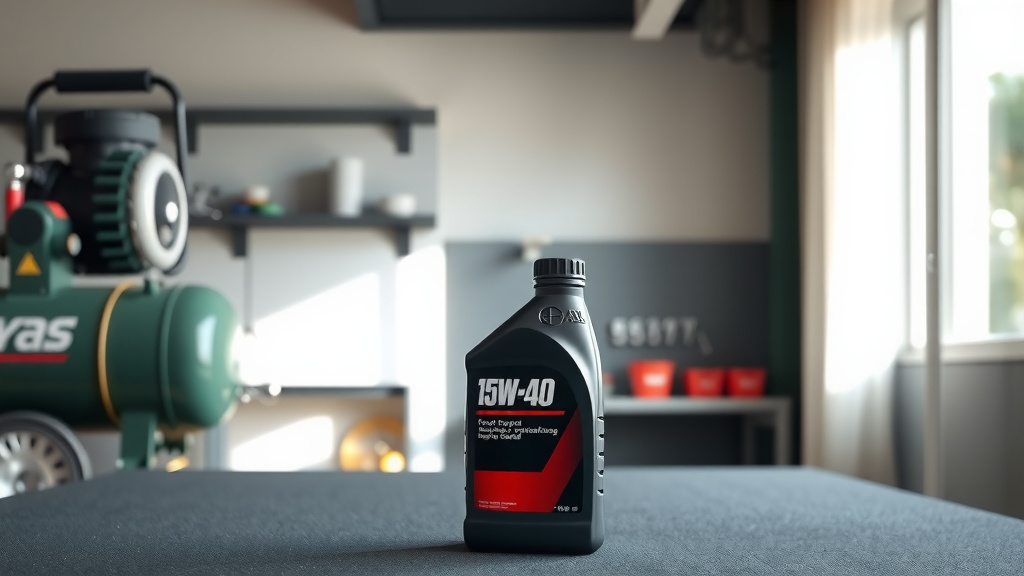
Using 15W40 oil in your air compressor is generally not recommended for most standard air compressor types, as it’s primarily designed for high-heat, internal combustion engines.
Always check your air compressor’s owner’s manual first; using the wrong oil can damage your compressor and void its warranty.
Here’s a quick overview of what you’ll find in this guide:
- 15W40 oil isn’t ideal for most air compressors.
- Specific air compressor oil works best.
- Using engine oil can cause problems.
- Your owner’s manual is your best friend.
- Proper oil selection saves money and trouble.
Can I Use 15W40 In My Air Compressor?
No, you generally should not use 15W40 oil in your air compressor. Compressor oil and engine oil have very different purposes and formulations.
Understanding the Oil Difference
Think of it like this: you wouldn’t put diesel in a gasoline car, right? Oils might look the same, but their chemical makeup is quite unique. Engine oil is for engines, and compressor oil is for compressors.
Why 15W40 Isn’t a Match
15W40 is a multi-viscosity motor oil. It contains detergents and other additives designed to clean engine parts and handle combustion byproducts. These aren’t needed, and can even be harmful, in an air compressor’s sealed system. We found that detergents can create foam and leave deposits in your compressor (Pneumatic Systems Research).
The Right Choice: Air Compressor Oil
Air compressor oil is a non-detergent, single-viscosity oil. It’s built to lubricate, cool, and seal compressor components without unwanted side effects. Many experts say that specific compressor oil handles heat better and lasts longer in this type of equipment.
Why Compressor Oil Stands Out
Compressor oil resists carbon buildup and sludge. It offers superior wear protection for valves and cylinders. Plus, it has anti-foaming agents and rust inhibitors. We found that these properties keep your compressor running clean and efficient (Industrial Lubrication Standards).
Risks of Using the Wrong Oil
What happens if you use 15W40? You’re setting yourself up for potential headaches. The wrong oil can hurt your machine and your wallet. Let’s look at some common issues.
- Carbon Buildup: Detergents in 15W40 can break down under compressor heat, creating sticky carbon deposits.
- Foaming: These deposits and detergents can cause the oil to foam. Foam doesn’t lubricate well.
- Reduced Efficiency: Poor lubrication makes your compressor work harder. This uses more energy.
- Overheating: Inadequate cooling from the wrong oil can cause your compressor to run too hot.
- Component Damage: Over time, valves, piston rings, and other parts can wear out faster.
- Warranty Void: Manufacturers often state that using non-specified oil will void your warranty.
Checking Your Owner’s Manual
Your owner’s manual is truly the ultimate guide. It lists the exact type and viscosity of oil your compressor needs. Always refer to this document first before adding any fluid. If you can’t find it, check the manufacturer’s website or contact their support. This small step saves major trouble.
Types of Air Compressor Oils
You’ll often see two main categories for compressor oil: mineral-based and synthetic. Each has its own benefits.
Mineral-Based Compressor Oils
These are traditional and often more budget-friendly. They work well for many residential and light-duty compressors. They need more frequent changes, as we found their additives break down sooner than synthetics (Compressor Maintenance Guides).
Synthetic Compressor Oils
Synthetic oils offer enhanced performance. They stand up to higher temperatures and last longer between changes. Many industrial applications use synthetic oil for its superior protection and extended life. They typically cost more up front, but can save you time and money long-term.
Here’s a quick comparison of 15W40 engine oil versus proper air compressor oil:
| Feature | 15W40 Engine Oil | Air Compressor Oil |
|---|---|---|
| Primary Use | Internal combustion engines | Air compressors |
| Detergents | Yes, cleans engine parts | No, non-detergent |
| Viscosity | Multi-grade (e.g., 15W40) | Single-grade (e.g., 30W, ISO 100) |
| Foam Control | Limited for compressors | Excellent anti-foaming agents |
| Carbon Buildup | Can cause deposits in compressors | Resists carbon formation |
| Heat Resistance | Designed for engine combustion | Formulated for compressor heat |
When is 15W40 “Okay” (Almost Never)
Some people might mention using 15W40 in a pinch, or for very old, basic splash-lubricated compressors. But is it truly “okay”? We recommend against it. Even in these rare cases, it’s a short-term fix with potential long-term costs. Why take the chance on something so important?
Understanding Viscosity
Viscosity is an oil’s resistance to flow. The numbers on oil (like 15W40) tell you about its viscosity at different temperatures. Compressor manufacturers specify an ISO VG (Viscosity Grade) or a SAE grade like 30W. Matching this grade is very important for correct lubrication (ISO Standards for Lubricants).
Steps to Choosing the Right Compressor Oil
Don’t just guess when it comes to oil. Follow these simple steps for a healthy compressor:
- Consult Your Manual: This is step one, always.
- Identify Oil Type: Is it mineral or synthetic?
- Match Viscosity: Look for the ISO VG or SAE grade.
- Consider Climate: Extreme cold or heat might affect viscosity needs.
- Buy Quality: Invest in a reputable brand of compressor oil.
The Cost of Cutting Corners
It might seem cheaper to use leftover engine oil. But this is a classic example of “penny wise, pound foolish.” A compressor repair or replacement can be very expensive. Proper maintenance extends machine life and saves you money down the road. Is a few dollars saved worth a potential breakdown?
Conclusion
So, can you use 15W40 in your air compressor? The clear answer is no for most models. Engine oils like 15W40 contain additives that are unsuitable for air compressors, leading to poor performance and possible damage. Your compressor needs oil specifically designed for its unique operating conditions. Always follow your manufacturer’s recommendations to keep your equipment running smoothly and efficiently for years to come. It’s a simple choice that makes a big difference.
What kind of oil do air compressors use?
Air compressors typically use specialized, non-detergent air compressor oil. This oil is either mineral-based or synthetic and has specific anti-foaming and anti-corrosion properties designed for compressor environments. Always check your unit’s owner’s manual for the exact specifications.
Can I mix 15W40 with air compressor oil?
No, you should not mix 15W40 engine oil with air compressor oil. Mixing different oil types can lead to unforeseen chemical reactions, sludge formation, and reduced lubrication effectiveness. This can severely damage your compressor components and void your warranty.
How often should I change the oil in my air compressor?
The frequency of oil changes depends on your compressor’s type, usage, and the oil used (mineral vs. synthetic). As a general guide, mineral oils might need changing every 200-500 hours of operation, while synthetics can last 1000-2000 hours. Your owner’s manual will provide precise intervals.
What happens if I put too much oil in my air compressor?
Overfilling your air compressor with oil can cause several problems. It can lead to excessive oil carryover into the air lines, potentially contaminating your tools or finished work. It can also create increased pressure in the crankcase, causing oil leaks or seal damage, and lead to foaming.
Is universal tractor fluid (UTF) suitable for air compressors?
Universal Tractor Fluid (UTF) is designed for hydraulic systems, wet brakes, and transmissions in agricultural equipment. It contains specific additives for these uses. UTF is not formulated for air compressor lubrication and should not be used in place of proper air compressor oil, as it could lead to damage.
